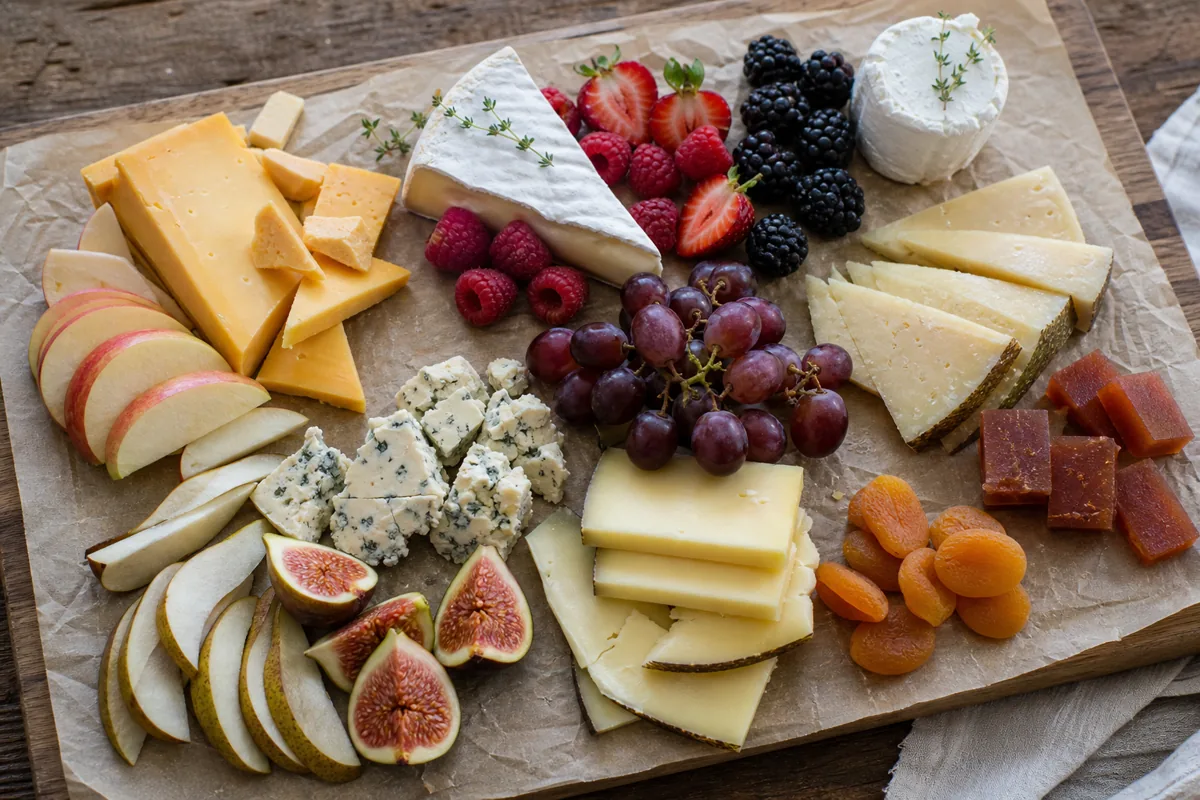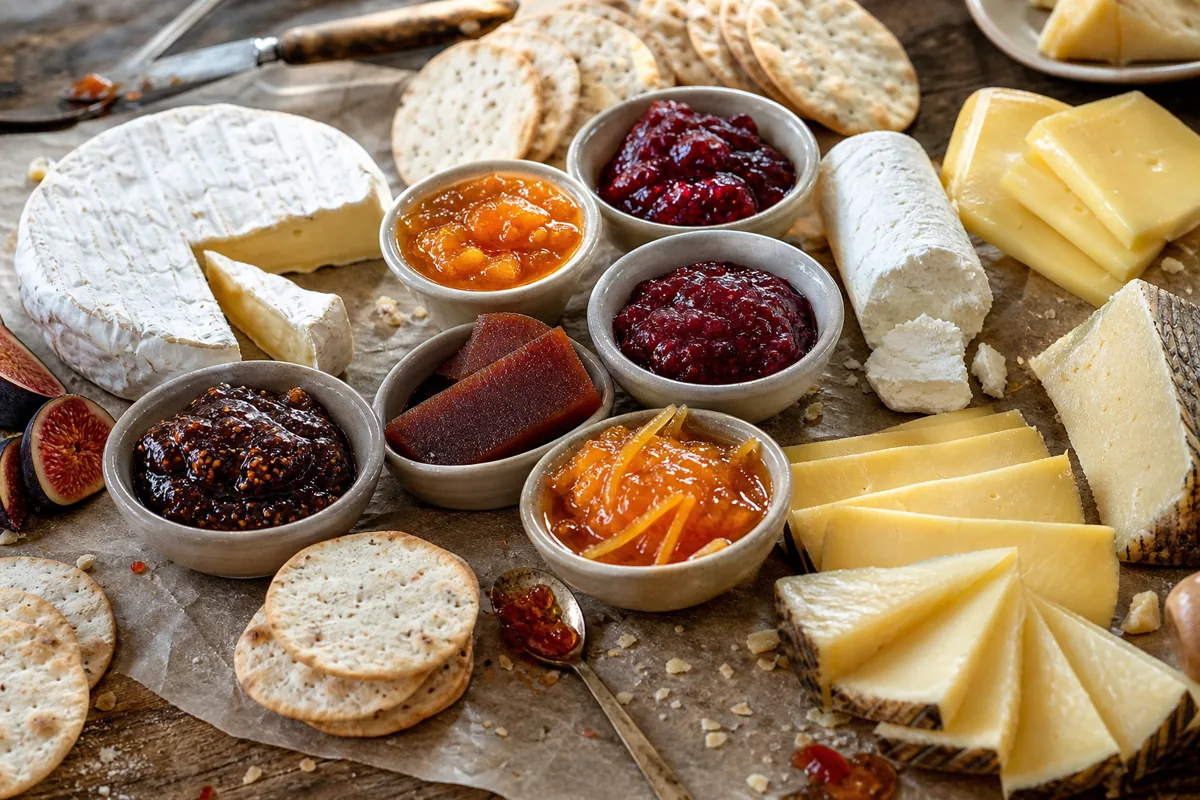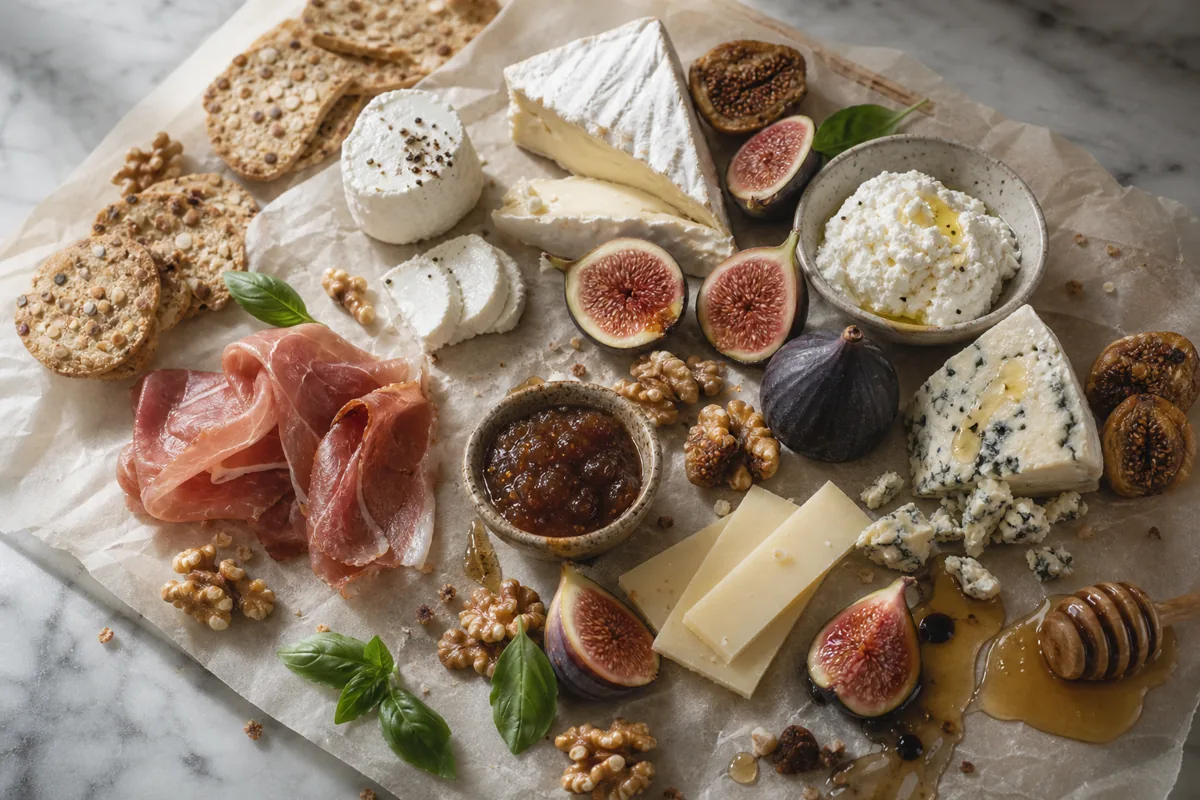
Fresh goat cheese, Brie and blue cheese are good starting points with figs. Goat cheese adds tang, Brie brings a creamy texture, and blue cheese gives a stronger salty contrast to the fruit's sweetness.
The form of the fig changes the bite: fresh figs are juicy, dried figs are chewy, and jam spreads across the cheese. You can use the same cheese with more than one form, then adjust the amount of fruit to suit your taste.
In This Article
What cheese goes with fresh figs, dried figs, or jam?
| Fig form | Cheeses to try | Simple way to serve |
|---|---|---|
| Fresh figs | Fresh goat cheese, Brie, ricotta, or a little blue cheese | Quarter the fruit beside cheese, or place a slice on cheese-topped toast. |
| Dried figs | Blue cheese, cheddar, aged Gouda, or fresh goat cheese | Slice thinly beside a firm wedge, or split a softer dried fig and add a small piece of cheese. |
| Fig jam or preserves | Brie, cheddar, goat cheese, or blue cheese | Spread a little on bread under the cheese, or serve separately with a spoon. |
A ripe fresh fig can stand beside blue cheese, and dried figs can work with mild cheese as well as aged wedges.
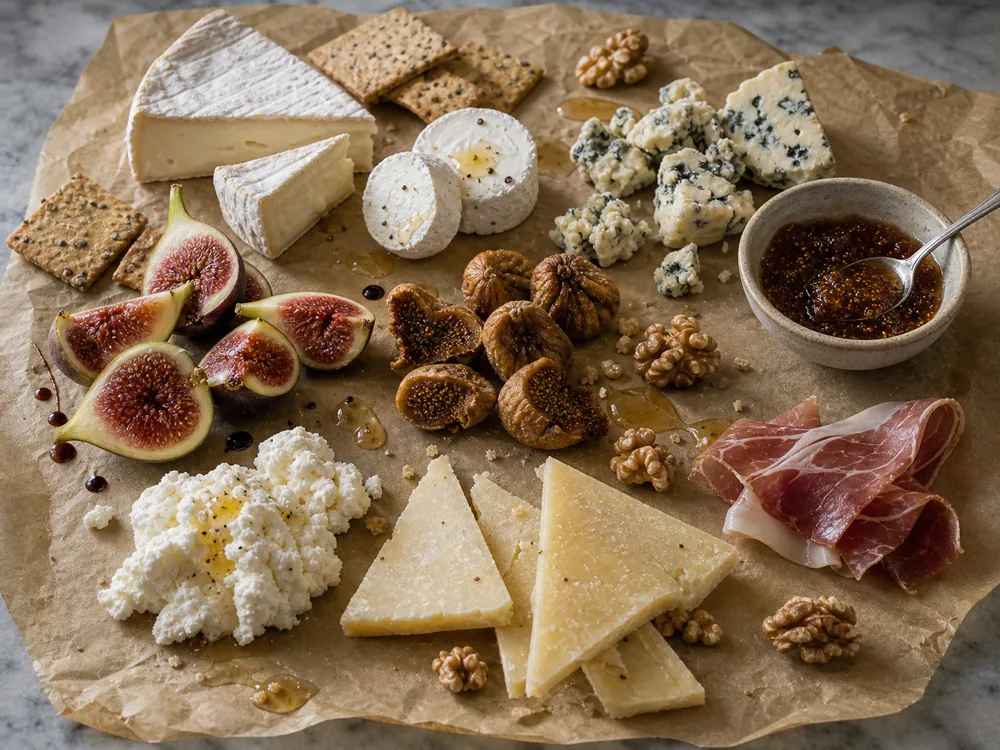
How Should You Pair Cheese with Fresh Figs?
For a light snack, spread ricotta or fresh goat cheese on toast and add sliced figs. Black pepper gives a savory accent without covering the fruit with another sweet ingredient.
With Brie, serve fig quarters beside a small wedge so each bite can include creamy cheese and juicy fruit. Plain bread provides support when both ingredients are soft.
Blue cheese is a useful choice when you prefer a stronger contrast. Start with a small crumble, then increase it if the cheese disappears behind a very sweet fig.
California Figs' own Gorgonzola-stuffed fig recipe accepts either fresh or dried fruit.
That recipe grills the stuffed figs over high heat for about five minutes until lightly charred, which concentrates the fruit's sweetness and firms the skin. The technique works with fresh or dried figs and produces a warm bite that contrasts the cold blue cheese filling.
Which Cheeses Work Best with Dried Figs?
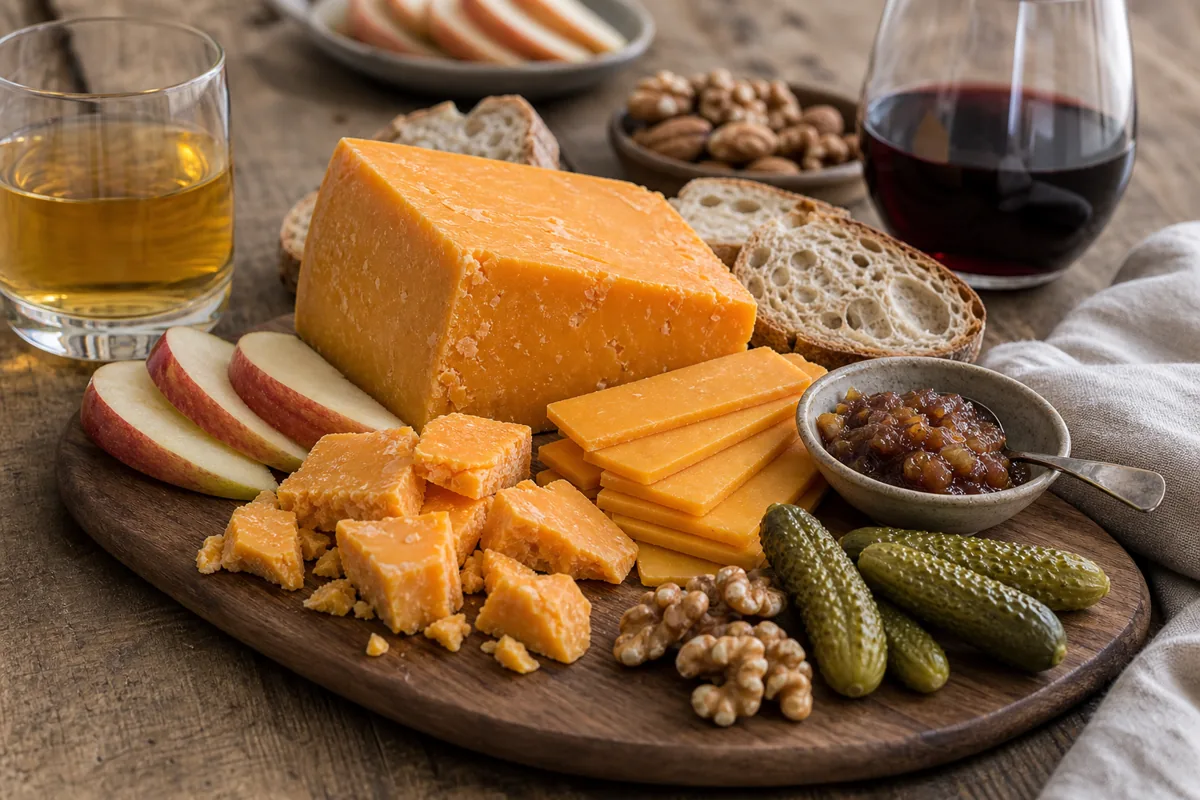
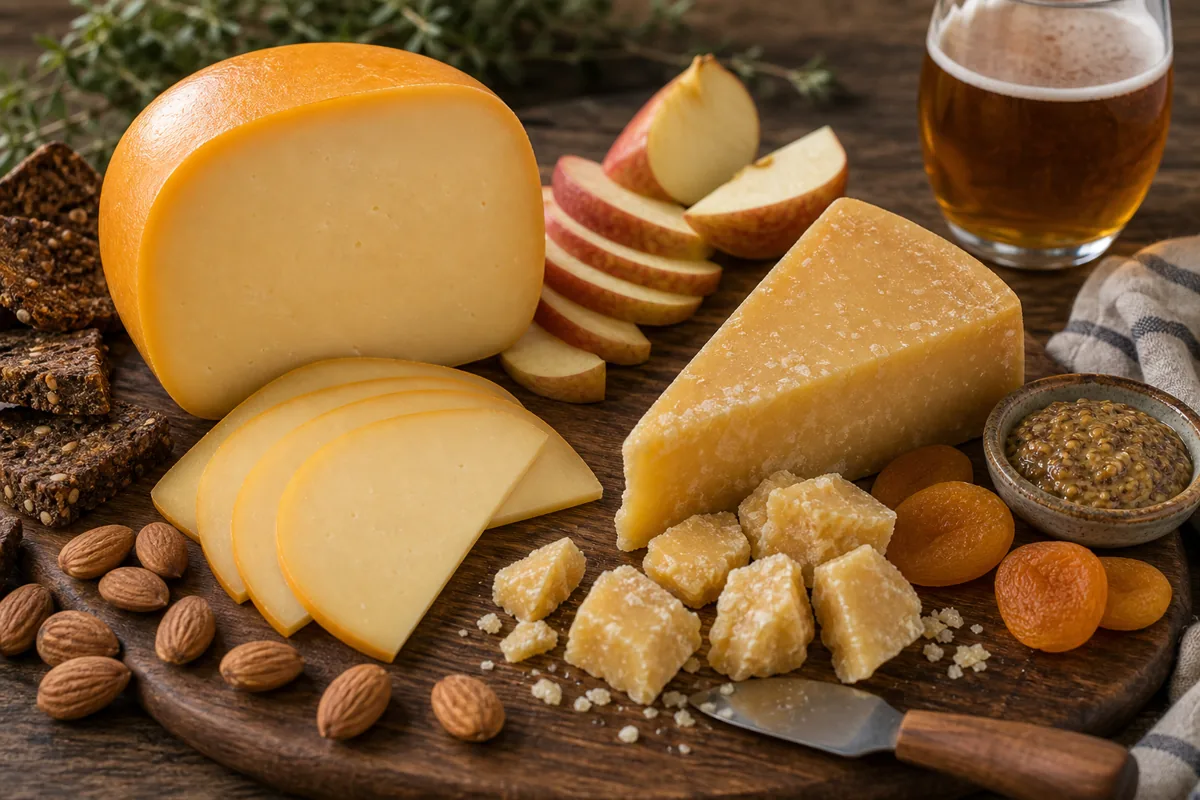
A dried fig makes a compact accompaniment to cheddar or aged Gouda. Thin slices are easier to combine with a firm cheese than a whole chewy fig, especially on a small cracker.
If the dried fruit is soft enough to open, try a little fresh goat cheese inside. Its soft texture contrasts with the fig's skin and seeds, while blue cheese makes a more assertive filling.
Valley Fig Growers includes Brie, goat cheese and blue cheese among its board suggestions. There is no need to buy an especially old or pungent cheese just because your figs are dried.
The grower's board guide names four specific examples: Sierra Nevada Organic Monterey Jack for a smooth, solid slice; Marin French Brie for a rich, buttery wedge; Laura Chenel Goat Chabis for a tangy, crumbly contrast; and Point Reyes Blue Cheese for a punchy, creamy blue. These cover the main texture categories worth pairing on a fig-focused board.
Valley Fig Growers also suggests splitting a soft dried fig and pressing in a small amount of cheese, then topping with a few cacao nibs. The nibs add a slight bitterness that keeps the bite from leaning entirely sweet, which is useful when the dried fig is very sugary.
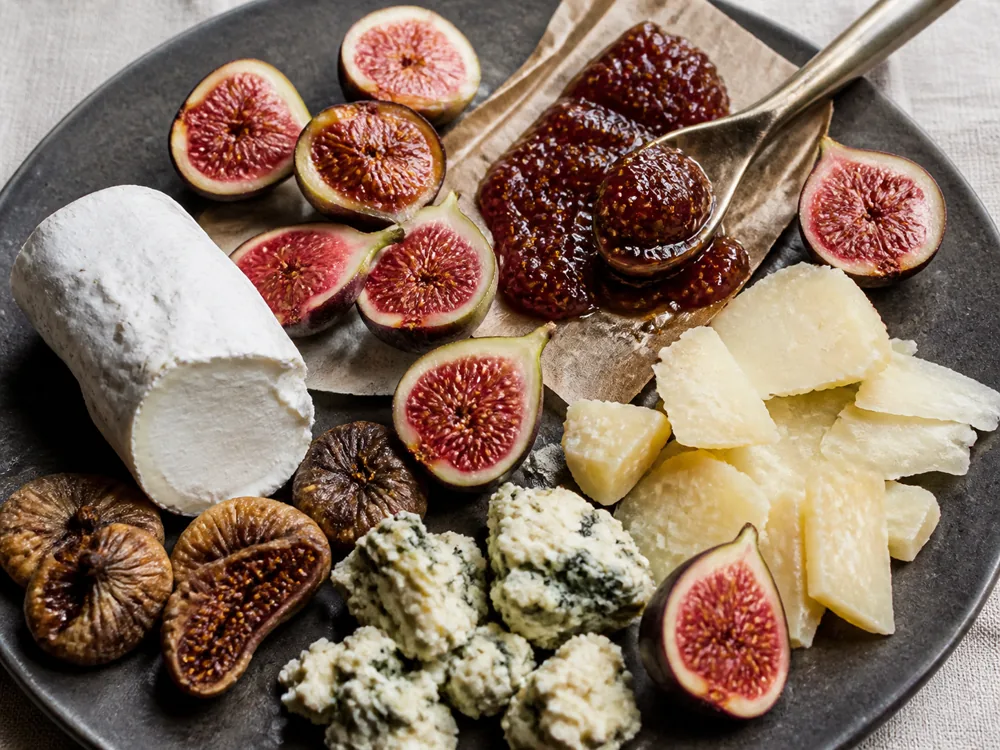
How Do You Use Fig Jam with Cheese?
A thin smear of fig jam works with Brie on bread, cheddar in a sandwich, or goat cheese on a cracker. Keeping the jam in a small dish lets each person choose how sweet to make the bite.
Taste the preserve before adding honey or a sweet balsamic glaze. Some jars contain added sugar, citrus or spices, and a heavily flavored preserve can cover a mild cheese even when the amount looks small.
When the combination tastes too sweet, try less jam first. Plain bread or a firmer, saltier cheese can also change the balance without requiring a different jar.
California figs, whether fresh or dried, contain no added sugars. The sweetness in a commercial fig jam comes from sugar added during processing, so checking the ingredient label tells you whether figs or added sugar leads the list, which affects how sweet the combination will taste beside a mild cheese.
How Do You Choose and Serve Fresh Figs for a Board?
California Figs recommends plump, fragrant fresh fruit that yields gently without feeling mushy. Keep fresh figs refrigerated in a shallow container and wash them just before eating.
The skin and seeds are edible, so just trim off the hard stem and halve or quarter the fruit close to serving.
California Figs advises rejecting any fresh fig that carries a slightly sour smell, which indicates fermentation has already begun. A fig that has collapsed inward and lost its round shape is past its best for a cheese board, though still suitable for cooking.
Fresh figs keep best between 32 and 36 degrees Fahrenheit and last 5 to 7 days under those conditions, with up to two weeks possible in ideal refrigeration. Allowing them to warm at room temperature for 15 to 20 minutes before serving restores the fragrance that cold storage mutes.
One cheese and one form of fig are enough for a small plate. For a larger board, adding a firm wedge beside a soft cheese gives a different texture, while walnuts or plain crackers add crunch.
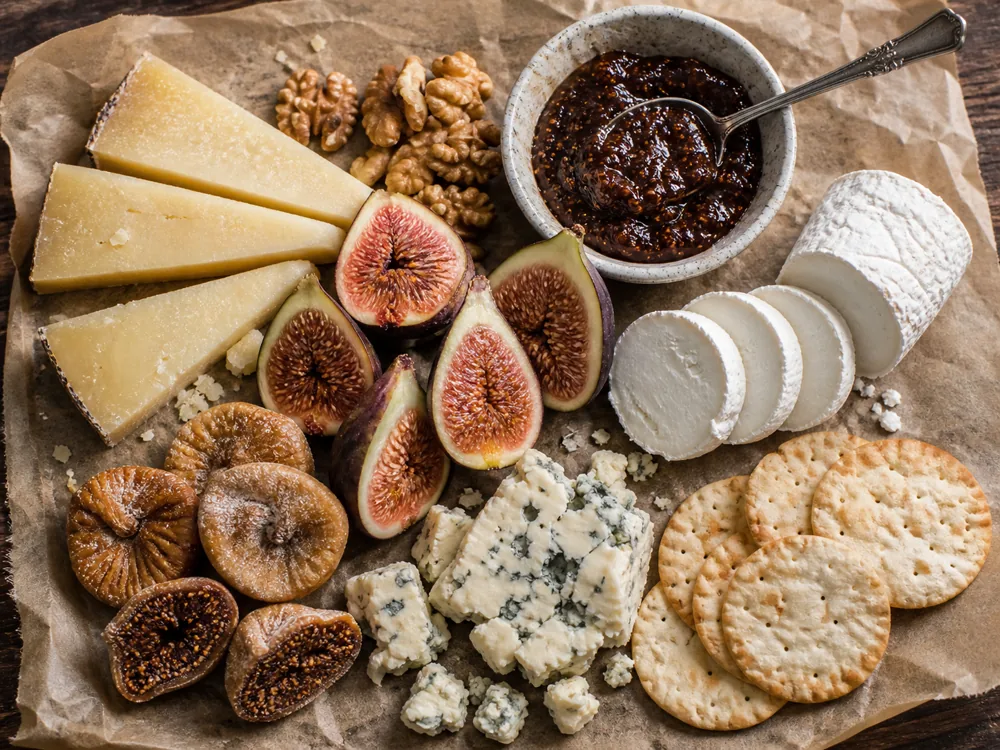
Keep cut figs and jam beside the crackers until people assemble their bites, so the crackers stay crisp. Separate utensils also keep strong blue cheese from spreading onto a milder wedge.
If you are serving a board over a longer gathering, put out smaller portions and replenish from the fridge. Follow the refrigeration and time limits for perishable cheese.