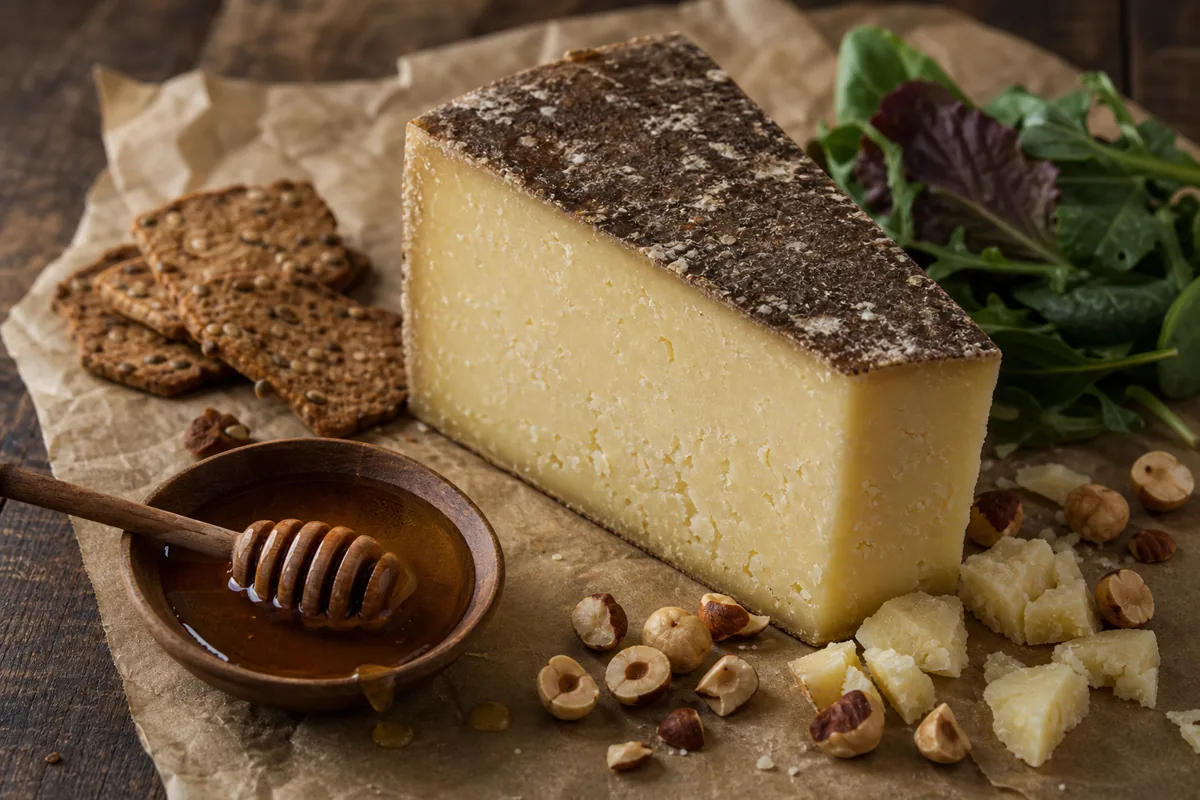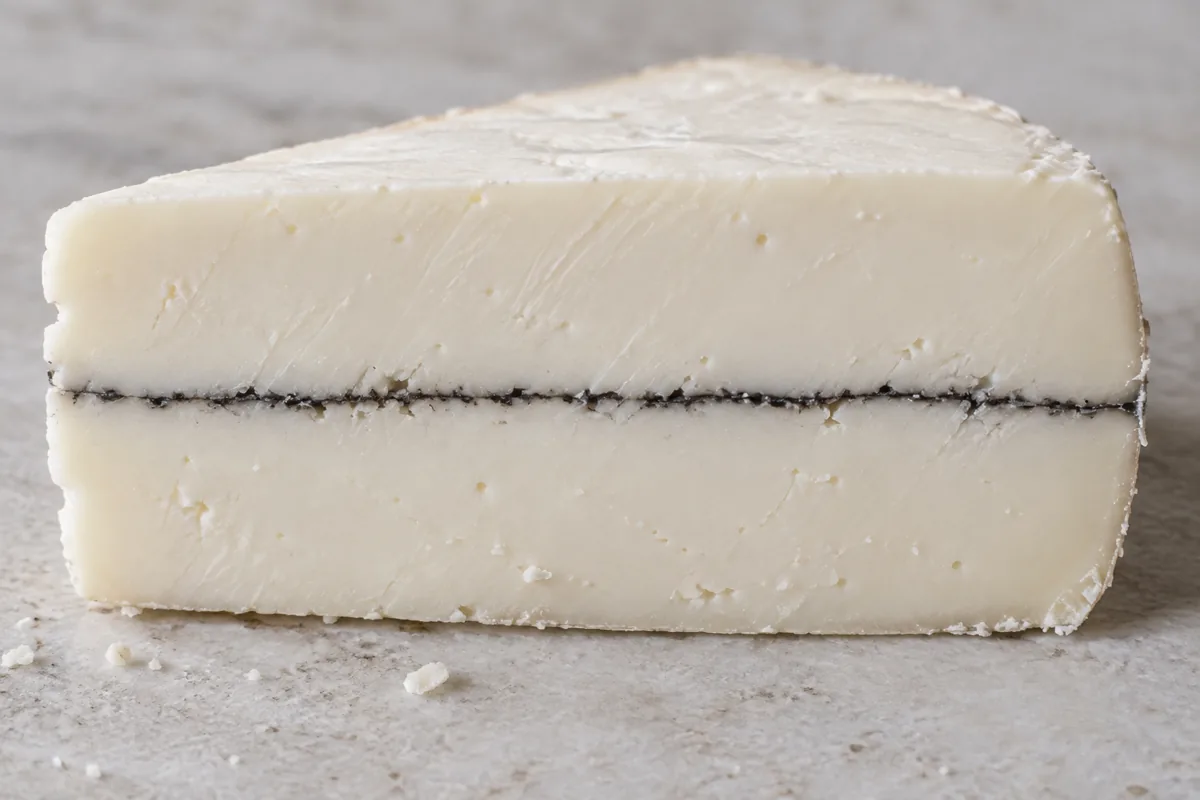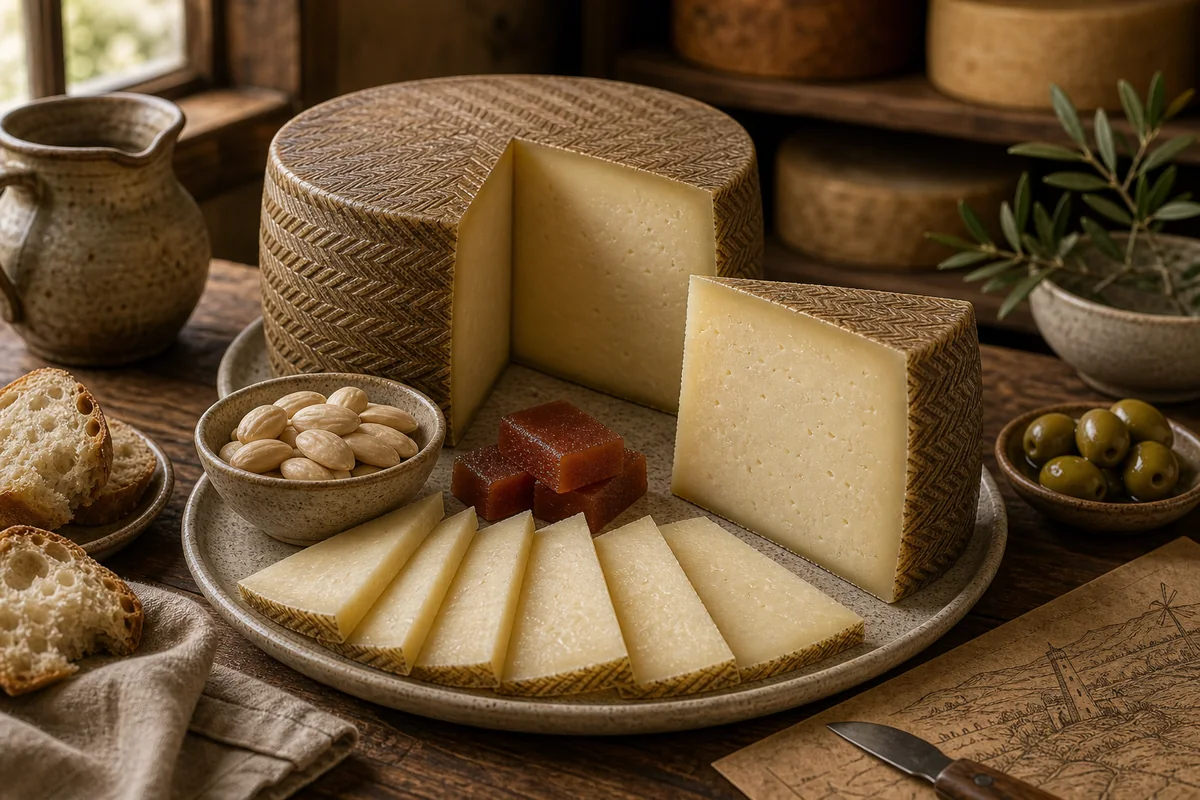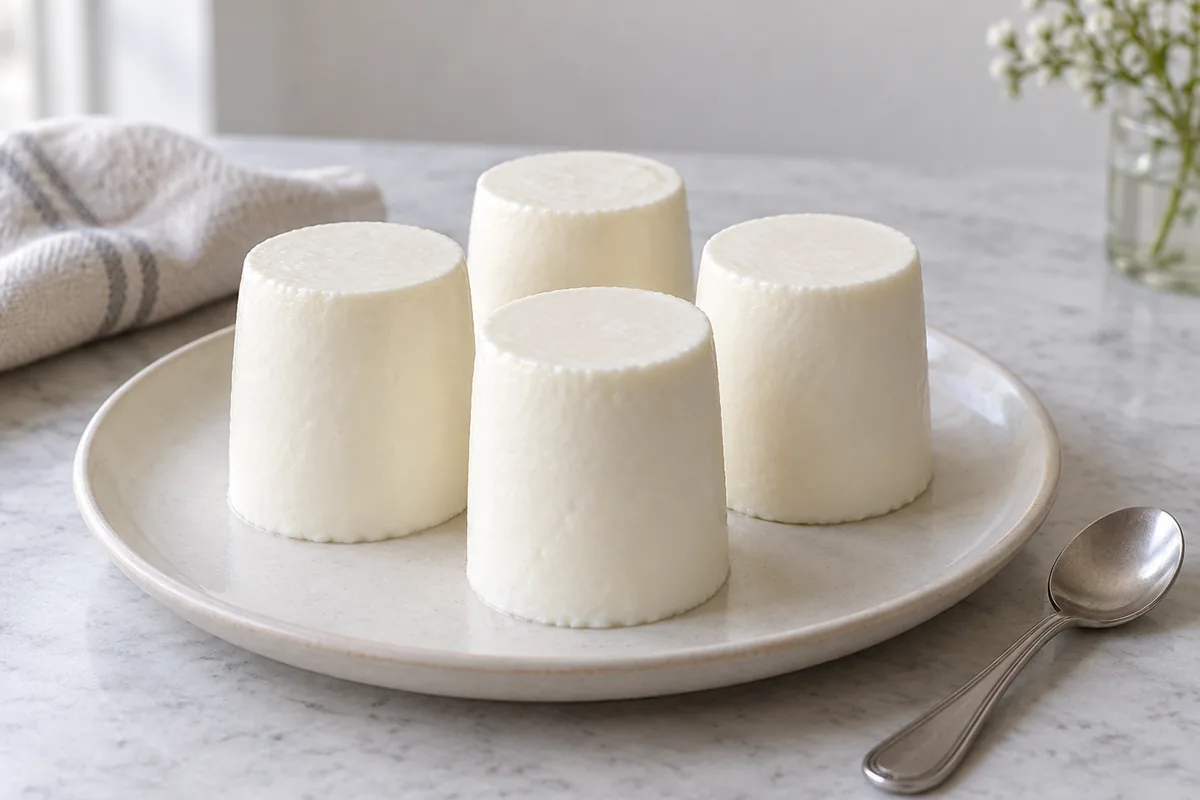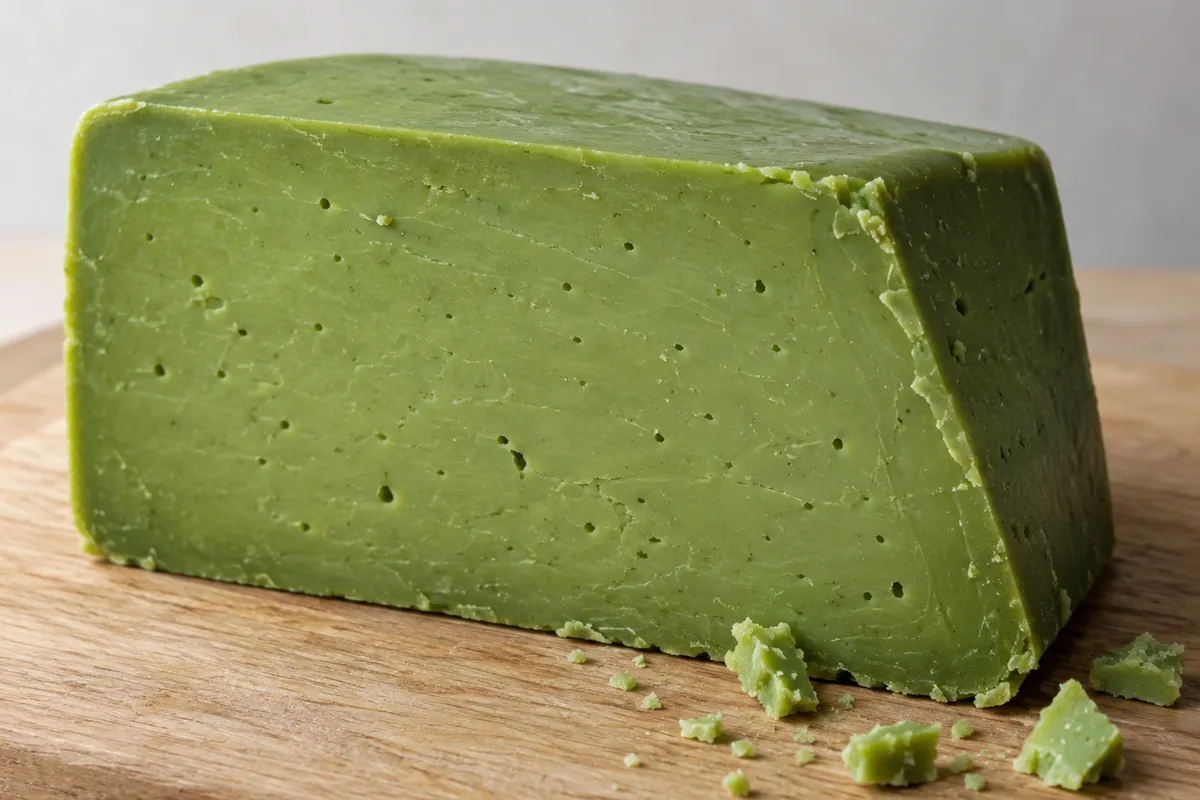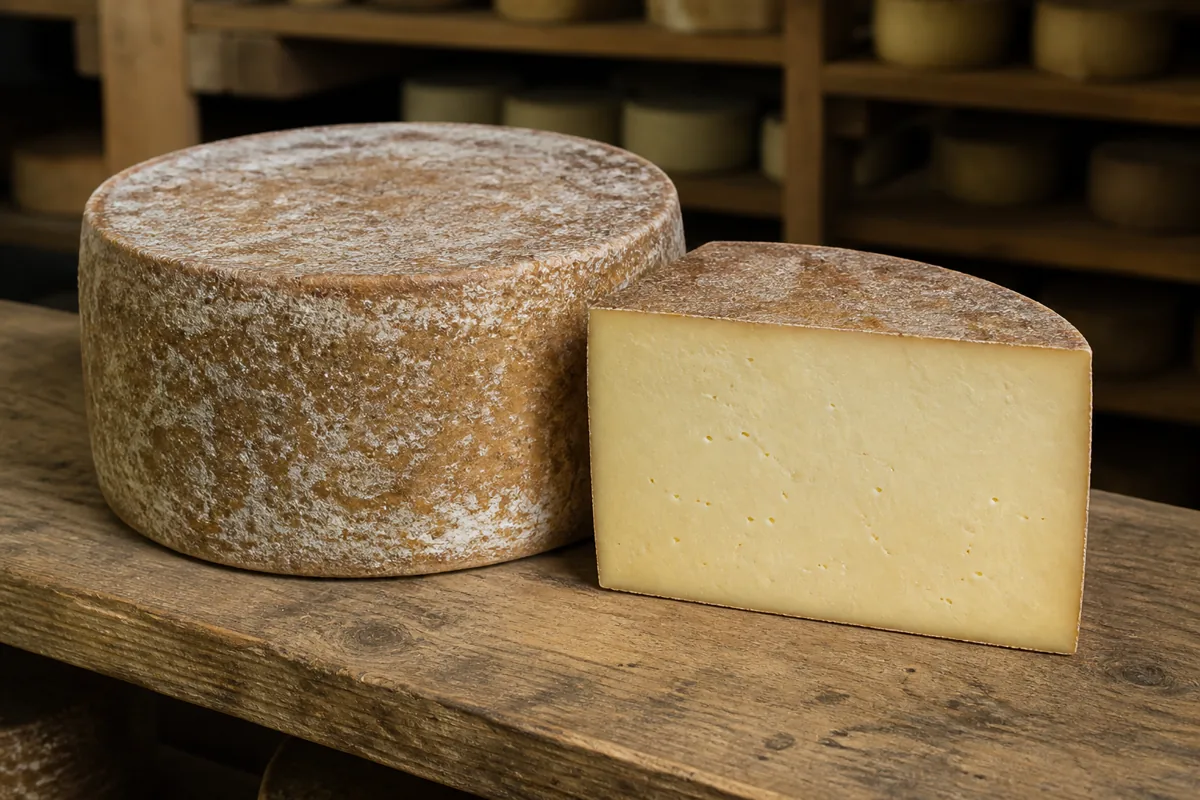
Marisa is a pasteurized sheep's milk cheese made by Carr Valley Cheese in La Valle, Wisconsin, and the name covers four versions: plain, aged, smoked, and cave aged.
The full version name decides what you get: Aged Marisa is listed at six months, and Cave Aged Marisa has a natural rind.
In This Article
Who Makes Marisa and What Goes into It?
Marisa is made by Carr Valley Cheese, a Wisconsin company founded in 1902 and run by fourth-generation cheesemaker Sid Cook, who acquired the facility in 1986. The cheese is made in La Valle with milk from pastured Wisconsin sheep.
Culture calls Carr Valley one of Wisconsin's most traditional cheese plants, famous for its cheddar varieties, with cow's milk from 40 nearby farms behind more than 65 cheeses. Marisa departs from that cow's milk base: its ingredient list reads pasteurized cultured sheep milk, salt, enzymes, and cultures.
Plain Marisa is a seasonal, white cheese. Cheese Reference gives its texture as firm and dense but its type as semi-soft, and Culture calls Cave Aged Marisa firm.
Sid Cook named it for his daughter, Marisa, because its qualities reminded him of her.
Which Marisa Version Should You Buy?
Choose by the full version name, because each age, rind and rennet fact below belongs to one version rather than to Marisa as a whole.
| Version | Age | Rind | Rennet | Given by |
|---|---|---|---|---|
| Marisa | Not stated | Not stated | Listed as vegetarian | Cheese Reference |
| Aged Marisa | Six months | Not stated | Ingredients say only "enzymes" | Wisconsin Cheese Mart |
| Smoked Marisa | Not stated | Not stated | Vegetarian rennet | Wisconsin Cheese Mart |
| Cave Aged Marisa | Three months of cellar maturation before release (Culture); open-air cave aging (Wisconsin Cheese Mart) | Natural | Vegetable rennet (Culture); vegetarian rennet (Wisconsin Cheese Mart) | Culture, Wisconsin Cheese Mart |
The two age figures belong to different versions and do not rank them: six months is for Aged Marisa, and Culture gives Cave Aged Marisa three months of cellar maturation before release, where Wisconsin Cheese Mart describes open-air cave aging.
Cheese Reference lists plain Marisa as vegetarian, and Smoked and Cave Aged Marisa are made with vegetarian rennet, which Culture gives as vegetable rennet for Cave Aged Marisa.
For Aged Marisa, ask the seller which enzymes it uses, because its listing says only "enzymes" in its ingredients.
Wisconsin Cheese Mart's listings give a contest record for each version. Marisa lists second place at the 2025 U.S. Championship Cheese Contest and Best of Class at the 2020 World Championship Cheese Contest, and Aged Marisa second place at the 2010 American Cheese Society competition.
On the same listings, Smoked Marisa lists Best in Class at the 2019 U.S. Championship Cheese Contest, and Cave Aged Marisa first place at the 2012 World Championship Cheese Contest and Super Gold at the 2013 and 2015 U.S. Championship Cheese Contests.
The full version name on the label decides the facts: Aged Marisa for the six-month, strong flavor; Smoked or Cave Aged Marisa for vegetarian rennet; Cave Aged Marisa for the natural rind.
What Does Marisa Taste Like?
Wisconsin Cheese Mart describes plain Marisa as mellow, complex and sweet, and Aged Marisa as strong and complex after six months, with some sheep's milk flavor remaining.
In the same retailer's description, Smoked Marisa, with natural smoke among the ingredients, keeps the mellow, complex, sweet flavor and adds a mild smoky one. For plain Marisa, Cheese Reference adds a pleasant aroma and flavors typical of sheep's milk cheeses.
For a first sheep's milk cheese, Wisconsin Cheese Mart points to plain Marisa, the mellow version, rather than the Aged one it calls strong.
The three descriptions of Cave Aged Marisa all include sweetness. Culture lists sweetness balanced by a slight tang and cream-like, lactic notes, Antonelli's a nutty, slightly sweet flavor with a touch of earthiness, and Wisconsin Cheese Mart "complex, sweet and slightly rambunctious" flavors that it ties to the open-air cave aging.
Antonelli's also says the flavor mirrors Parmesan.
What Does Cave Aged Marisa Look Like?
Culture describes Cave Aged Marisa's natural rind as dark brown and mottled with patches of white mold, over a firm interior the color of pale straw.
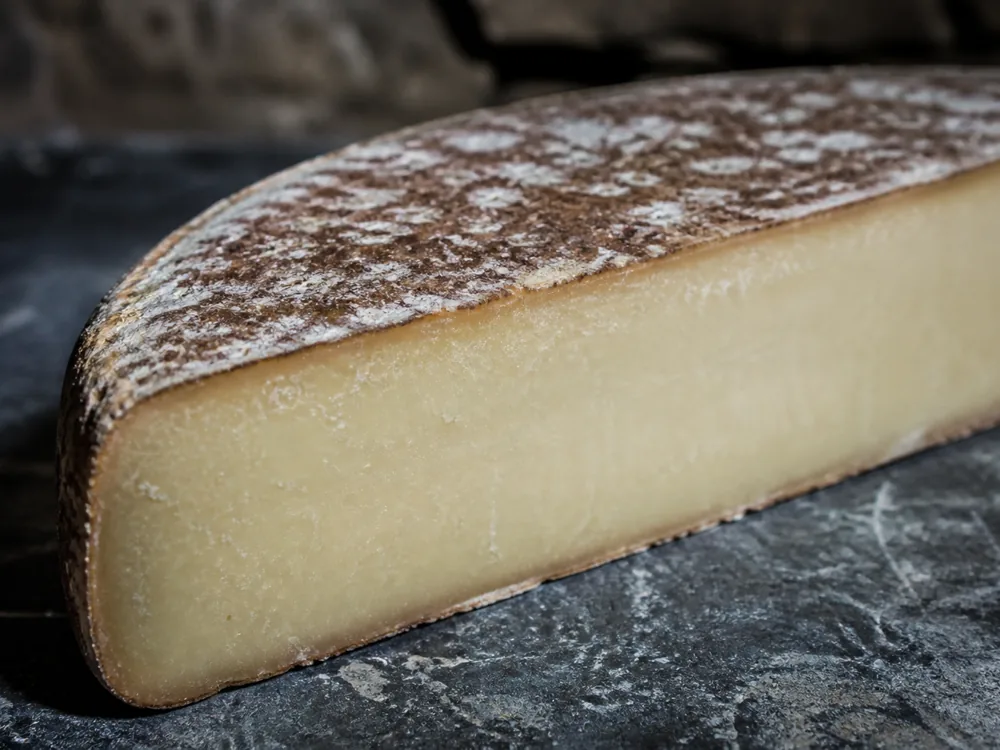
Cave Aged Marisa's listed ingredients include natural molds. If you plan to eat the rind, ask the seller of your piece whether it is meant to be eaten.
A whole Cave Aged Marisa wheel is 8 inches across and 3 inches high, about 10 pounds.
What Goes with Marisa Cheese?
Cheese Reference's drinks for plain Marisa are Chianti, the white wine Pinot Grigio and lighter lagers, while Culture's and Antonelli's suggestions for Cave Aged Marisa include Rioja, sherry and a robust red wine.
| Version | Suggested pairings | Suggested by |
|---|---|---|
| Marisa | Chianti, Pinot Grigio, and lighter lagers | Cheese Reference |
| Cave Aged Marisa | Rioja and sherry | Culture |
| Cave Aged Marisa | Dried fruits, roasted nuts, or a robust red wine | Antonelli's |
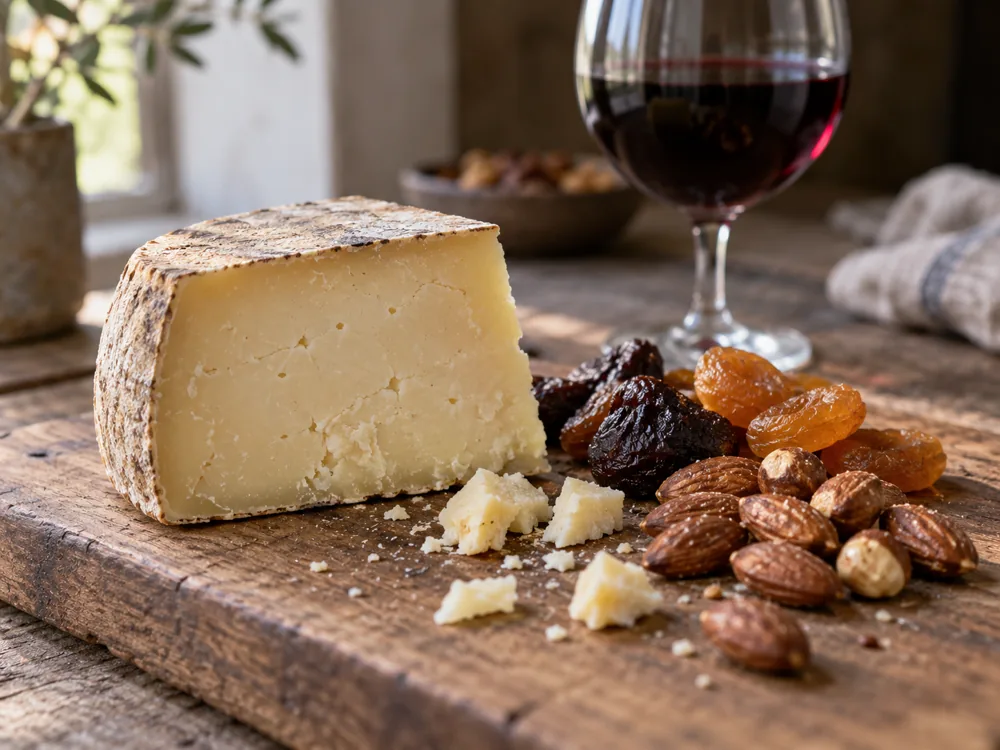
Antonelli's calls Cave Aged Marisa a standout on any cheese board.
Is Marisa Cheese Safe During Pregnancy?
Under NHS and CDC pregnancy cheese guidance, it depends on whether Marisa is read as firm or as semi-soft and, for Cave Aged Marisa, on its rind. All four versions are listed with pasteurized sheep's milk.
The NHS lists pasteurised or unpasteurised hard cheeses such as cheddar, gruyère and parmesan, pasteurised semi-hard cheeses such as edam, and pasteurised soft cheeses such as cottage cheese, mozzarella and feta as safe to eat.
The NHS says pasteurised or unpasteurised mould-ripened soft cheeses with a white coating on the outside, such as brie and camembert, must be thoroughly cooked. Cave Aged Marisa's rind carries patches of white mold, so if you are pregnant, ask a midwife or doctor whether that puts it in this group.
The CDC lists hard cheese, when made with pasteurized milk, as a safer choice, along with cottage cheese, cream cheese, string cheese, feta and mozzarella, when made with pasteurized milk, and pasteurized soft cheeses heated to an internal temperature of 165°F or until steaming hot. Described as firm or as semi-soft and served cold, Marisa is a pasteurized cheese of a type the CDC list does not cover, so ask a midwife or doctor.
Where Can You Buy Marisa Cheese?
Marisa is seasonal, and on 1 October 2026 all four Wisconsin Cheese Mart listings showed sold out.
Wisconsin Cheese Mart listed each version only as a 5 ounce portion, and multiplying those prices by 3.2 gives the per-pound figures below, next to Antonelli's by-the-pound listing.
| Version and seller | Listed price | Per pound |
|---|---|---|
| Marisa, Wisconsin Cheese Mart | $7.75 for 5 ounces | $24.80 |
| Aged Marisa, Wisconsin Cheese Mart | $8.75 for 5 ounces | $28.00 |
| Smoked Marisa, Wisconsin Cheese Mart | $8.75 for 5 ounces | $28.00 |
| Cave Aged Marisa, Wisconsin Cheese Mart | $10.75 for 5 ounces | $34.40 |
| Cave Aged Marisa, Antonelli's | $35.99 per pound, in store only | $35.99 |
On those figures, Cave Aged Marisa cost about $9.60 more per pound than plain Marisa at Wisconsin Cheese Mart, roughly 39% more, and Aged and Smoked Marisa cost $3.20 per pound more than plain.
Antonelli's $35.99 per pound for Cave Aged Marisa was $1.59 above the converted Wisconsin Cheese Mart figure, but its listing gave the cheese as in store only at its Austin, Texas shop, with stock not guaranteed.
When you buy, check that the label carries the full version name.