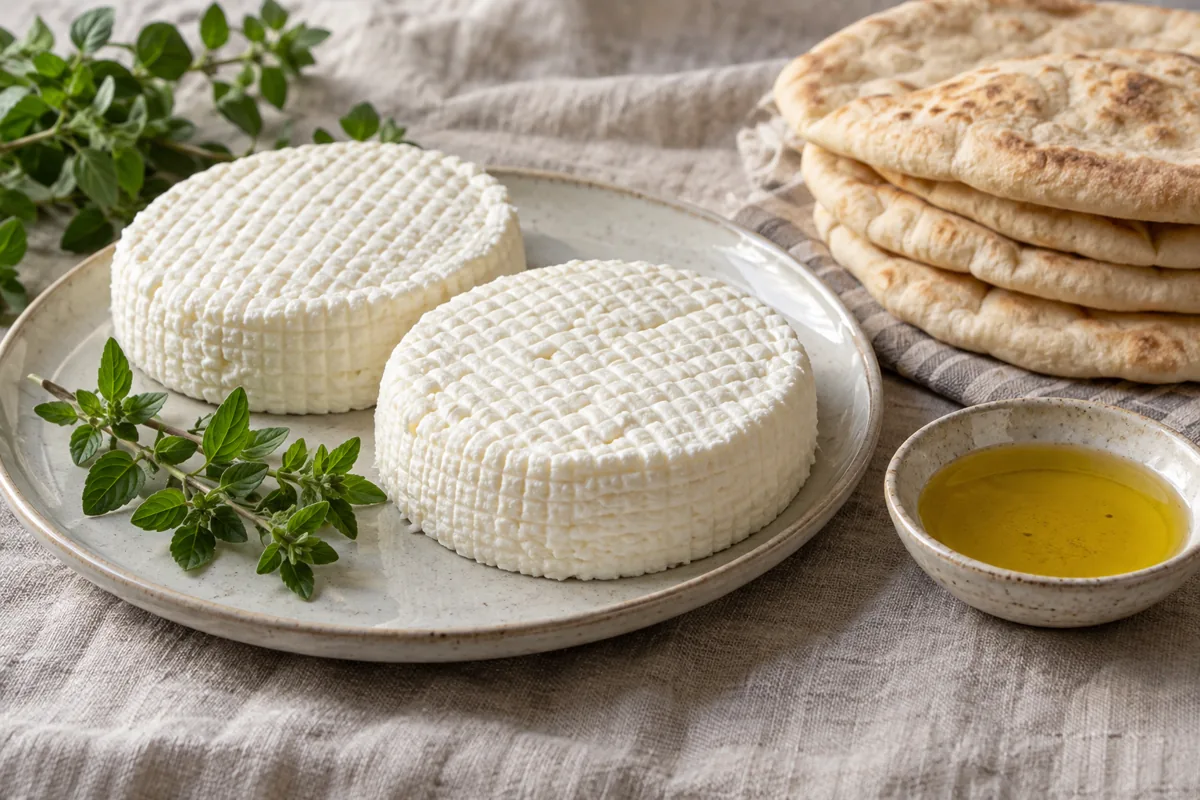
Coalho (queijo de coalho) is a young cheese from Northeast Brazil that browns under heat and keeps its shape.
Brazil's 2001 standard sets its fat range and requires pasteurized milk or an equivalent heat treatment, but the artisan dairies Embrapa surveyed in 2008 differed in milk, salt, shape and curd cooking. On a pack, the milk treatment, the date and any named condiment are the lines to read.
In This Article
What Is Coalho Cheese?
Brazil's Instrução Normativa 30 of 2001 defines queijo de coalho as cheese made by coagulating milk with rennet or another suitable enzyme, with selected lactic bacteria optional, and normally sold within 10 days of manufacture.
The standard requires whole milk or milk standardized to 3% fat, and coalho is listed among Brazil's cow-milk cheeses. Its name comes from the enzyme in ruminant stomachs that coagulates the milk, and it translates as rennet cheese.
Only milk and rennet are mandatory, and another suitable coagulating enzyme is allowed in place of rennet. Calcium chloride, selected lactic cultures, added milk solids, spices and salt are all optional.
The 35% to 60% fat range is a share of the total solids, so fat as a share of the whole cheese, water included, is lower than those figures.
Embrapa and the Federal University of Ceará measured 48 cheeses from 16 artisan dairies in Jaguaribe, Ceará, on the day they were made. Only three dairies met the standard's 35% to 60% fat range.
| Measure | Range across dairies | Brazilian standard |
|---|---|---|
| Fat (basis not stated) | 20.88% to 39.25% | 35% to 60% of total solids |
| Moisture | 36% to 45.9% | Medium to high |
| Ash | 3.45% to 5.09% | No limit set for this cheese |
| Lactic acid | 0.13% to 0.57% | No limit set for this cheese |
| pH | 5.62 to 6.45 | No limit set for this cheese |
The authors rate the moisture of all the cheeses as medium under Portaria 146. They say ash, lactic acid and pH fall within values reported in the literature for enzyme-coagulated cheeses, although the legislation sets no standard for them.
Why Does Coalho Brown Without Melting Away?
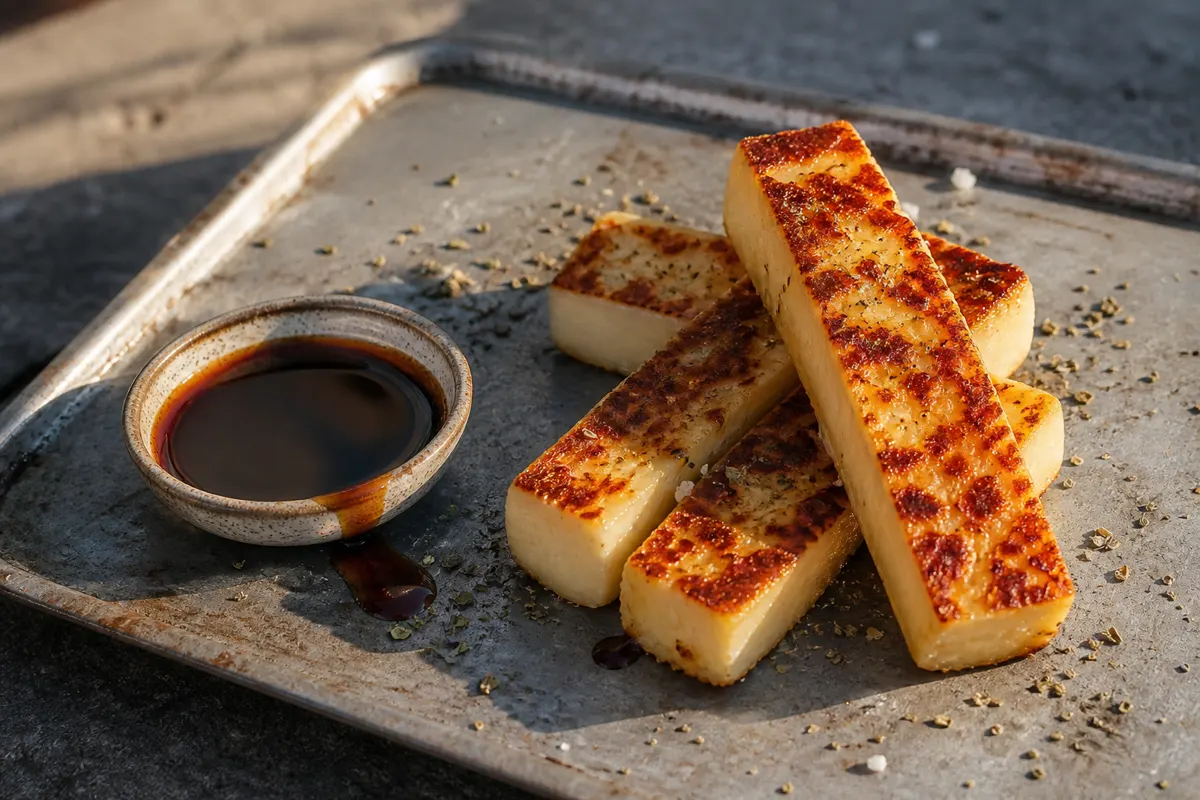
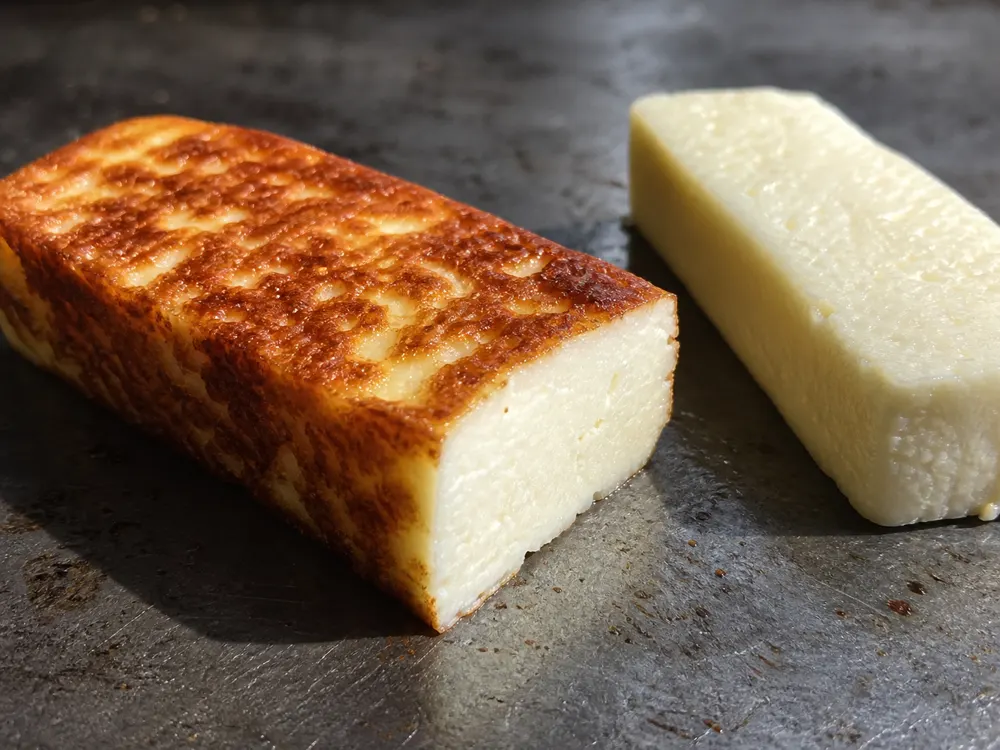
Coalho's resistance to heat comes from low proteolysis and demineralization, and heating gives its surface a toasted look.
Craft Beering explains grilling cheeses as a group: the best ones are coagulated with rennet, whose action creates a protein structure that resists high temperature.
Brazilian Kitchen Abroad describes grilled coalho as golden and slightly crunchy outside and soft and chewy inside, softened but not melted. Texas de Brazil and Craft Beering call the inside gooey, and Texas de Brazil says coalho caramelizes on the outside more readily than some other cheeses while being harder to burn.
How Is Coalho Made Across Northeast Brazil?
Under the standard, the milk coagulates in about 40 minutes, and the curd is cut, stirred and partly drained of whey. The curd is then heated with hot water or indirect steam, salted if the maker wants it, pressed, dried and packaged.
In 2008 Embrapa interviewed 33 producers: 16 in Jaguaribe and 7 in Jaguaretama, both in Ceará, and 10 in Caicó, Rio Grande do Norte. It found no standardized production among the three areas.
| Step | Jaguaribe (CE) | Jaguaretama (CE) | Caicó (RN) |
|---|---|---|---|
| Milk before rennet | Lightly warmed, to about 35°C | No warming step on the flowchart | No warming step on the flowchart |
| Calcium chloride | Added | Added | Not used |
| Natural rennet | One dairy | Still used | Still used |
| Coagulation time | 35 to 40 minutes | 35 to 50 minutes | 35 to 40 minutes |
| Curd cooking | One cooking in whey or water at 45 to 60°C | Two cookings, the second in hot whey after the first pressing | Two cookings, with water near 60°C and curd near 50°C |
| Whey draining | Three drainings | Two drainings | Three drainings |
| Pressing | One pressing, two turns | Two pressings with a cold-whey thermal shock between them, three turns | One pressing, two turns |
| Salt | About 1% | About 1% | Mostly about 0.5% |
| Mold | Round, 900 to 1,100 g | Round, 900 to 1,100 g | Mostly rectangular |
| Vacuum packing | 5 of 16 dairies | None; plastic bags | 2 dairies |
| Cold storage | Cold room at 4 dairies | Cold room at 1 dairy | No cold rooms; home refrigerators and freezers |
The standard's 45 to 55°C is the temperature of the curd, and most of the survey's figures are for the water or whey that heats it. In Caicó the water was near 60°C and the curd near 50°C, inside that range, while Jaguaretama's flowchart started with hot water at 80 to 90°C.
Embrapa attributes the differing shapes and weights to market demand, and says each area's steps shape the character of its cheeses.
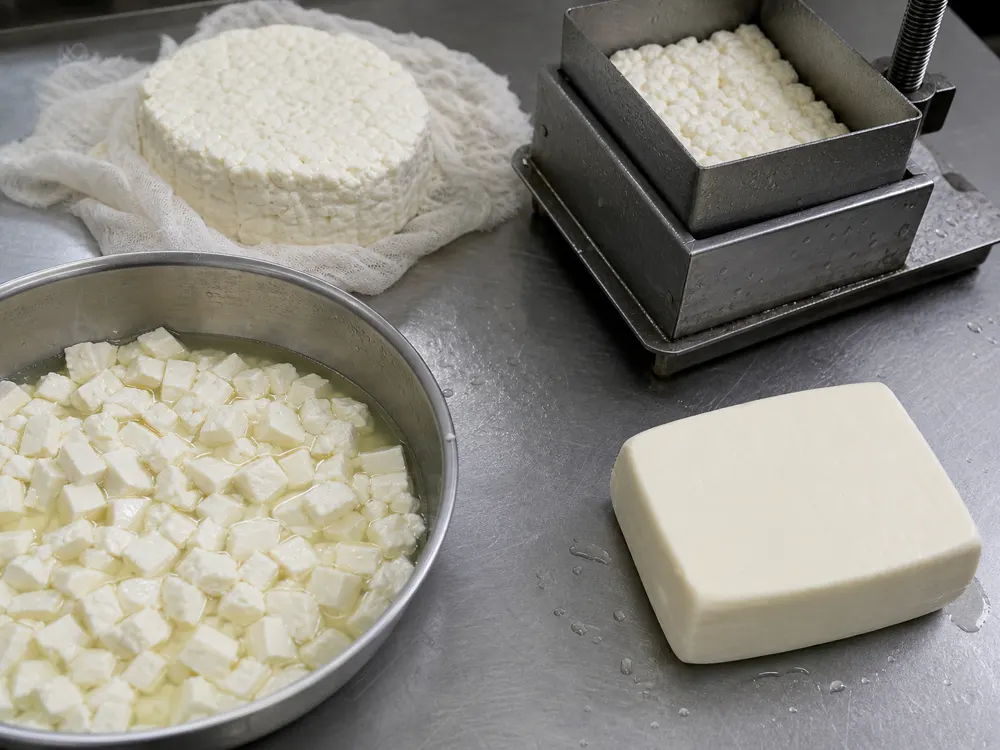
What Should Coalho Taste and Feel Like?
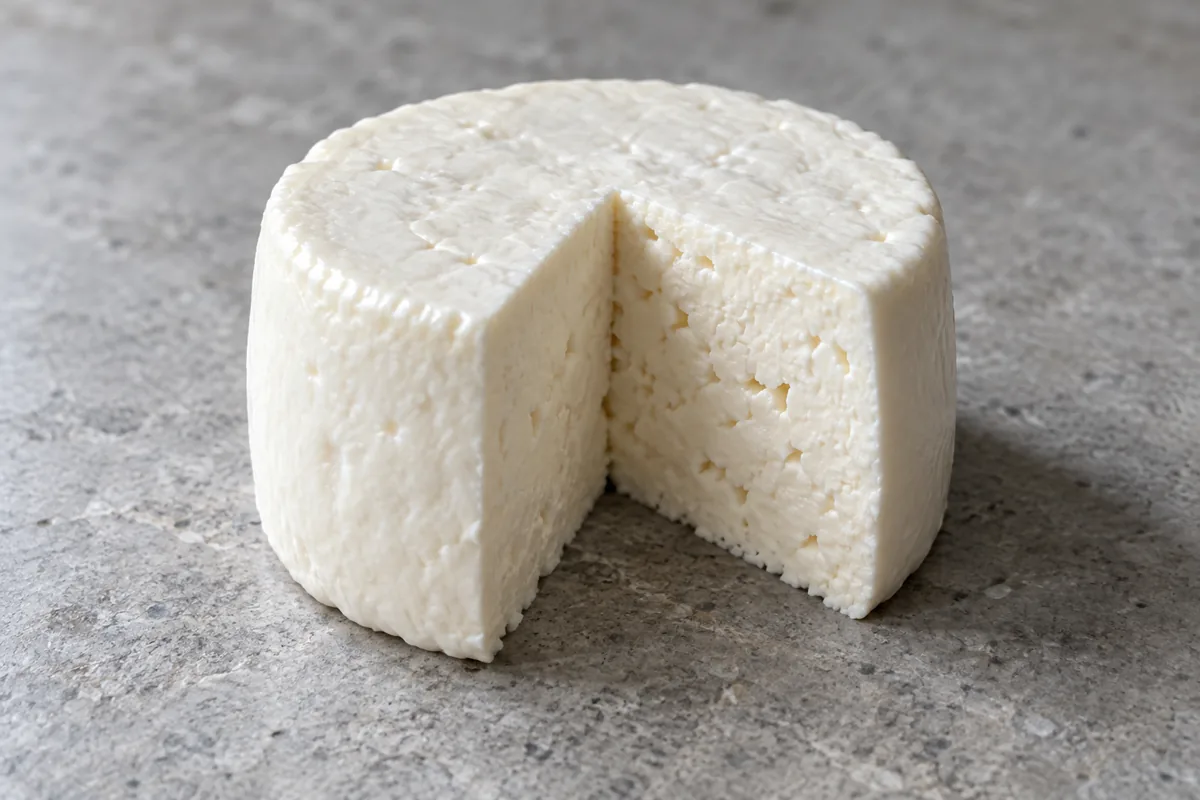
Brazil's standard describes a semi-hard, elastic consistency and a compact, soft texture, with a mild, slightly acidic flavor that may be salty.
- Color: uniform yellowish white in the standard, though Craft Beering describes a faint yellow
- Crust: thin and free of cracks, with no well-defined rind
- Holes: a few small eyes, or none
- Smell: slightly acidic, recalling coagulated curd
On salt, the standard says coalho may be salty, Craft Beering calls it a bit salty, and Brazilian Kitchen Abroad calls it salty.
Texas de Brazil says grilling enhances the saltiness of the outer layer, and it treats a pinch of kosher salt on the finished sticks as optional and unnecessary on a saltier cheese.
ABIQ says the cheese squeaks against the teeth, and Texas de Brazil compares the texture to fresh cheese curds, though it says coalho is not actually curds in quite the same way. Craft Beering describes it as springy and elastic.
Texas de Brazil adds that the cheese holds together and does not crumble the way Parmesan or an aged cheddar would, and it says such firm, uncrumbly cheeses are easy to cut with a plain knife.
How Do You Grill Coalho Without Losing It?
Brazilian Kitchen Abroad puts cold cheese onto a hot surface, and it warns that coalho left at room temperature begins to soften and can melt on the grill before a crust forms.
Craft Beering brushes the cold sticks with a little cooking oil before they go over the coals, while Brazilian Kitchen Abroad lightly sprays the grate and Texas de Brazil brushes a high smoke-point oil on it. For a cheese that drips or sticks, Brazilian Kitchen Abroad suggests a plancha or two sheets of heavy-duty aluminum foil between the cheese and the grill.
| Step | What each grilling recipe does |
|---|---|
| Heat | Brazilian Kitchen Abroad: high heat, hot enough that you can hold a hand over it for about 5 seconds; Texas de Brazil: about 350°F, anywhere from 300 to 450°F; Craft Beering: charcoal, with the cheese straight on the grate |
| Cut | Texas de Brazil: sticks about 1 in wide, 3 in long and half an inch thick |
| Turning | Brazilian Kitchen Abroad: every minute or so, even before the cheese browns; Texas de Brazil: 2 to 3 minutes per side; Craft Beering: as needed until grill marks show on every side |
| Done when | Brazilian Kitchen Abroad: the outside is golden brown and crispy; Texas de Brazil: the crust has started to melt and caramelize; Craft Beering: the cheese is soft to the touch |
Brazilian Kitchen Abroad turns the cheese early and often to cook it evenly, while Texas de Brazil leaves each side in place to build the crust and the grill marks, and says to wait longer when the temperature is lower.
Over charcoal, Craft Beering waits until the coals are covered in gray ash rather than flaming and keeps the lid open, because a closed lid makes the heat too intense. If the cheese browns too fast, it slides the skewers toward the edge of the grill, over medium heat.
Texas de Brazil explains its thickness: thin pieces can over-melt and drip through the grate, while thick ones burn outside before the inside softens. It suggests metal skewers, or wooden ones soaked for 20 to 30 minutes.
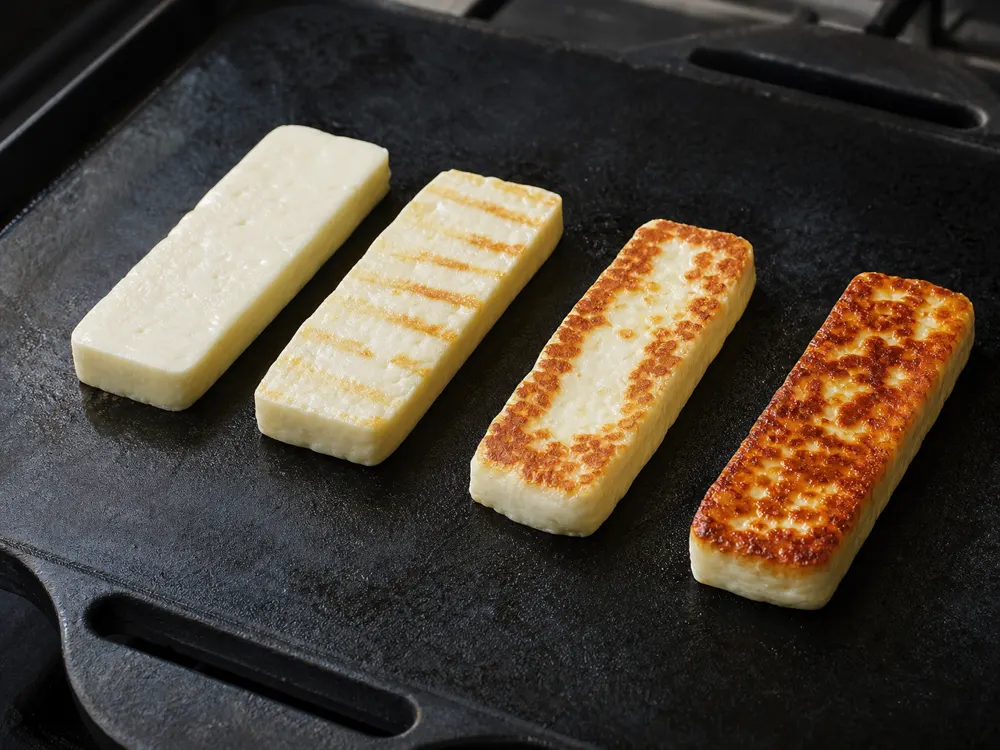
Can You Cook Coalho Without a Grill?
Coalho is usually eaten hot, as sticks grilled over coals or fried, and without a grill it can go in a nonstick pan, a grill pan, an air fryer or an open panini press.
| Method | Setting | Given by |
|---|---|---|
| Nonstick pan | Medium heat, no oil; flip when the cheese starts to sizzle and keep turning until every side is golden; a pan that is too hot burns it | Brazilian Kitchen Abroad |
| Grill pan | Medium-high heat; cold sticks brushed with oil and set across the ribs; turn until deep golden marks appear | Craft Beering |
| Air fryer | Preheat to 400°F (200°C) for at least 5 minutes; spray the basket and cheese lightly with olive oil; about 8 minutes, turning every 2 minutes | Brazilian Kitchen Abroad |
| Panini press or counter toaster | Left open, not shut | Craft Beering |
Oil is where the methods differ: Brazilian Kitchen Abroad uses none in the nonstick pan but sprays the air-fryer basket and the cheese, and Craft Beering brushes the sticks before the grill pan.
Imported coalho can come already skewered. Brazilian Kitchen Abroad keeps the sticks in for the pan and removes them for the air fryer or when they will not fit.
How Do People Serve Coalho in Brazil?
On Northeast Brazilian beaches, vendors walk the sand with a portable charcoal grill and a cooler of skewered cheese, grilling each order for an inexpensive snack. In Rio, vendors call out as they carry charcoal tins.
ABIQ's profile says the cheese is now found all over Brazil, easily in supermarkets and bars, mostly in coastal regions.
| Pairing | Type | Why It Works |
|---|---|---|
| Oregano | Food | Craft Beering sprinkles fresh or dried oregano on the cooked cheese, and Brazilian Kitchen Abroad lists it too, in olive oil with red pepper flakes. |
| Cane syrup or molasses | Food | Craft Beering says Brazilians often drizzle cane syrup (melado de cana) over it; Texas de Brazil names molasses, including pomegranate molasses. |
| Honey | Food | Named by Brazilian Kitchen Abroad, Texas de Brazil and Craft Beering; Brazilian Kitchen Abroad adds lime zest for a sweet and tart balance, or mustard for a tangy-sweet match to the salty bite. |
| Garlic and chimichurri | Food | Texas de Brazil names minced garlic in oil, Craft Beering a garlic-flavored sauce, and Brazilian Kitchen Abroad a cilantro chimichurri. |
| Pineapple and farofa | Food | Texas de Brazil alternates bite-sized cheese with pineapple chunks on the grill and sprinkles the finished cheese with farofa, toasted cassava flour, for a mild nutty crunch. |
| Czech pilsner, American craft lager, amber ale or dark German lager | Drink | Craft Beering's beer matches, chosen because carbonation counters the richness of the cheese and the malt and bready notes recall cheese on a cracker or toast; Brazilian Kitchen Abroad suggests mate gelado, Brazilian iced tea. |
Texas de Brazil says the sweeter drizzles tend to be the common ones in Brazil, while it expects U.S. diners to prefer the herbal ones, and it suggests making a few so each can be tried.
| Use |
|---|
| Grilled on a skewer as a beach and barbecue snack, as Brazilian Kitchen Abroad and Craft Beering describe it. |
| Eaten without cooking, which Craft Beering says is possible, though it says the cheese's virtues show once grill or skillet heat has formed a crisp outside and a gooey inside. |
| In salads: Brazilian Kitchen Abroad lists a pear salad with port wine dressing and a tomato salad with balsamic vinegar that both use queijo coalho. |
Is Coalho the Same as Halloumi?
No, although both cheeses can take heat without collapsing.
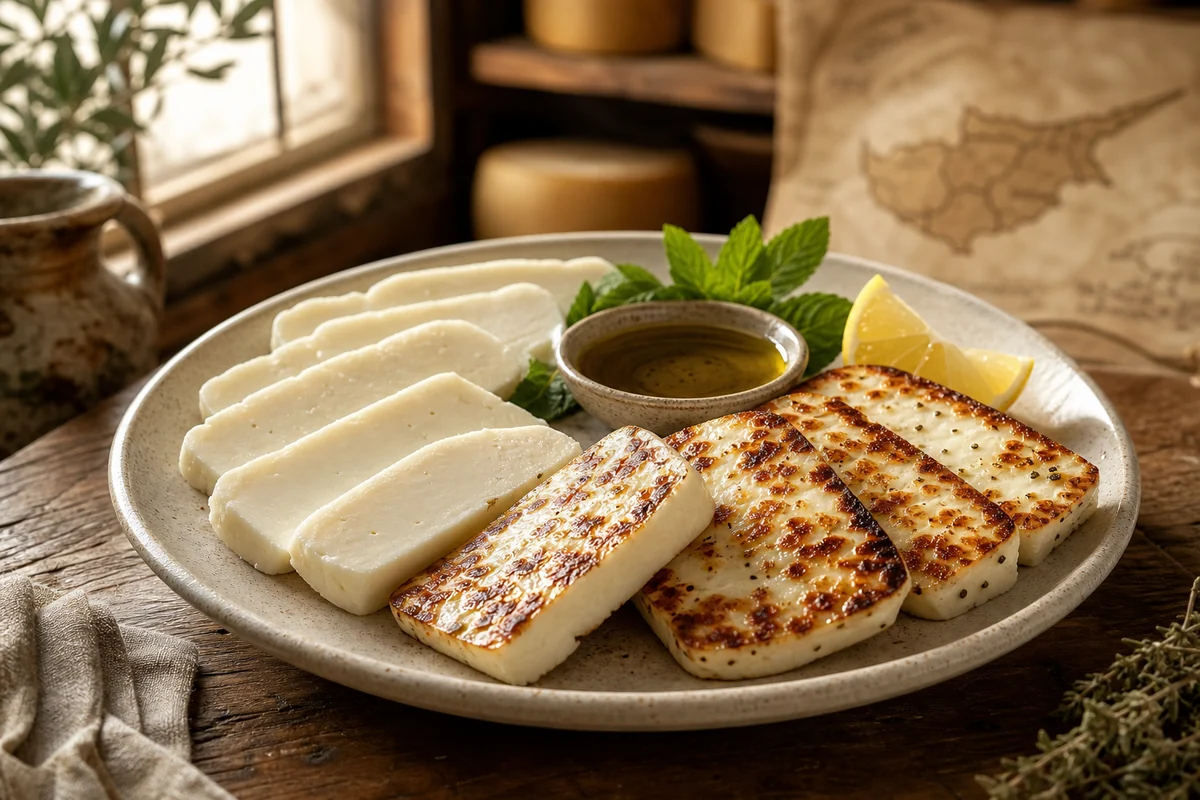
Halloumi comes from Cyprus, and its EU protected designation limits the name to cheese made in certain parts of Cyprus. Texas de Brazil gives its milk as goat and sheep milk, which Wikipedia calls the traditional mix, adding that modern halloumi increasingly contains cow's milk.
| Feature | Coalho | Halloumi |
|---|---|---|
| Origin | Northeast Brazil (ABIQ) | Cyprus (Texas de Brazil) |
| Acid-producing bacteria | Selected lactic bacteria optional (standard) | None used (Wikipedia) |
| Curd | Heated before pressing, with hot water or indirect steam, to at most 45°C (semi-cooked) or 45 to 55°C (cooked); raw curd also allowed (standard) | Pressed first, then scalded in hot whey for at least 30 minutes (Wikipedia) |
| After the curd | Salted if the maker wishes, pressed, dried and packaged; normally sold within 10 days (standard) | Salted, mint added, folded and stored in salted whey for 1 to 3 days; mature halloumi stays in the brine at least 40 days (Wikipedia) |
| Flavor and feel | Mild, slightly acidic, may be salty; semi-hard and elastic (standard) | Firm, salty and squeaky (Brazilian Kitchen Abroad) |
| Name protection | Brazilian standard IN 30; Embrapa says producers were seeking a geographic indication | EU protected designation of origin (Wikipedia) |
Wikipedia calls the scald the most crucial step in making halloumi, because it gives the cheese its characteristic texture.
Mature halloumi, which Wikipedia describes as harder, drier and saltier than the milder, less salty fresh halloumi, stays in the brine at least 40 days, while coalho is normally sold within 10 days of manufacture.
Texas de Brazil calls halloumi texturally nearly identical to coalho, with a very similar flavor.
What Can You Use Instead of Coalho?
Halloumi is the stand-in that Brazilian Kitchen Abroad, Texas de Brazil and Craft Beering all name. Brazilian Kitchen Abroad calls it its favorite substitute for flavor and texture and has never had trouble finding it in regular U.S. grocery stores, and Craft Beering calls it the cheese most like coalho.
| Stand-in | In its favor | What to watch |
|---|---|---|
| Halloumi | Same dense-but-soft texture and high melting point; easy to skewer (Texas de Brazil, Craft Beering) | Goat and sheep milk instead of cow milk (Texas de Brazil) |
| Kasseri | Consistency and high melting point suit grilling (Texas de Brazil) | Sheep and goat milk (Texas de Brazil) |
| Cheese curds | A Wisconsin favorite and easy to find; skewer a few close together (Craft Beering) | Rennet-set like coalho (Craft Beering) |
| Bread cheese | Finnish rennet cheese, juustoleipä; U.S. makers use pasteurized cow's milk and sell it in specialty cheese sections (Craft Beering) | Traditionally made with reindeer milk (Craft Beering) |
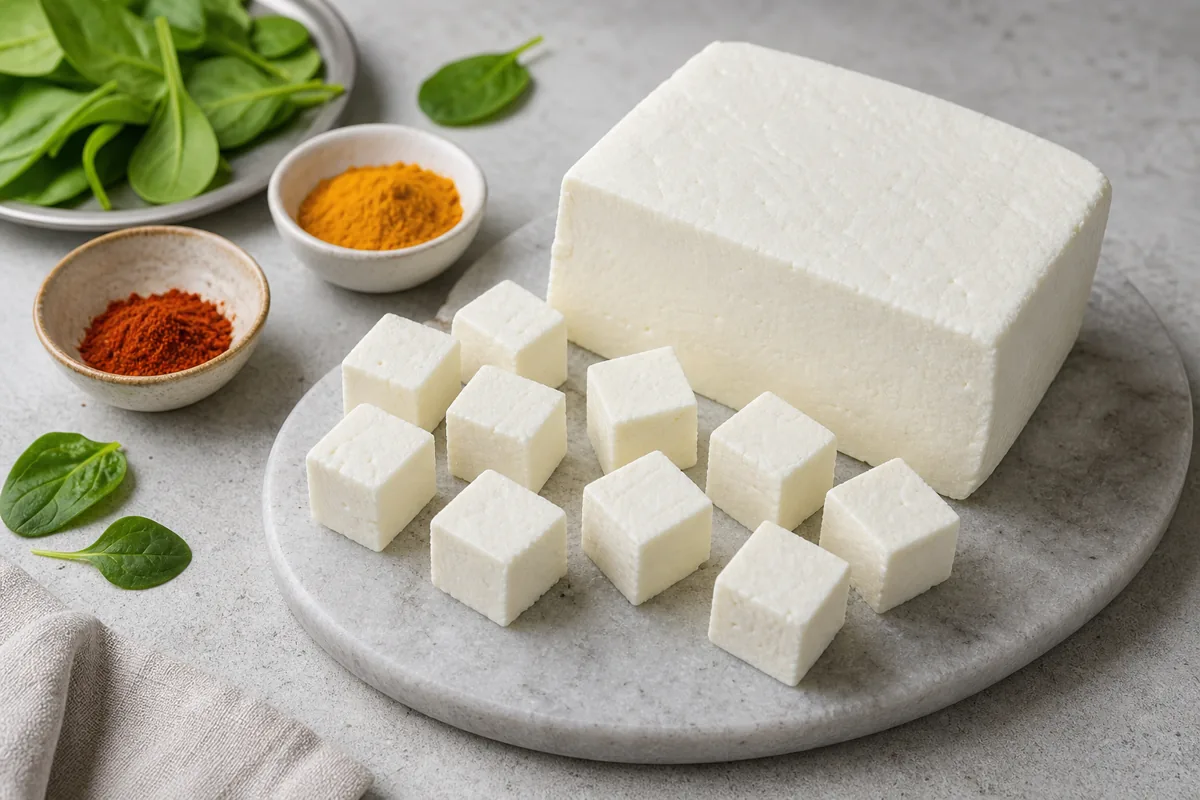
| Paneer | Firm, non-melting and takes on marinades (Brazilian Kitchen Abroad, Texas de Brazil) | Not rennet-set, so Craft Beering marinates it and uses a non-stick basket, pan or mesh liner |
| Feta | Grills well if it is not too crumbly and is sold in brine (Craft Beering) | Brittle, so Craft Beering does not skewer it and grills inch-thick marinated rectangles whole |
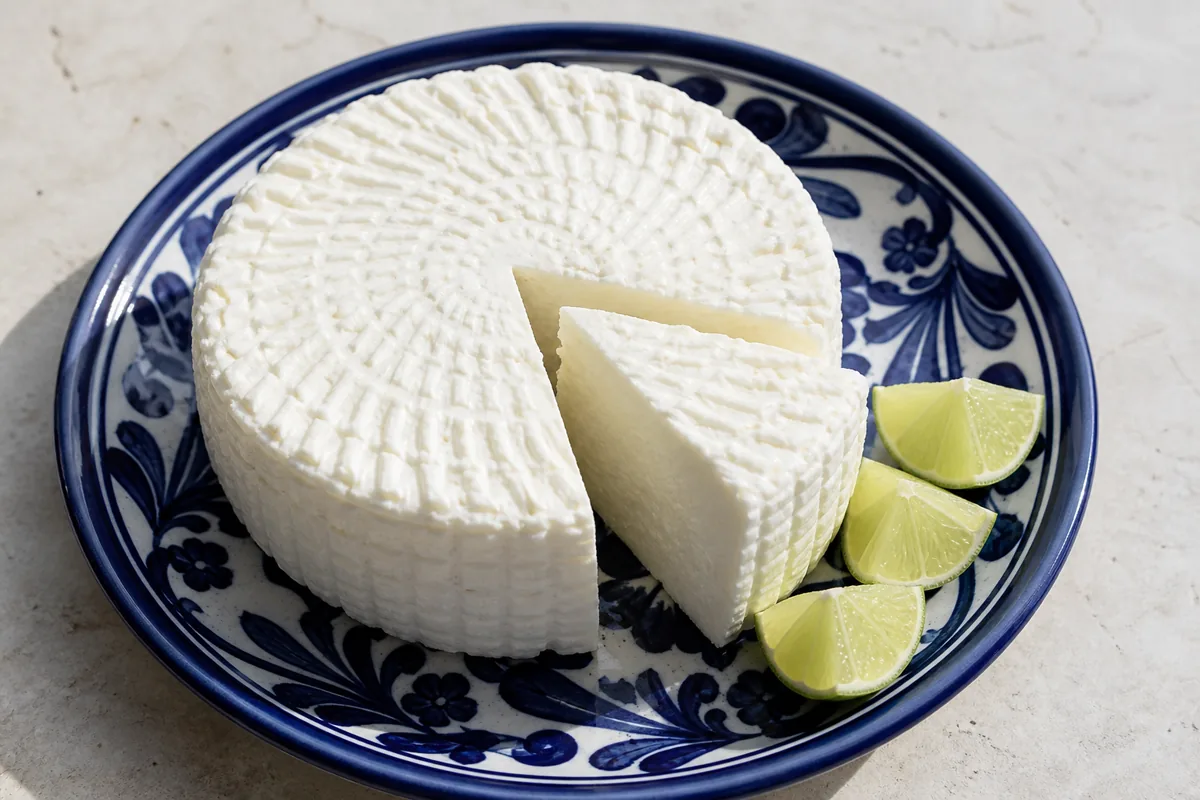
| Queso fresco | The most readily available of these in the United States (Texas de Brazil) | Often crumbly and awkward on a skewer; Texas de Brazil prefers halloumi |
Craft Beering sorts the options by how the cheese is set: rennet-set ones such as halloumi, cheese curds and bread cheese are its top picks, while non-rennet cheeses such as paneer and feta cheese are workable but need more care because their protein networks are weaker.
Texas de Brazil adds Kasseri cheese and says none of its stand-ins is a perfect replacement, though they get close enough to enjoy the dish. If it can be found, queso panela is also a similar option, it says.
Is the Milk Pasteurized, and What Does That Mean in Pregnancy?
Brazil's standard requires the milk to be pasteurized or given an equivalent heat treatment. ABIQ says the traditional artisan technology of the Northeast uses raw milk, and that production changed to meet hygiene and pasteurization requirements.
In Embrapa's 2008 survey, seven years after the standard, all the producers interviewed in Jaguaretama and Caicó used raw milk, and only one of the 16 in Jaguaribe pasteurized. The NHS and CDC lines below differ by milk, so the milk treatment on the label is the first thing to check before eating coalho during pregnancy.
The NHS lists pasteurised semi-hard cheeses and pasteurised soft cheeses as safe to eat, with pasteurised paneer and halloumi among its soft-cheese examples. Brazil's standard describes coalho as semi-hard in consistency and soft in texture, with a thin crust and no well-defined rind.
If the milk is unpasteurised, the NHS says any foods made from unpasteurised milk must be thoroughly cooked. It lists any cheese that's been cooked until steaming hot as safe to eat.
The CDC lists unpasteurized (raw) milk and dairy products made from raw milk as riskier choices, along with soft cheese made from unpasteurized (raw) milk.
Its safer choices for cheese include hard cheese, when made with pasteurized milk; cottage cheese, cream cheese, string cheese, feta and mozzarella, when made with pasteurized milk; and pasteurized soft cheeses heated to an internal temperature of 165°F or until steaming hot.
That heated line names pasteurized soft cheeses only, so if you follow US advice, ask a midwife or doctor about coalho made with raw milk, even when it is grilled or otherwise cooked.
Served cold, coalho made with pasteurized milk is described as semi-hard and elastic with a compact, soft texture, or as firm or springy, a type the CDC list does not cover, so ask a midwife or doctor.
The 165°F in the CDC line is an internal temperature, and the CDC says to use a food thermometer to ensure foods are cooked to a safe internal temperature.
How Should You Buy and Store Coalho?
ABIQ calls coalho a cheese without maturation and tells buyers to watch the expiry date and keep the cheese refrigerated.
Brazil's standard sets a trade ceiling of 12°C and describes normal storage at an average of 10 to 12°C. For your own refrigerator, the CDC says to keep your refrigerator at 40°F (4°C) or below.
The Jaguaribe cheeses measured 36% to 45.9% moisture on the day they were made, and their authors note that moisture can affect water activity and the activity of microorganisms during storage, with possible effects on texture, pH, flavor and aroma.
Brazil's standard fixes the sales name as Queijo de Coalho: a cheese with one added condiment must name it, and one with several can add Condimentado after the name.
The standard allows rennet or other suitable coagulating enzymes, and in 2008 natural rennet was still used in Jaguaretama and Caicó and at one Jaguaribe dairy. If you avoid animal rennet, look for the coagulant on the label.
Vacuum packing gives higher preservation standards, and the standard accepts packaging with or without vacuum.
SOURCES & REFERENCES
What Quick Questions Come Up About Coalho Cheese?
ABIQ says it does not melt when heated, because of low proteolysis and demineralization. Brazilian Kitchen Abroad warns that it can still melt on the grill if it sits at room temperature first.
Craft Beering says yes, though it says the cheese's virtues show once grill or skillet heat has formed a crisp outside and a gooey inside. Coalho is usually eaten hot.
Brazilian Kitchen Abroad cooks it in a nonstick pan over medium heat or in an air fryer at 400°F (200°C) for about 8 minutes, and Craft Beering uses a grill pan over medium-high heat.
No. Coalho is a Brazilian cheese defined by a national standard, while halloumi is a Cypriot cheese with an EU protected designation, and their curd is cooked and salted differently. Brazilian Kitchen Abroad still calls halloumi its favorite substitute for flavor and texture.
The name comes from the enzyme in ruminant stomachs that coagulates the milk, and queijo de coalho translates as rennet cheese.
Brazilian Kitchen Abroad points to Brazilian or Latin markets, and Craft Beering names ethnic stores that carry Brazilian foods and several online retailers. Check the milk treatment and the date on the package.
It depends on the milk and on whether it is cooked. The NHS lists pasteurised semi-hard and pasteurised soft cheeses, and any cheese that's been cooked until steaming hot, as safe to eat, and says any foods made from unpasteurised milk must be thoroughly cooked.
The CDC lists unpasteurized (raw) milk and dairy products made from raw milk as riskier. Served cold, pasteurized coalho is described as semi-hard and elastic with a compact, soft texture, or as firm or springy, a type the CDC list does not cover, so check the label and ask a midwife or doctor.