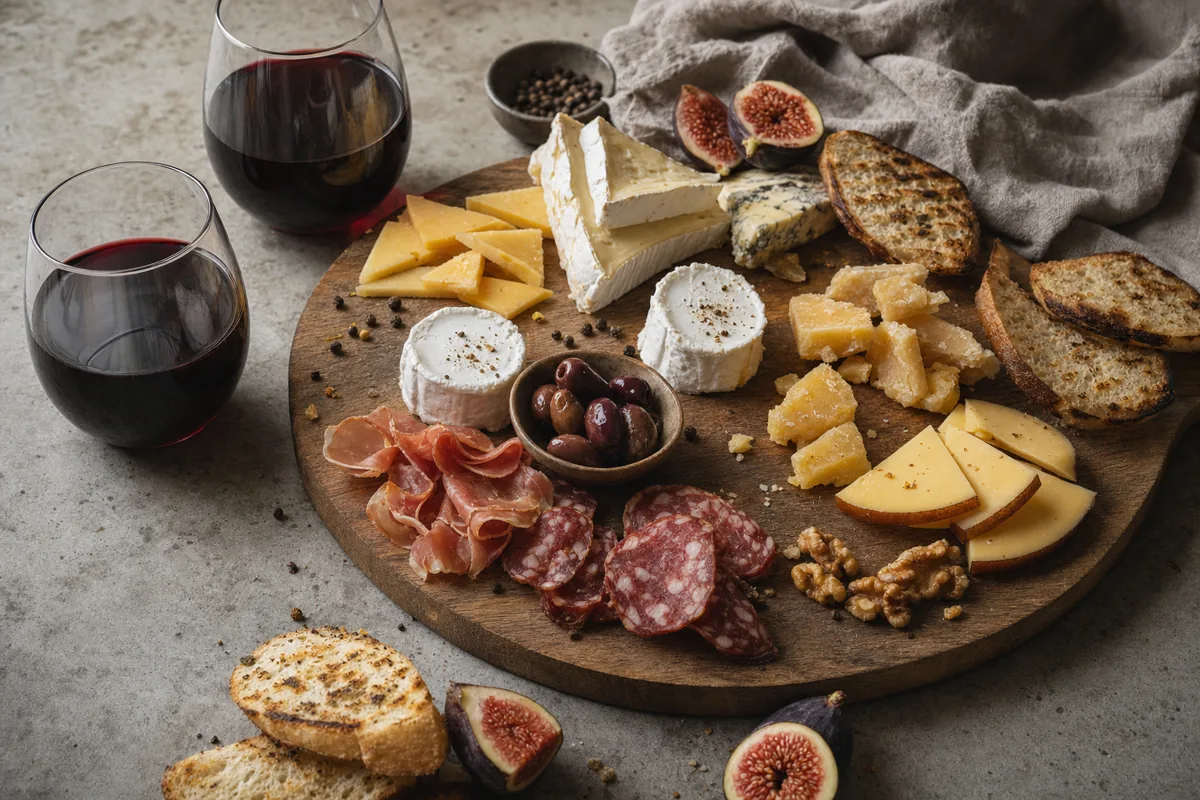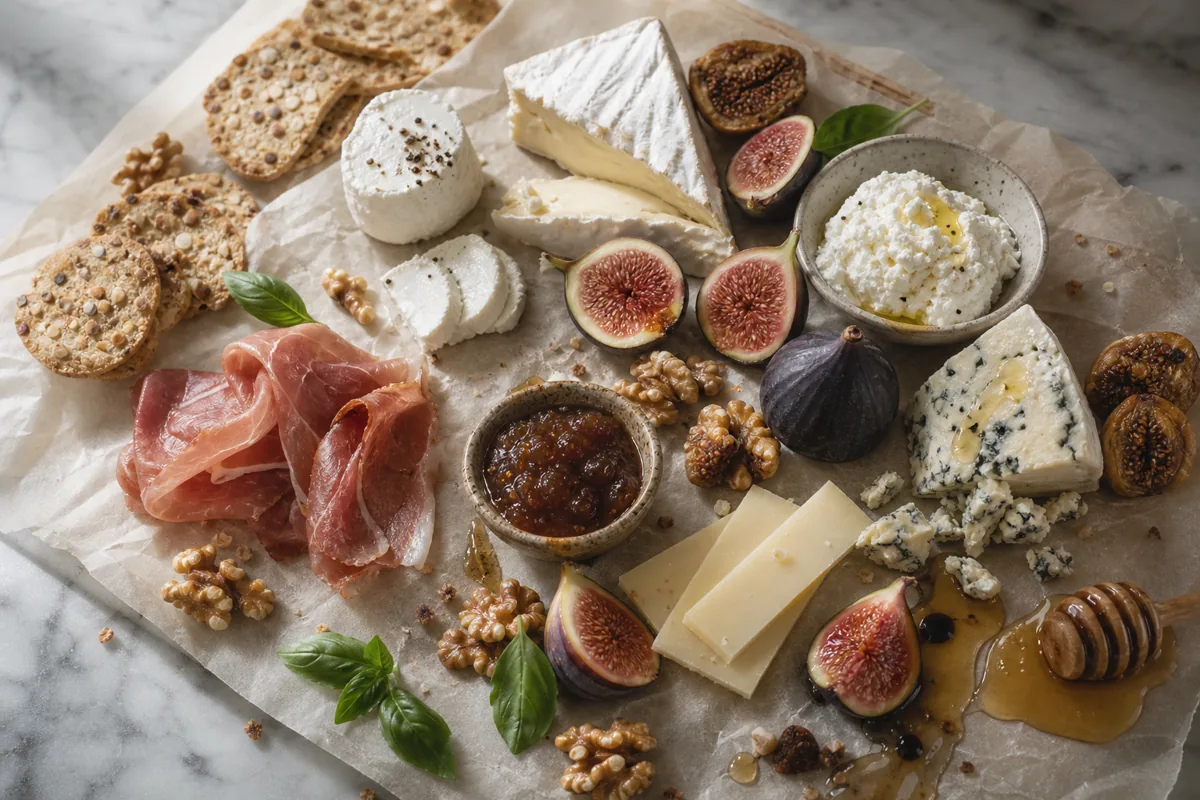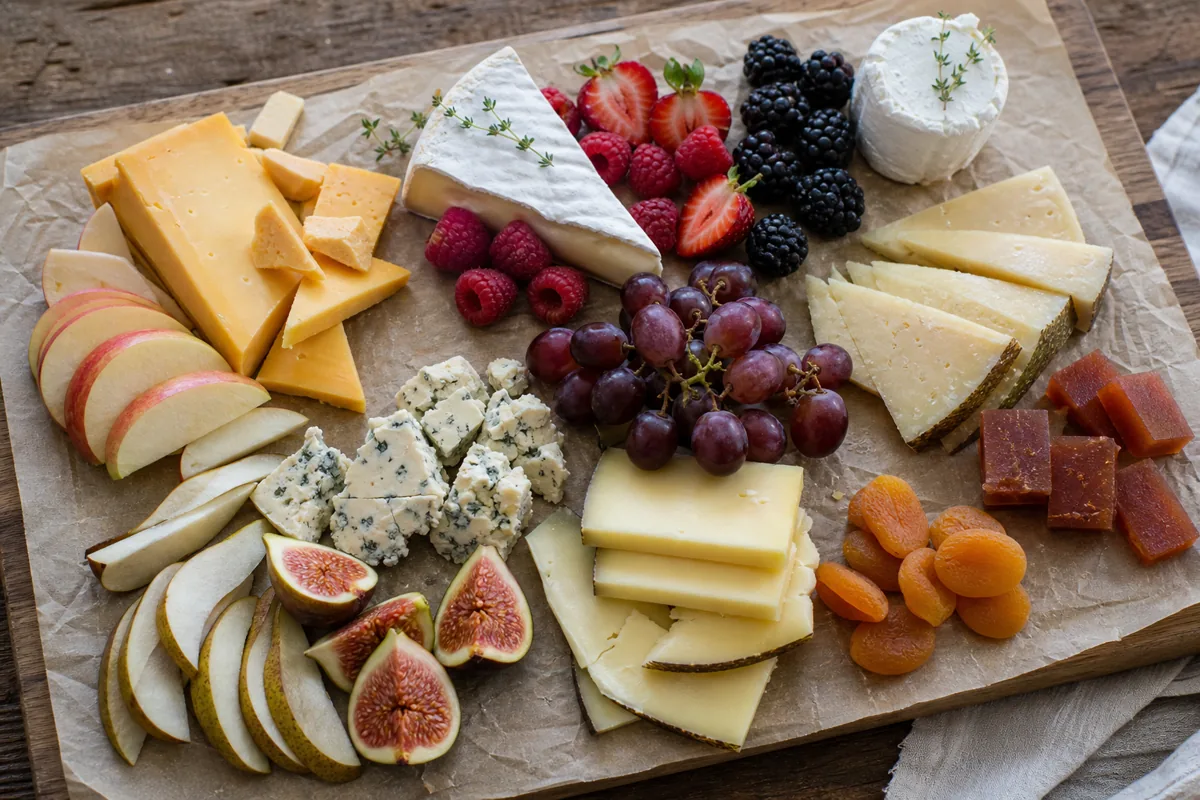
Fruit pairs with cheese first because most fruit is acidic. Molly Browne, education director at Dairy Farmers of Wisconsin, says acidity "works a lot like salt does to amplify flavors" and also clears the fat that coats the mouth after cheese.
The educators also give fresh fruit, dried fruit, and cooked preserves different jobs, and those jobs decide most of the choices below.
In This Article
Which Fruit Goes With Which Cheese?
Each row in the table names a pairing that a cheesemonger, cheese educator, or producer recommends, with the person or publication that suggests it.
| Pairing | Why It Works |
|---|---|
| Cheddar + apple | Molly Browne of Dairy Farmers of Wisconsin calls apples a very classic pairing. Rory Stamp of Formaggio Kitchen, quoted in Culture, suggests green apples and cheddar as an approachable start. |
| Gouda + grapes | Vanessa Tilaka of Agnes Restaurant & Cheesery likes grapes with Gouda, even though grapes also work as a general palate cleanser. |
| Aged Gouda + dried apricots | Wisconsin Cheese pairs dried apricots with aged Gouda and dried cherries with young Gouda. |
| Brie + strawberries or raspberries | Kyra James says the slight acidity and balanced sweetness of the berries suit the earthy, mushroom-like note of a bloomy rind. |
| Camembert-style cheese + cranberry jam or chutney | Browne serves cranberry jam or chutney with Hoard's St. Saviour, a bloomy-rind cheese, and calls cranberries a fun fall fruit to pair with. |
| Fresh goat cheese + raspberries or blackberries | Tenaya Darlington, author of Madame Fromage's Adventures in Cheese, calls both berries classic partners for chevre. |
| Fresh goat cheese + prunes | Amy Sherman, editor of The Cheese Professor, recommends prunes with soft fresh goat cheese. |
| Ricotta + peaches or berries | Jacqueline Roman in Culture says peaches and berries of any kind pair happily with ricotta, which she describes as mild with a subtle sweetness. |
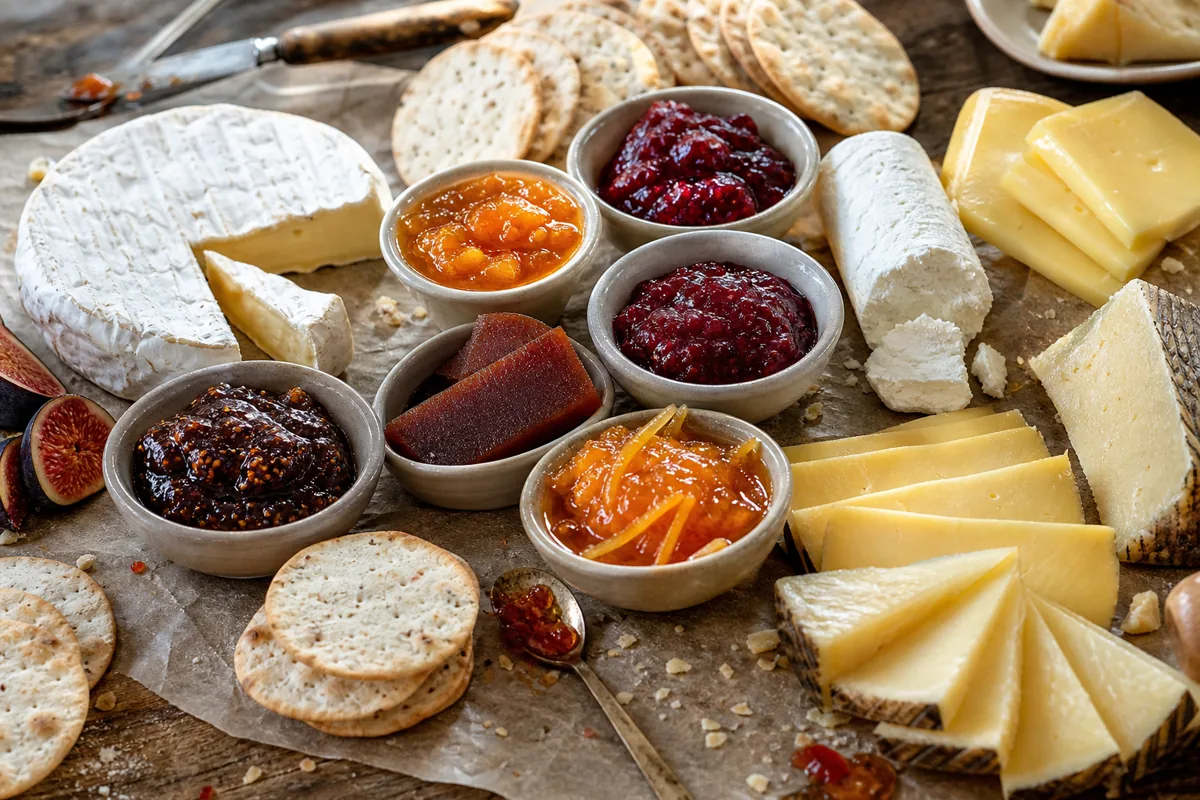
| Manchego + quince paste | Tilaka calls it a classic pairing, and Foods & Wines from Spain quotes a quince paste maker who says the same. |
| Parmigiano Reggiano + pineapple | Darlington likes it with dried or fresh pineapple, which she suggests for dessert, and The Cheese Professor notes that some aroma compounds in Parmigiano Reggiano resemble pineapple. |
| Gorgonzola Dolce + dried mango | Darlington recommends the contrast between this soft, creamy blue cheese and the texture of dried mango. |
These are professional opinions, not measured tests, and Tilaka says everyone's palate is different, so a pairing that fails for one person is not wrong for everyone.
Stamp's advice for beginners in Culture is to start with familiar foods, such as green apples and cheddar, before looking for rarer matches.
Why Does Fruit Work With Cheese?
Browne's first reason is acidity. She calls grapes "perfectly packaged little acid bombs" that clean up the palate, and gives that as the reason they are so commonly paired with cheese.
Her second reason is aroma. Fruity esters, a family of aroma compounds, drive flavor in many cheeses, and she says aged Parmesan styles tend to pick up tropical fruit notes, so dried pineapple or mango or a tropical fruit jam adds the same aromas and makes them easier to detect.
Darlington adds that tart things like tart pairings. That is why she puts candied citrus peel and lemon curd beside fresh goat cheese, alongside tart raspberries and blackberries.
Contrast is another route. Jessica Sennett, founder of Cheese Grotto, finds that the buttery, umami richness of bloomy-rind and softer, fudgy washed-rind cheeses suits peaches and nectarines, which bring brightness and balance.
Texture works as contrast too. Tilaka says a very hard cheese beside a harder fruit might get lost, while a jam gives two different textures, and Browne adds that fruit can bring crunch or the mouthfeel of a jam.
Place is a reason of its own. Tilaka says anything from the same region should go together, and Darlington notes that Camembert and cheddar come from regions with many apple trees, where apples are eaten with those cheeses.
Fresh, Dried, or Cooked: Which Fruit Format Suits Which Cheese?
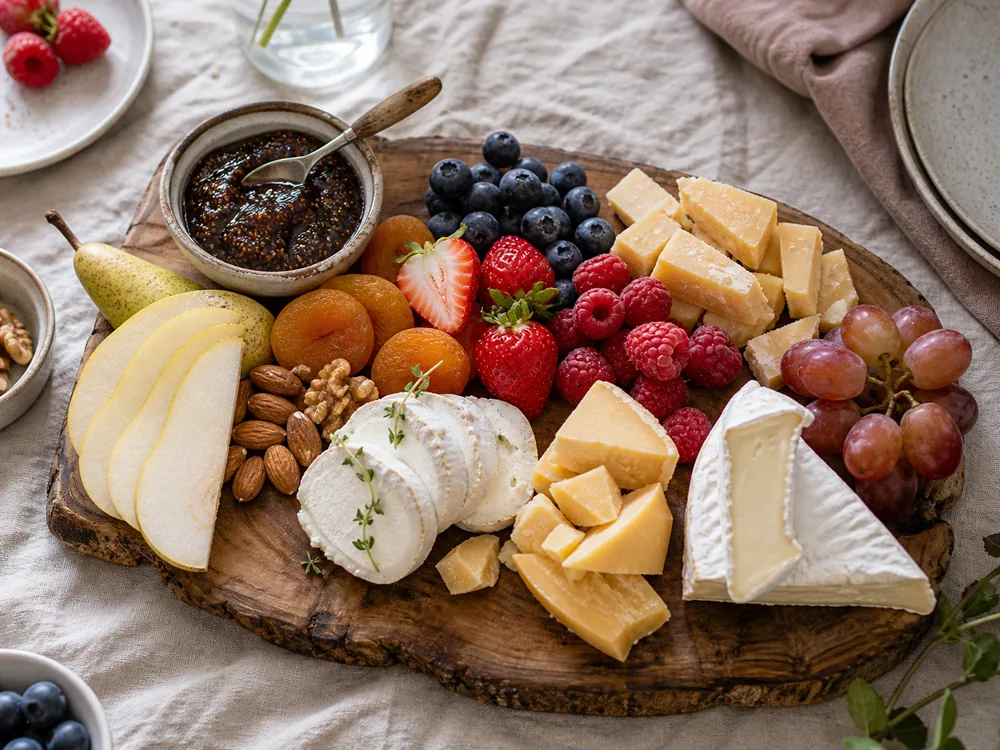
Once the fruit is chosen, the next step is its format. Browne says fresh fruit carries robust flavors and the sensory effect of its juice, and taking some of that away leaves more concentrated flavors and textures that are a little easier to pair with cheese.
Sennett explains why a cook would bother: a strongly flavored aged cheese can overwhelm the delicate flavor of fresh fruit. Cooked down into a conserve or compote, especially beside a blue, the fruit's flavor can come through.
James gives the apricot as her example. A fresh stone fruit's delicate flavor cannot match complex cheese flavors, she says, while dried apricots are "incredible" with them, and moisture is not always a desired trait in a pairing.
| Fruit Format | What the Sources Say | Pairings They Name |
|---|---|---|
| Fresh | Carries juice and strong fruit flavor, but delicate fruit loses to aged cheese (Browne, Sennett, James). | Apple, berries, and peaches beside cheddar, Brie, goat cheese, and ricotta (Culture, The Cheese Professor). |
| Dried | Concentrated flavor and sugar with less moisture (Browne, James, Stamp in Culture). | Raisins with aged cheddar (Wisconsin Cheese); dates and raisins with blue cheese (Culture). |
| Cooked: jam, chutney, conserve | Lets fruit flavor come through beside a strong cheese (Sennett). | Fig or sour cherry jam with blue cheese, tomato jam with aged cheddar, apple butter with Havarti (Wisconsin Cheese). |
| Baked | Served warm beside a soft cheese at room temperature (Darlington). | Baked pears or apples with Stilton (The Cheese Professor). |
The pattern follows cheese strength, with visible exceptions. Wisconsin Cheese pairs raspberry preserves with mascarpone, a fresh cheese, and says dried fruits such as pineapple add sweet-tangy flavors that suit young and aged cheeses alike.
Delicate fresh fruit suits young, soft, or fresh cheese. Aged, salty, or blue cheese can pair better with dried fruit or a conserve, although the Parmigiano Reggiano Consortium lists only fresh fruit for its wheels aged 24 to 45 months.
Which Fruit Goes With Parmigiano Reggiano at Each Age?
The Consorzio del Formaggio Parmigiano Reggiano, the producers' consortium, lists fresh fruit for three stages of maturation. It describes a wheel aged over 12 months as tasting of milk and butter with yogurt-like acidity and notes of fresh grass and wildflowers.
At over 24 months the lactic acidity opens into white pepper spice and the aroma of meat broth, with hints of tropical and dried fruit and a granularity that starts to linger on the palate. At 35 to 45 months the Consortium describes strong aromatic intensity with spicy and smoky notes.
| Age of the Cheese | Fruit Listed and the Reason Given |
|---|---|
| Over 12 months | Melon (watery sweetness enhances the milky notes), strawberries (acidity recalls yogurt), kiwi, white grapes, papaya, Williams pear. |
| Over 24 months | Fresh figs, mango (a tropical note that harmonises with dried-fruit aromas), pomegranate (cleanses the palate), cherries (acidity contrasts the growing savouriness), nectarines, black grapes. |
| 35 to 45 months | Persimmons (soft sweetness tempers the savouriness), passion fruit (a sharp contrast), pineapple (sweetness and acidity combined), fresh dates, ripe strawberry grapes. |
Read across the rows, the Consortium's reasons move from echo to contrast. With the youngest cheese, melon's sweetness and strawberry's acidity repeat the milky and yogurt notes the cheese already has.
With the oldest, passion fruit is described as a sharp contrast and persimmon as a sweetness that tempers the savouriness, so the fruit answers the cheese instead of matching it.
Darlington reaches for dried fruit with old wedges: she says the concentrated sweetness of dried fruit pairs especially well with the concentrated saltiness of aged Parmesan, Pecorino, and Gouda. The two pieces of advice answer different questions, because the Consortium's page covers only fresh fruit.
The Cheese Professor's fall guide adds dried white mulberries, which Sherman describes as intensely sweet and a bit like honey, for saltier cheeses such as Parmigiano Reggiano and for Alpine cheeses such as Comté or Gruyère.
What Fruit Goes With Cheddar and Gouda?
Browne calls apple a very classic pairing for cheddar and says cooks in Wisconsin even put a slice of cheddar on apple pie.
Roman in Culture steps up from mild cheddar to a sharp white cheddar, which she describes as less creamy and with more bite, because the crisp, refreshing apple keeps it from tasting too intense. She also pairs sliced apple with Fontina in a green salad, and with Monterey Jack, which she says can be tart until the apple's sweet acidity balances it.
Sennett says apples differ in tartness, sweetness, floral character, crispness, and softness, and that heirloom varieties suit styles from Alpine cheeses to cheddar.
Cabot Creamery matches fruit to the character of each of its cheddars. It sets the juicy sweetness of ripe mango against its habanero cheddar's heat, and the tart sweetness of grapes against the subtle sweetness and smooth texture of its White Oak.
Its Extra Sharp goes with pears because the cheese's citrusy tang suits their tender juiciness, and its Seriously Sharp goes with peaches, whose slightly tart sweetness suits a bold flavor. Its Vermont Sharp, with a slight acidity and buttery tang, goes with the juicy sweetness of plums.
Gouda changes partners with age. Wisconsin Cheese pairs dried cherries with young Gouda and mango chutney with aged Gouda, and Janet Fletcher, an author and cheese educator, names dried figs as a match for aged Gouda.
What Fruit Goes With Brie, Goat Cheese, and Ricotta?
Darlington says snappy fruit such as apples and Asian pears can cut the richness of a young cow's-milk cheese like Brie.
Roman's favorite is dried cranberries with Brie, and she suggests a thin slice of green apple on top, on toast. Sherman calls cranberry sauce a classic with baked Brie.
For fresh goat cheese, Christine Clark, a writer and cheese educator, likes cranberry sauce because the lemony tang of the cheese suits the rich, fruity tang of the cranberries. Roman pairs goat cheese with a slice of melon, which she describes as the same sweet-and-salty idea that makes blue cheese work with dates.
Sherman's prune pairing rests on contrast: the lemony tartness of soft fresh goat cheese, such as Laura Chenel's or a smoky version like Goat Lady Smoked Chevre, complements the concentrated richness and sweetness of prunes.
Ricotta takes sweeter, softer fruit. Fletcher likes fresh Fuyu persimmons on ricotta with a little honey and sometimes poppy seeds, and Wisconsin Cheese lists dates with ricotta.
What Fruit Goes With Blue Cheese?
Roman explains blue cheese with dates and raisins as sweet-and-salty logic, the same logic that makes salted pretzels work with peanut butter or chocolate. Stamp says dates and raisins bring a slightly oxidative, nutty sweetness and concentrated natural sugars.
Fletcher loves dried figs with mellow blues such as Point Reyes Blue or the French Bleu du Bocage, and Wisconsin Cheese lists fig jam and sour cherry jam with blue cheese.
Culture's recipe for Baby Blue Stuffed Dates puts the idea in a single bite, which Roman admits might seem strange at first.
Fruit butter, which Sherman defines as fruit or vegetables cooked with sugar until creamy and buttery, is another route. Clark finds that pumpkin butter tames the punch of blue cheese, and that the spiciness of the blue meshes with the baking spices usually added to pumpkin butter.
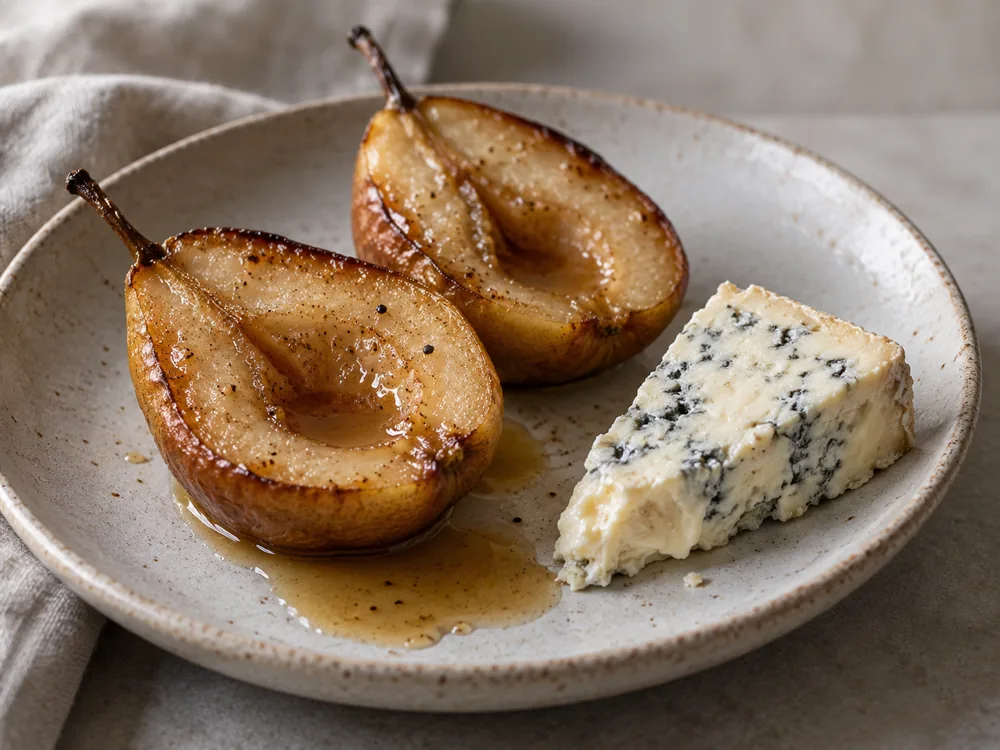
Darlington's idea is to bake pears or apples in the fall and serve them with a soft, room-temperature Stilton, which she calls a warm, luscious pairing.
Why Does Quince Paste Go With Manchego?
Tilaka's answer is geography: quince and Manchego come from the same region. Vallés of Paiarrop, a quince paste maker quoted by Foods & Wines from Spain, says the Manchego and quince pairing carried the paste to other countries, and that any cheese goes well with a good quince paste.
Foods & Wines from Spain adds how quince becomes a paste. The fruit originates in Asia Minor and the Caucasus, is harvested in the fall, mainly in Andalusia, Murcia, and Valencia, and its hard texture, astringency, and high pectin content mean it has traditionally been cooked and sweetened rather than eaten raw.
One producer it quotes, Santa Teresa Gourmet, cooks the fruit very slowly with sugar for 1 hour 35 minutes, and the finished paste has three ingredients: quince, sugar, and lemon juice.
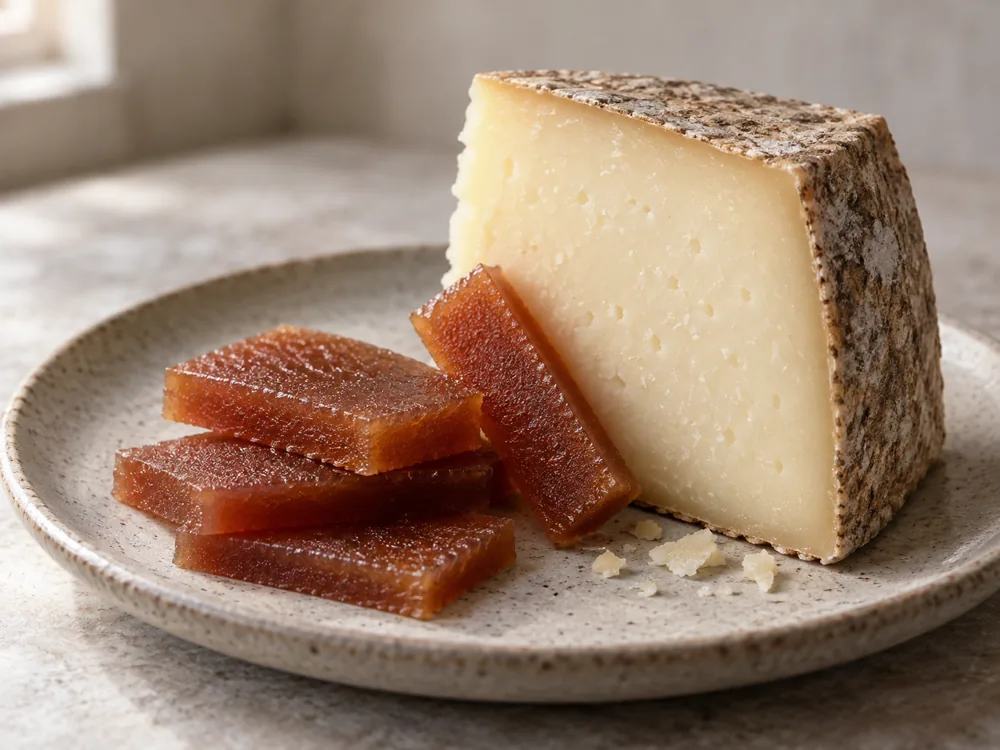
Sherman describes membrillo as a firmer version of French pâte de fruit, a solid jelly that is sliceable and spreadable, so it can be cut into slices to sit beside a wedge.
The paste is not reserved for Manchego. Foods & Wines from Spain lists the Spanish blue cheeses Valdeón and Cabrales among the options, and its two producers describe the paste on toast, in sandwiches, with meats, and in salads.
Kitty Keller of KL Keller says her quince paste is particularly fond of Manchego, Ossau-Iraty, or Colston Bassett Stilton. Her version contains espelette pepper, which The Cheese Professor says adds a spicy note that cuts the sweetness.
How Does the Season Change the Fruit Choice?
Darlington keeps fresh fruit for its season and pairs it with her lighter, softer, less-aged cheeses. As winter approaches she moves to stronger, harder, more flavorful cheeses and opens jars of apricots, dates, and figs.
Sherman makes the same point from the pantry side: the harvest brings fresh fruit and nuts, and also dried fruit that was picked in summer, with fall the season for raisins, dates, and figs.
Cabot Creamery makes the link from the farm side, calling fruit and cheese pairings a chance to eat locally and celebrate what is in season.
Persimmons arrive in the same months. Sherman says the harder Fuyu type can be sliced, has a crunchy texture like an apple, and pairs with almost any cheese.
Darlington says the high fat of sheep's-milk cheese lets it stand up to astringent, tannic fruit such as persimmons. Sherman recommends the Sweet Pumpkin persimmon, which needs no peeling, with bloomy-rind cheeses such as Tomales Farmstead Creamery Kenne, a goat's-milk cheese she calls fluffy and creamy with a delicate rind.
How Else Can You Serve Fruit and Cheese Together?
Cabot Creamery treats fruit and cheddar as a dish as well as a board. Four of the five ideas below cook the fruit and one is a raw salad; all five come from that one producer's suggestions for its own cheddars, so they show how fruit can work with cheddar in a dish rather than how other cheeses behave.
- Roasted grapes: roasted with olive oil and balsamic, then spooned onto crostini with chunks of cheddar.
- Sautéed plums: chopped plums cooked in olive oil, honey, salt, and pepper until warm, poured over a bar of sharp cheddar and served with crackers.
- Poached pears: warm, spiced poached pears topped with grated extra sharp cheddar, a dollop of yogurt, pecans, and dried cranberries.
- Grilled peaches: grilled halves topped with grated cheddar, honey, chopped nuts, and basil.
- Strawberry spinach salad: a classic salad with chunks of cheddar added.