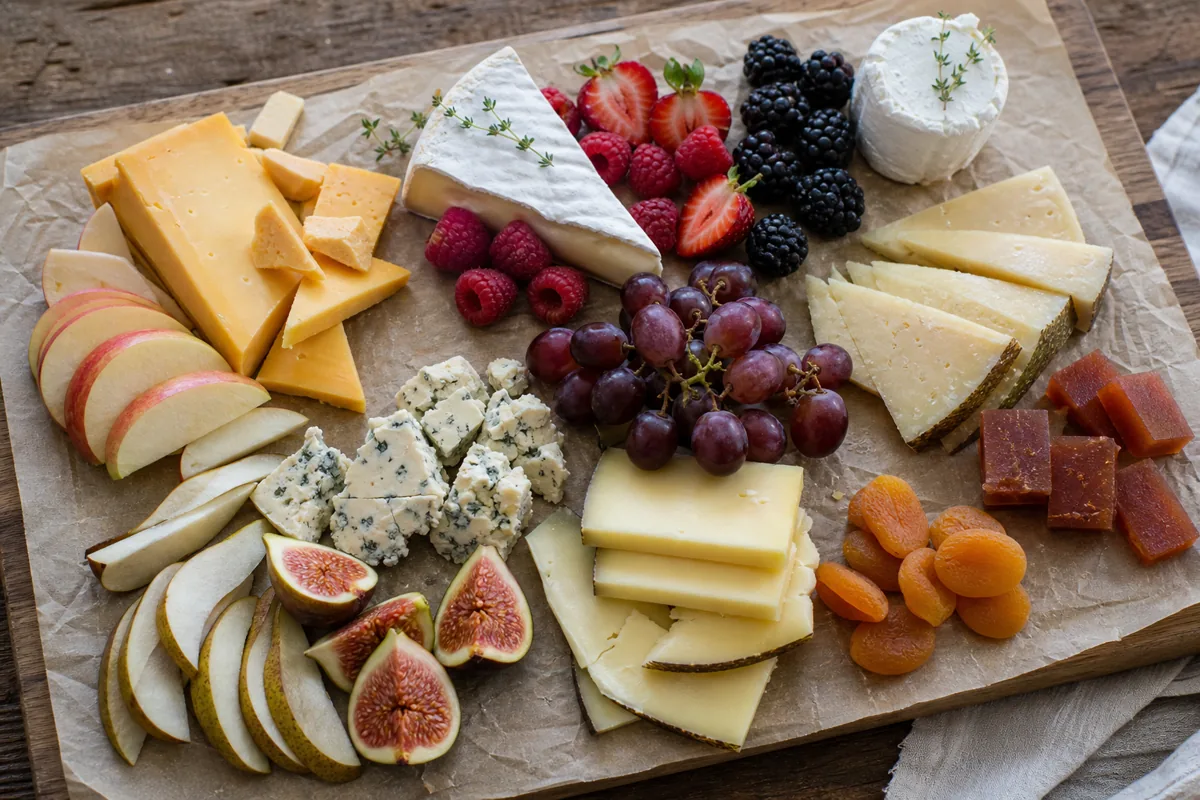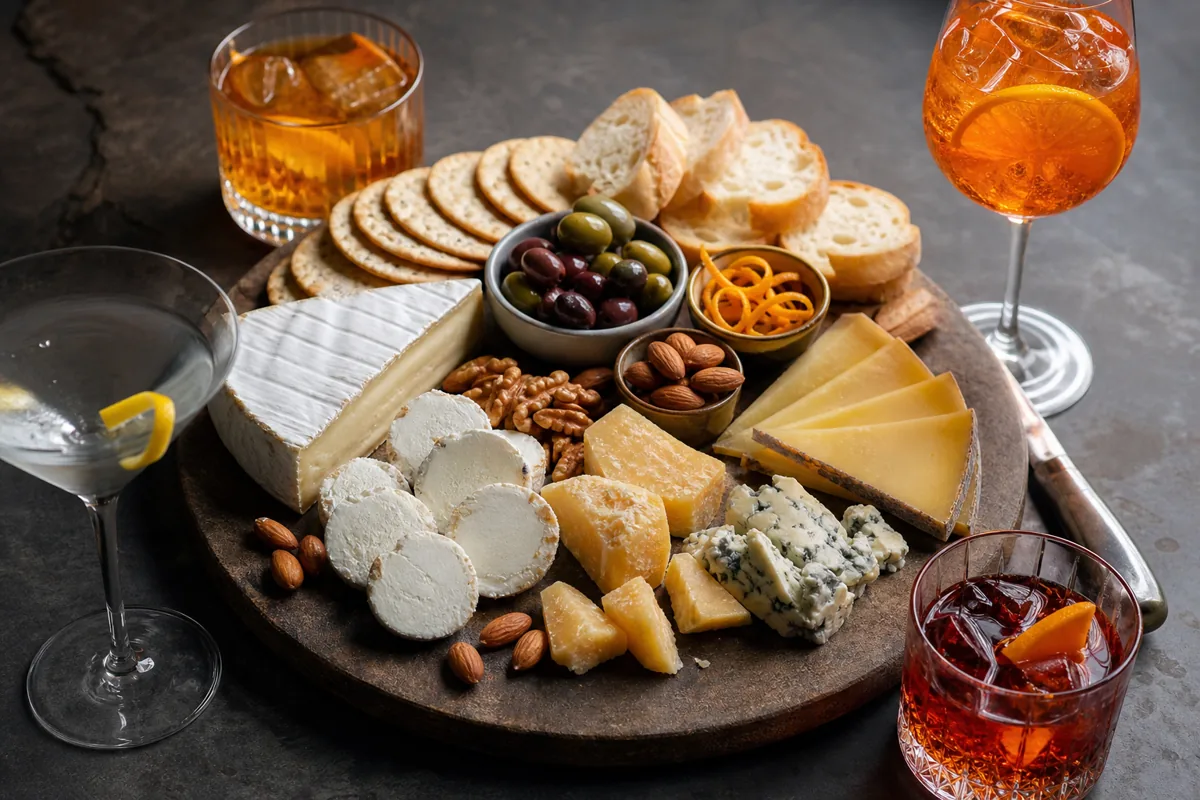
The pairings below come from a Cheese.com blog post, the Wisconsin Cheese and Castello sites, Culture magazine and Food Republic, and they rarely agree on one cheese for one drink.
Only Wisconsin Cheese and Castello state a method, and both start from the cocktail's base spirit and its texture, with Wisconsin Cheese adding strength. Cheese.com, Culture and Food Republic simply name a cheese for each drink.
In This Article
Which Cheese Goes With Which Cocktail?
Each row names the cheeses one source or several sources suggest for a drink, so the table shows which matches have more than one backer.
| Cocktail | Cheese, and who names it |
|---|---|
| Negroni | Raclette (Cheese.com); aged Gouda (Wisconsin Cheese) |
| Boulevardier | Roelli Cheese Haus Dunbarton Blue (Culture, Linni Kral) |
| Aperol Spritz | Brie or Parmesan (Food Republic, Chad Galer) |
| Gin and tonic | Brie or double crème, and blue cheese (Castello); a young creamy blue (Wisconsin Cheese) |
| Gin sour | Mild double crème or aged Gouda (Castello) |
| Herbal gin fizz | Goat's milk triple crème or fresh chèvre (Culture, Molly Farrar) |
| The Last Word | 18-month Mimolette (Culture, Linni Kral) |
| Martini | Taleggio, or Brie with olives (Cheese.com); Parmigiano Reggiano (Culture, Frank Caiafa) |
| Bloody Mary | Parmigiano Reggiano (Culture, Rocco Rainone); dry aged cheese, parmesan or mozzarella (Castello) |
| Manhattan | Harbison (Cheese.com); sweeter mature cheese or blue cheese (Castello) |
| Old Fashioned | Alpine-style cheese, aged Gouda or aged cheddar (Wisconsin Cheese); mild white-mold, firm aged or blue cheese (Castello) |
| New York Sour | Brie with dates or dried fruit (Cheese.com) |
| Sazerac | Meadow Creek Dairy Grayson (Culture, Linni Kral) |
| Sidecar | Tomme Crayeuse (Culture, Linni Kral) |
| Daiquiri | Gouda (Cheese.com); grilled bread cheese, juustoleipa (Wisconsin Cheese) |
| Hemingway Daiquiri | Veigadarte Casado goat cheese (Culture, Linni Kral); triple crème Brie (Culture, Michael Tuohy) |
| Margarita | Manchego (Culture's heading); a Basque-style sheep's milk cheese (Culture's text, quoting Martin Johnson on Basque sheep cheeses); GranQueso (Wisconsin Cheese) |
In this table Brie appears under five drinks (Aperol Spritz, gin and tonic, martini, New York Sour and Hemingway Daiquiri), blue cheese and Gouda under four each, and Parmesan under three, so those are the cheeses that come up most often.
Raclette, Taleggio, Harbison, Mimolette, Manchego and the other specific names appear once each, as one source's suggestion rather than a pairing that several sources repeat.
How Do You Choose a Cheese for a Cocktail?
Wisconsin Cheese, drawing on an interview with pairing author Jeanette Hurt, starts with the base spirit because it is the most prominent flavor in most cocktails. Mild gin suits a range of delicate cheeses, while oaky bourbon, rum and whiskey pair better with aged, nutty cheeses that can take up smoke and spice.
The second test is intensity. Wisconsin Cheese says a delicate fresh mozzarella would be overwhelmed by a scotch-based cocktail where a 10-year aged cheddar would hold up, and that higher alcohol generally means a harder pairing.
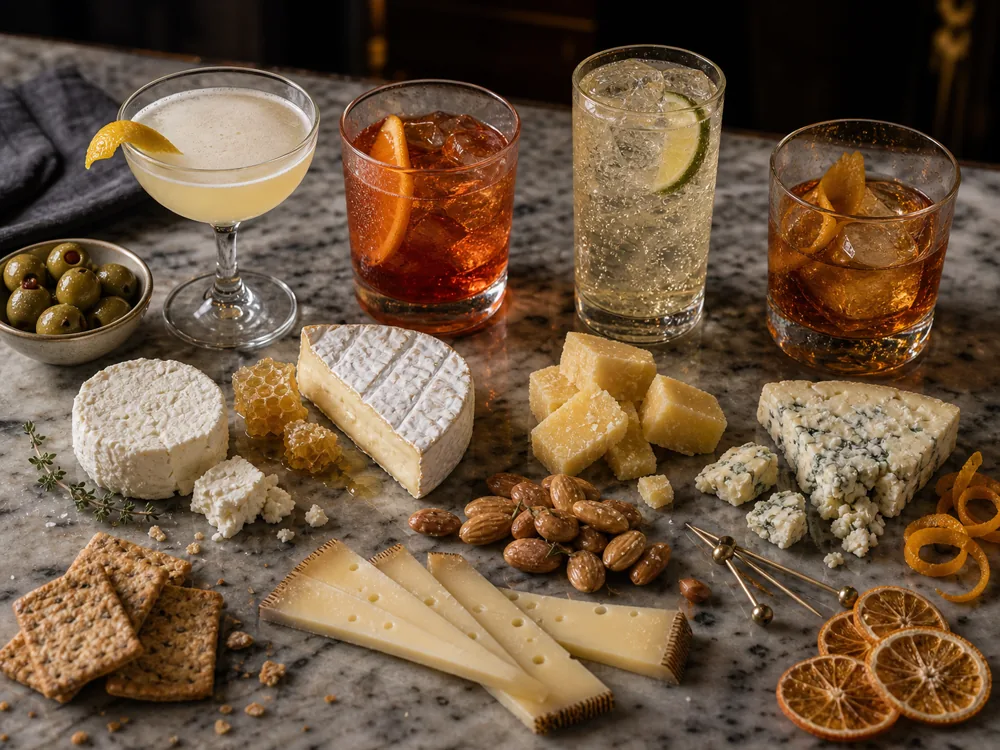
Texture is the third lever. Hurt's rule of thumb, as Wisconsin Cheese reports it, is that similar textures pair more easily, although contrast can work too.
Frank Caiafa, who wrote The Waldorf Astoria Bar Book as the hotel's bar director, told Culture that the best cocktails for cheese contain a fortified wine such as sherry or vermouth. In his view the wine bridges the gap between the strength of the cheese and the strength of the base spirit.
| Base spirit | Cheese styles named | Source |
|---|---|---|
| Gin | Mild white-mold cheese, lightly smoked cheese, aged Gouda, blue cheese, goat's milk cheese | Castello |
| Rum and tequila | Sweeter cheeses and cheeses usually served with sweet condiments, such as hard aged cheese, Gouda, Havarti and blue cheese | Castello |
| Whisky and cognac | Flavorful, slightly sweet cheeses, with mild cheeses also working | Castello |
| Bourbon, rum and whiskey | Aged, nutty cheeses | Wisconsin Cheese |
Vodka sits outside the table because Castello says it has little flavor of its own, so the other ingredients in the drink decide the cheese. Castello also notes that gins differ, some dry and others sweet and very floral, which changes both the cocktail and the cheese that suits it.
The two sources give rum different advice: Castello points to sweeter cheeses and those served with sweet condiments, while Wisconsin Cheese groups rum with bourbon and whiskey and points to aged, nutty cheeses.
Choose by base spirit first, then by intensity: a stronger, higher-alcohol drink needs a firmer, more flavorful cheese. Texture can match or contrast.
What Cheese Goes With a Negroni or Aperol Spritz?
Cheese.com matches a Negroni with Raclette, a semi-hard cheese from France and the Swiss Alps that it describes as yellow, creamy and smooth, slightly nutty and acidic.
Wisconsin Cheese picks aged Gouda instead. Its reasoning is that what the Negroni lacks in richness aged Gouda has in abundance, which gives a fruit-and-nut aroma and a light, refreshing finish.
Linni Kral in Culture calls the Boulevardier, made with bourbon, Campari and sweet vermouth, essentially a bourbon Negroni dating to 1927, and pairs it with Roelli Cheese Haus Dunbarton Blue. The zesty, nutty drink cuts through the cheese's fudgy, nut-buttery and sharp complexity.
The three picks differ in milk, texture and rind, yet each is a rich cheese with a nutty note, and none is fresh or delicate. Whichever one a host buys, the shared logic is a rich, nutty cheese set against the drink's bitterness.
The Aperol Spritz gets two very different answers from cheese expert Chad Galer, a microbiologist and vice president of product innovation at Dairy Management, Inc., in an interview with Food Republic.
Galer calls the spritz light, sweet, bitter and fruity. Brie is creamy, buttery and earthy, and mild enough to mellow the bitter citrus, while Parmesan is sharp, nutty, tangy and bold, so the sweetness of the Aperol balances it.
What Cheese Goes With Gin and Tonic?
Castello says a gin and tonic generally pairs with soft, creamy cheeses such as Brie and double crème, where the gin brings out floral notes in the cheese and the bitterness of the tonic rinses the palate. It adds that blue cheeses also take on lovely floral notes beside a gin and tonic.
Wisconsin Cheese goes straight to blue and specifies a young creamy blue, naming Hook's Cheese Original Blue and Roth's Buttermilk Blue as examples. Rich, fatty blues contrast with a botanical gin, and the tonic's bitterness washes the finish away, so every bite tastes as good as the first.
The two sources lead with different cheeses but agree on the mechanism: the tonic clears the palate between bites, so a rich cheese does not build up.
Culture's 2014 pairing list offers a herbal gin fizz with a goat's milk triple crème such as Nettle Meadow Farm Kunik, a mixed-milk, mold-ripened round made with goat's milk and Jersey cow's cream. The citrusy notes of the drink would also suit the tang of a fresh chèvre.
For The Last Word, a gin, Green Chartreuse, Luxardo Maraschino and lime cocktail from the Detroit Athletic Club around 1915, Kral picks 18-month Mimolette. The drink's sweet grass, wild herbs and citrus lift the cheese's subtle caramel quality and craggy texture.
What Cheese Goes With a Martini or Bloody Mary?
Cheese.com says a martini made with dry gin works well with cheese and names Taleggio, which it calls one of the oldest and softest cheeses made in Italy, as a match for any martini, vodka versions included. The same page adds that Brie goes with olives and a gin martini.
Caiafa's own favorite, in Culture, is a martini with a few savory shards of Parmigiano Reggiano.
The Bloody Mary leans the same savory way. Castello suggests cheeses traditionally served with tomatoes, meaning dry aged cheeses or Italian ones such as parmesan and mozzarella, and says a little olive oil on the cheese, or a few drops in the drink, fits the theme.
Rocco Rainone of Di Bruno Bros. in Philadelphia pairs a Bloody Mary with Parmigiano Reggiano in Culture's 2014 list. His version is garnished with parmesan-stuffed Kalamata olives and anchovies, and the brine and salt balance the drink's spiciness.
What Cheese Goes Best With Whiskey?
The sources split on the Manhattan. Cheese.com pairs it with Harbison, a soft creamy cheese that it says is buttery enough to go with the drink's spicy caramel flavor, while Castello says a Manhattan suits sweeter, mature cheeses and also blue cheese, whose sharp mold taste the drink mutes somewhat.
A soft cheese and a mature one are opposite answers to the same glass. Cheese.com concedes that the whiskey and vermouth flavor can be strong.
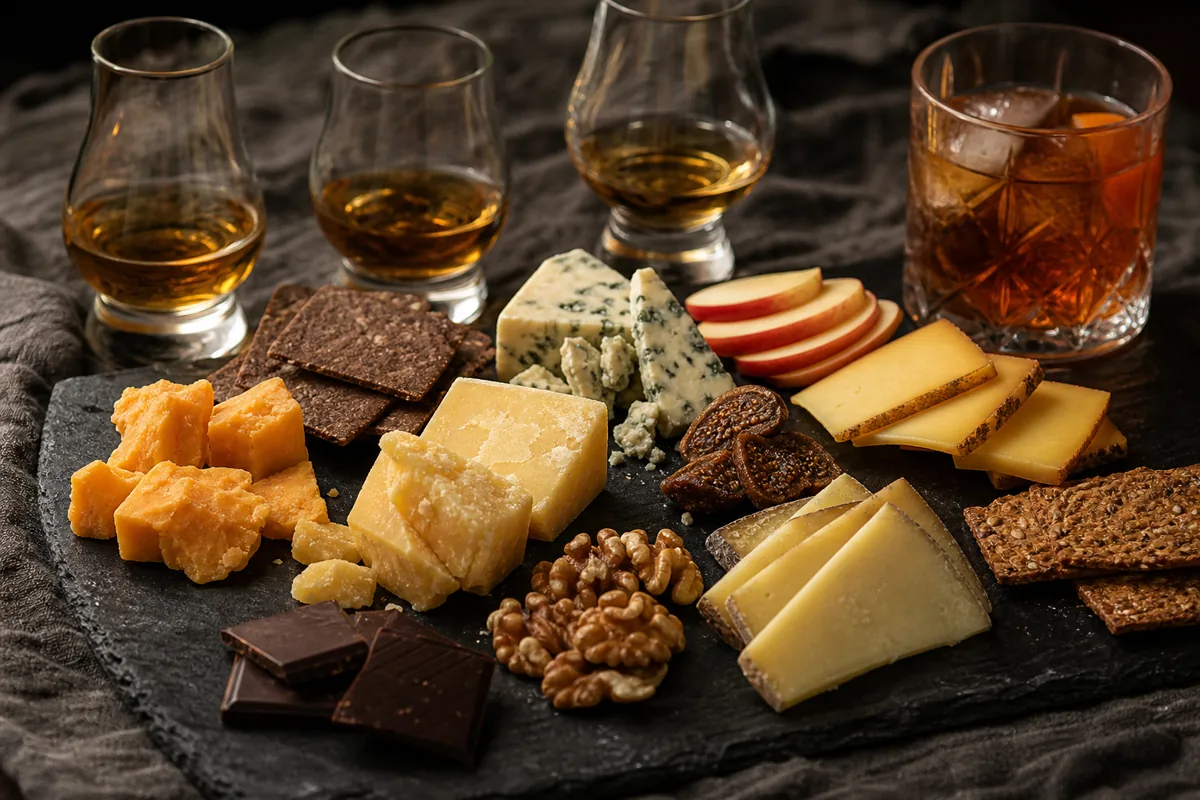
Castello describes the Old Fashioned as bourbon with orange rind and Angostura bitters, and says its sweetness and caramel notes suit cheeses from mild white-mold types to firm aged and blue ones.
Wisconsin Cheese picks an alpine-style cheese, saying whiskey balances the nutty, full-bodied flavor and the sugar and bitters round out each bite. Its FAQ on the same page also lists a hardy aged cheddar and aged Gouda for an Old Fashioned.
Wisconsin Cheese adds that Wisconsin prefers its Old Fashioned made with brandy rather than rye or bourbon, and suggests trying both.
Kral matches a Sazerac, made with rye, absinthe, Peychaud's bitters and a sugar cube, with Meadow Creek Dairy Grayson, because both are a little Southern, a little French and a good deal funky.
She sets a Sidecar of cognac, orange liqueur and lemon beside Tomme Crayeuse, saying the sweet-and-sour drink washes down the cheese's chalky, earthy profile.
Cheese.com's New York Sour, a whiskey sour topped with dry red wine, goes with Brie. The match depends on dates or dried fruit, which it says help the cheese's subtle flavor work with the wine, and the page calls the combination an acquired taste.
What Cheese Goes With Margaritas and Daiquiris?
Cheese.com pairs a rum daiquiri with Gouda, which it says has just enough tropical flavor, and suggests a little lemon zest. Wisconsin Cheese offers a wild card: Jeanette Hurt says juustoleipa, a bread cheese, goes well with rum drinks, especially when grilled with pineapple to bring out the tropical notes.
The Hemingway Daiquiri of white rum, Luxardo Maraschino, grapefruit and lime gets two answers from Culture. Kral says its lively acidity cuts through the mouth-coating paste of Veigadarte Casado, an ash-ripened Spanish goat cheese, and warns that Hemingway's own double-rum order was not the cheese-friendliest version.
In 2014, chef Michael Tuohy of Block Butcher Bar in Sacramento paired his version, made with blonde rum, with a triple crème Brie such as one from Marin French Cheese Co. The tang of grapefruit and lime cuts the butteriness of the cheese.
Both reasons are the same, citrus acid against a cheese that coats the mouth, and only the cheese differs.
Culture's 2014 entry for the margarita is headed Manchego, but the buyer it quotes, Martin Johnson of Gastronomie 491 in New York City, speaks only of Basque sheep cheeses, so Manchego is the magazine's label for the pairing.
Johnson calls the margarita the ultimate test of the concept that Basque sheep cheeses pair with anything and everything, and the article says a nibble of a buttery Basque-style sheep's milk cheese is a great way to end the dry cocktail.
Wisconsin Cheese pairs the margarita with GranQueso, a Manchego-inspired cheese from Roth Cheese that is hand-rubbed with cinnamon and paprika before aging. It is firm, semi-hard and slightly tangy with notes of honey, and the lime acidity cleanses the palate between bites.
Do Frothy and Creamy Cocktails Work With Cheese?
Kral left milk punches, Mai Tais, the Ramos Gin Fizz, egg-white sours, flips and anything else that leans creamy off her list of cheese-friendly classics. Her reason is that such drinks can feel like palate overkill beside the richness of cheese.
Castello takes the opposite view of one of them. Its gin sour, made with lemon juice and frothy egg white, goes with a mild double crème or an aged Gouda, whose caramelized notes contrast with the acidity and floral taste of the gin.
Castello also states a texture rule: a creamy cheese suits a less creamy cocktail, and a firm, crumbly cheese suits a frothy one.
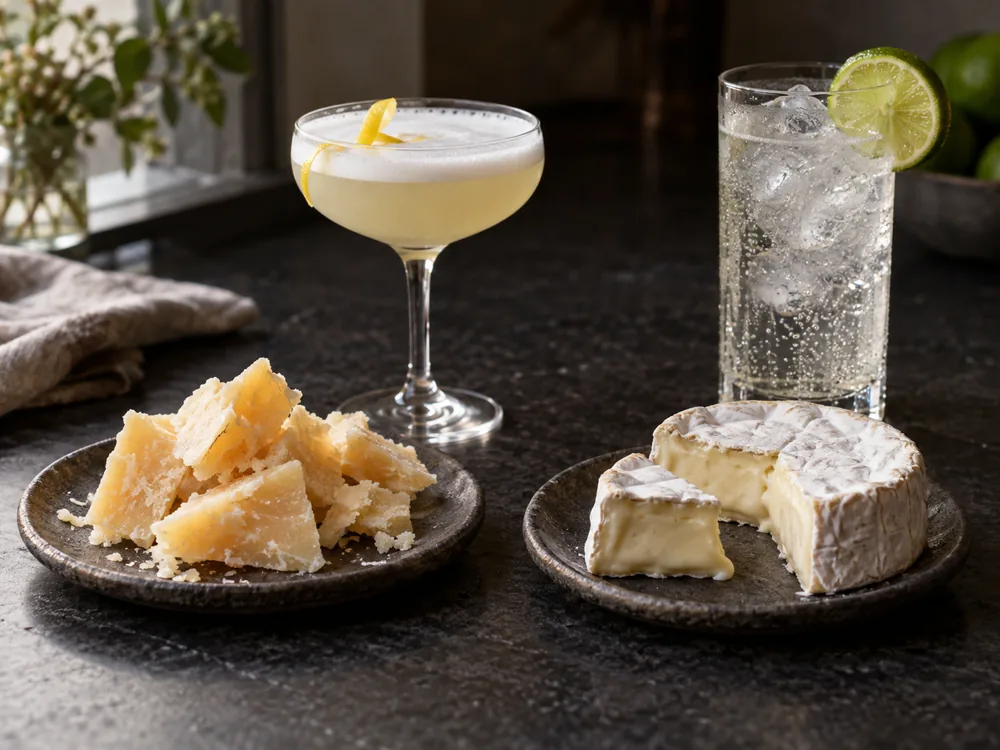
Castello's double crème pick for the gin sour runs against its own rule, since the sour is frothy and a double crème belongs with the soft, creamy cheeses Castello names for the gin and tonic. Its other pick, aged Gouda, is not on that list, so it does not raise the conflict.
How Do You Serve Cheese at a Cocktail Party?
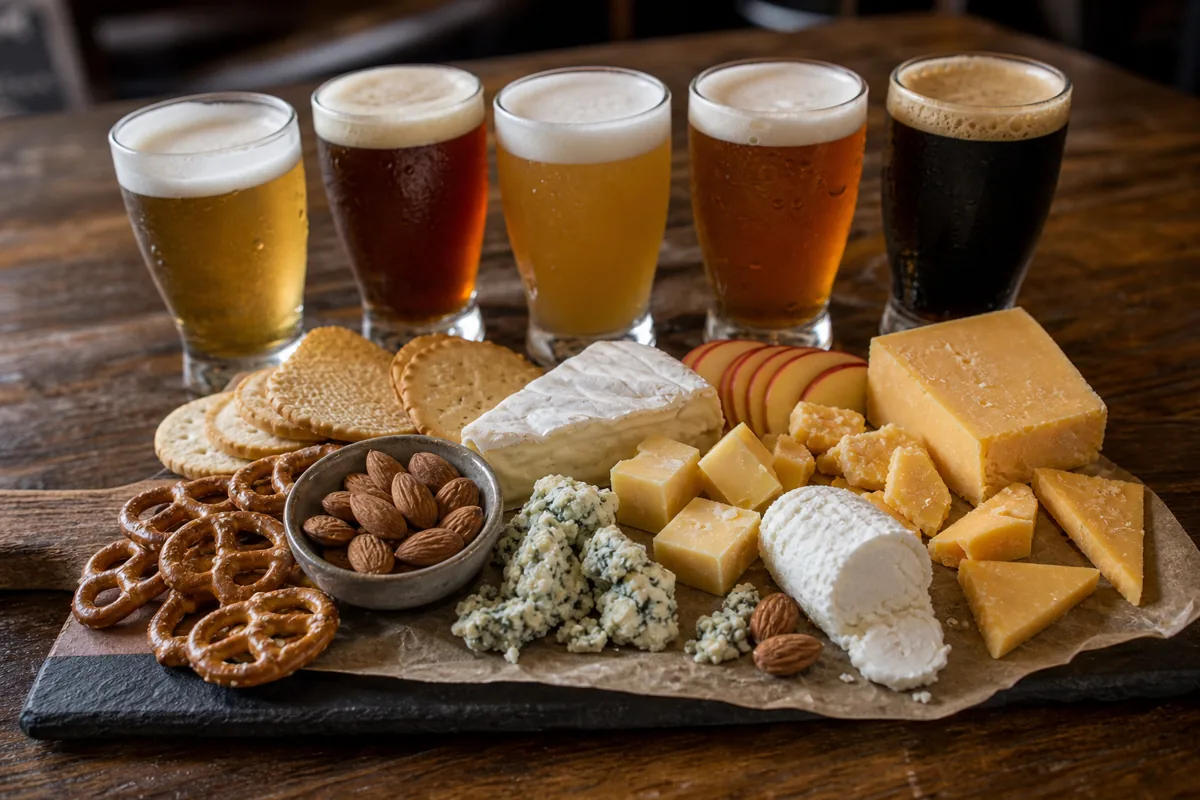
Beemster, a Gouda maker, advises serving beer or wine plus one batch of a signature cocktail to save bar space, and limiting any liquor to two or three varieties.
Club soda as a mixer and lively garnishes such as rosemary and lemons, which can double as a centerpiece, complete the bar in Beemster's plan, and a bowl of nuts or crackers on the bar is a subtle reminder to eat along with the drinks.
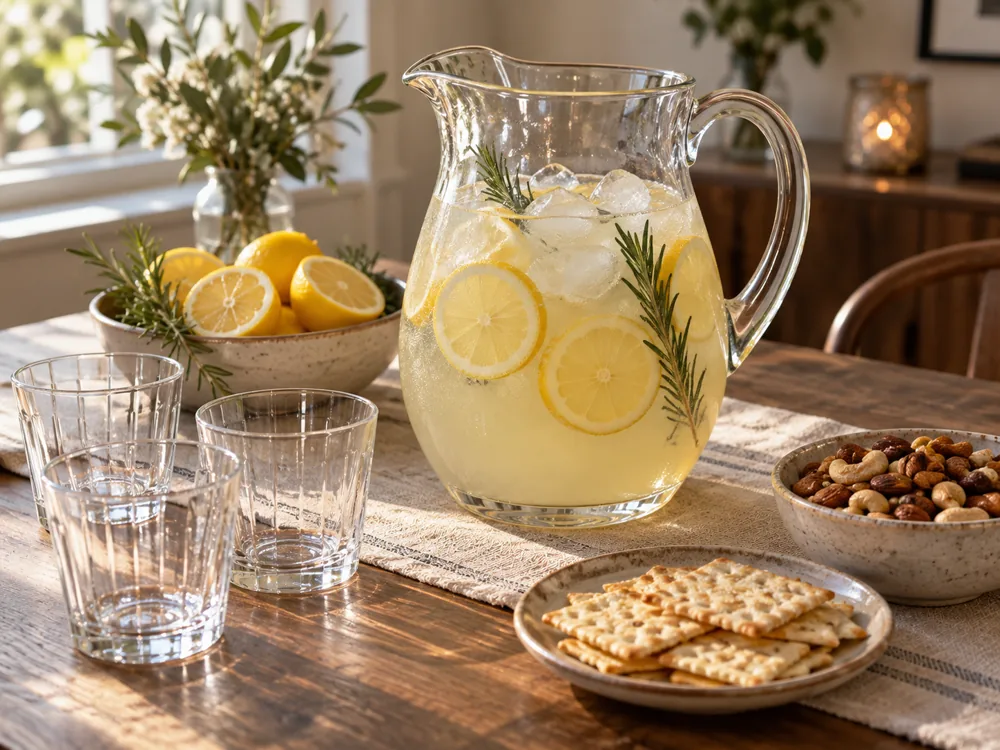
Beemster recommends food that takes one hand and no utensils, so guests can eat standing, and it lists what a cheese board for such a party should hold.
- Cheeses made from different milks, and interesting aged varieties
- Smoked Goudas and extra-aged, firm cheeses
- Young, grassy, soft cheeses
- Mild favorites with a savory, nutty finish
- Fruit, jams, mustards, olives and even chocolate to pair with the cheeses
As our own example rather than a source's rule, a bar of gin and tonic, Negroni and Old Fashioned could draw on a Brie or young creamy blue, an aged Gouda or Raclette, and an alpine-style cheese, using the matches named above.
Castello adds that not every cocktail suits every cheese, and recommends testing the cheeses against the cocktails ahead of the party.