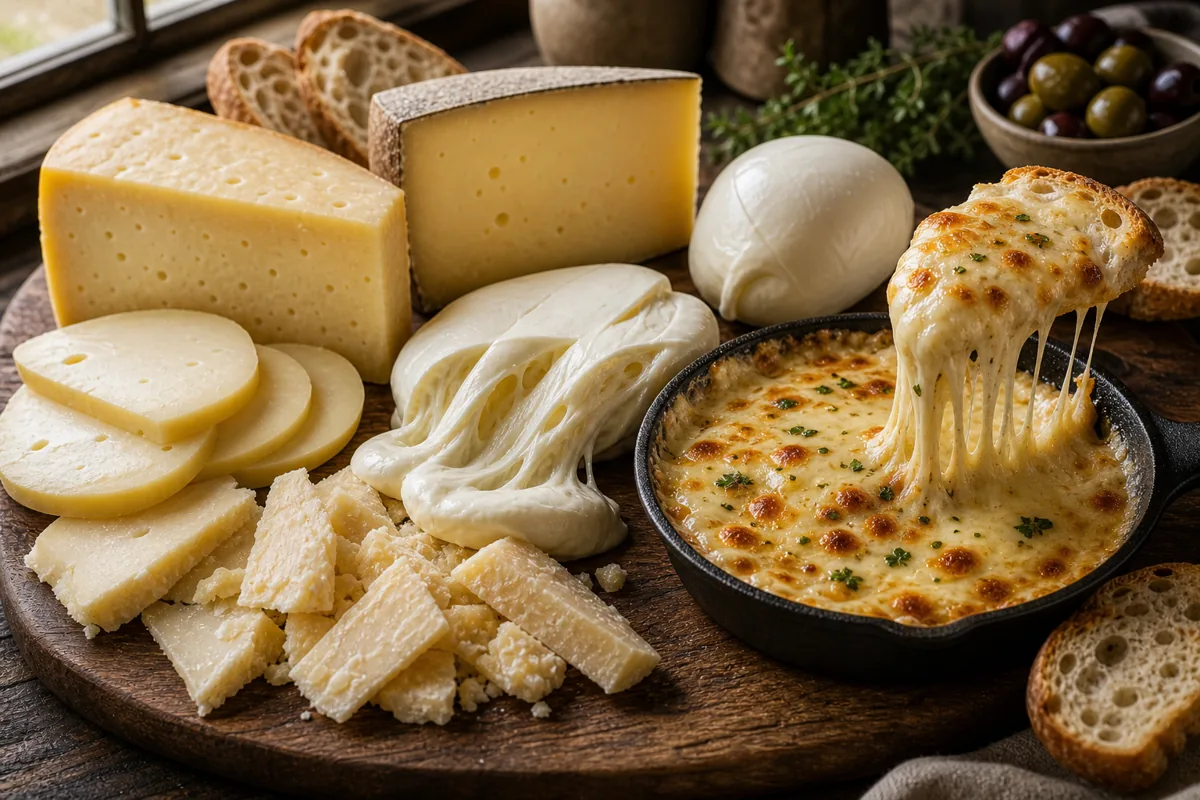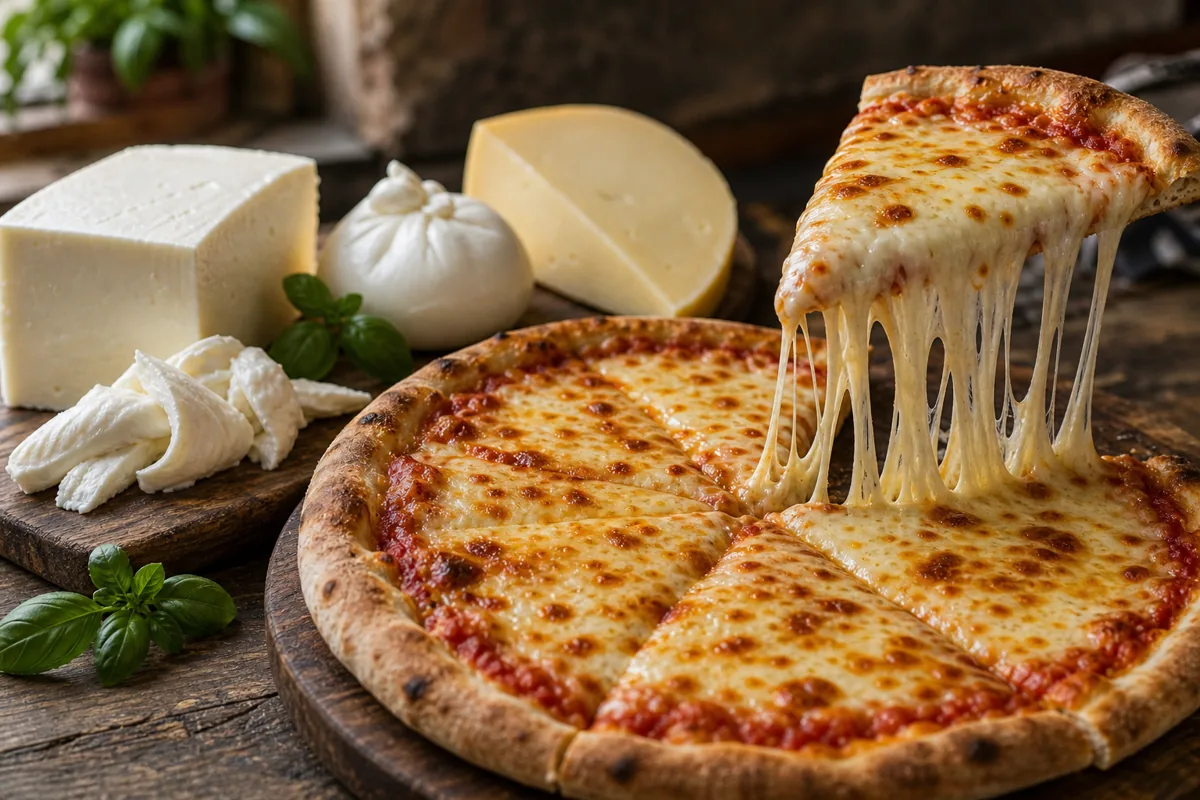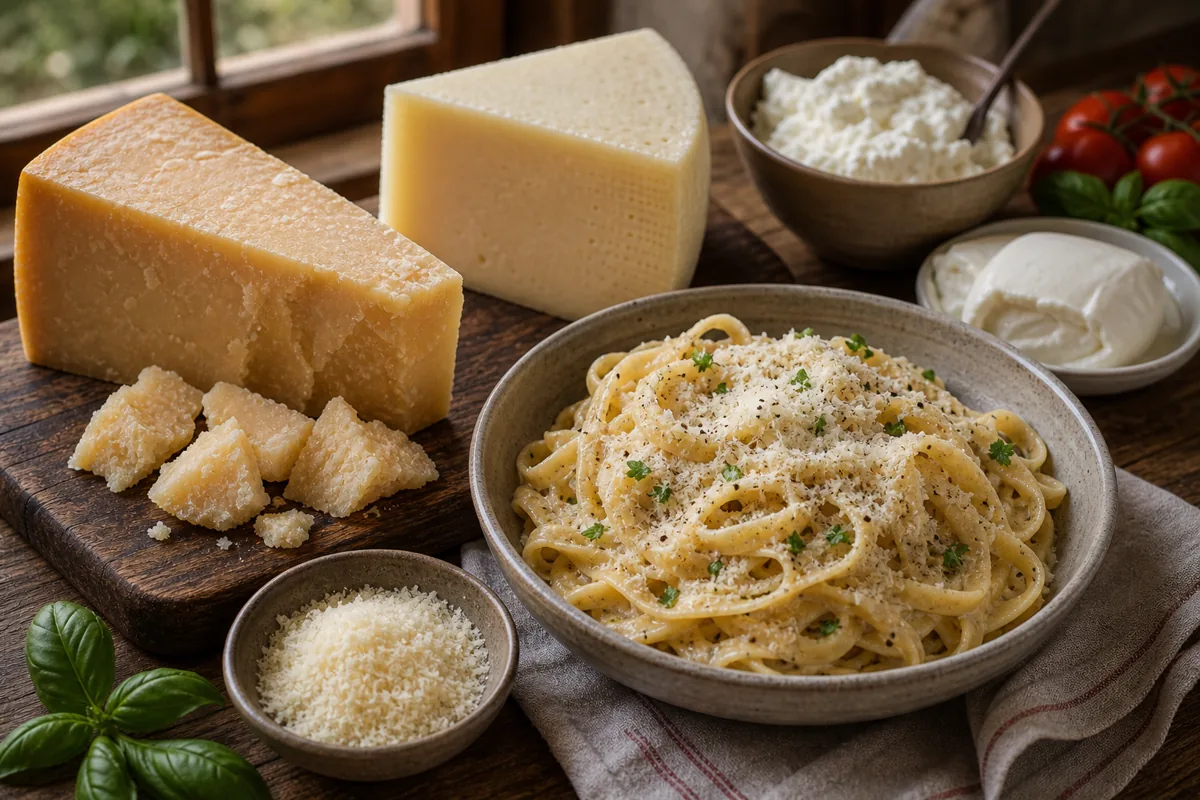
Parmigiano-Reggiano is the best overall cheese for pasta because it finishes more pasta dishes than anything else. Roman pasta wants Pecorino Romano, and baked pasta works best when you split the job across ricotta, mozzarella, and a hard grating finish.
The mistake is looking for one pasta cheese that does every job. Pasta asks cheese to do at least four different things: finish, emulsify, fill, and melt.
A cheese that is perfect for cacio e pepe can be the wrong move in baked ziti, and the cheese that makes a smooth gratin can disappear on a simple tomato pasta. Pasta is less about one best wedge and more about matching texture to the dish.
Once you match the cheese to the pasta job, the shopping gets a lot easier. The right wedge matters, but the right role matters more.
Start with the cooking method.
Is the cheese going on top, turning into a sauce, filling a layer, or baking under heat? That one question keeps Parmigiano-Reggiano, Pecorino Romano, ricotta, mozzarella, Gruyere, and Fontina from competing for the same job.
In This Article
Why Does Pasta Need Four Different Cheese Jobs?
Parmigiano-Reggiano is still the best overall pasta cheese because it handles the broadest share of those jobs. It brings savory depth to tomato pasta, cream pasta, butter sauces, stuffed pasta fillings, and baked tops without taking over the plate.
But the right answer changes once the pasta asks for something narrower. Roman emulsions want sharp Pecorino Romano.
Baked pasta wants a three-cheese structure. Cream-heavy gratins behave better with smoother melters like nutty Gruyere or buttery Fontina.
If you cook pasta often, keep two cheeses around before anything else: Parmigiano-Reggiano for finishing and Pecorino Romano for Roman dishes. Add ricotta or mozzarella only when the recipe truly needs them.
That setup is smaller than most people expect, but it covers far more pasta than buying five random wedges that all want the same job.
This order measures usefulness across pasta jobs, not which cheese sounds most luxurious at the counter.
- Finishing job: Parmigiano-Reggiano
- Roman emulsion job: Pecorino Romano
- Baked filling job: ricotta
- Baked melt job: low-moisture mozzarella
The ranking is about how many pasta jobs each cheese can handle, not about prestige alone. That is why a beautiful blue or washed-rind cheese can still rank low here.
Pasta rewards useful behavior more than cheese-shop romance.
| Pasta job | Best cheese move | Why it works |
|---|---|---|
| Finish a bowl | Parmigiano-Reggiano, grated fine | Small amount adds salt, nutty depth, and umami without changing the sauce base. |
| Roman emulsion | Pecorino Romano off heat | Sharp sheep's-milk flavor and starchy water build the dish identity. |
| Baked pasta | Ricotta plus low-moisture mozzarella | One cheese fills, while the other melts and helps the layers set. |
| Cream sauce or gratin | Gruyere or Fontina | Smoother melt gives body without gritty hard-cheese clumps. |
Why Is Parmigiano-Reggiano the Best Finishing Cheese for Pasta?
Parmigiano-Reggiano is the wedge we would buy first because it fixes the widest range of pasta. It can finish a simple butter noodle, add body to a cream sauce, deepen a tomato sauce, and crisp into a baked top.
That flexibility comes from concentration. The cheese has already lost enough moisture that a small shower of it brings clear salt, nuttiness, and umami.
You do not need thick slices or big chunks for it to matter.
Use it where the sauce already has a clear base. Tomato sauce, buttered pasta, mushroom pasta, and simple olive-oil dishes all benefit from a final grating because the cheese sharpens what is already there instead of becoming the whole sauce.
| Attribute | Parmigiano-Reggiano | Pecorino Romano |
|---|---|---|
| Milk | Cow's milk | Sheep's milk |
| Main pasta job | Finishing and broad utility | Roman emulsions and sharper punch |
| Flavor | Nutty, savory, layered | Saltier, tangier, more aggressive |
| Best use | Everyday pasta wedge | Specific Roman role |
| Swap risk | Low in most non-Roman dishes | High if used everywhere |
The comparison matters because people often blur these two cheeses into one idea called "grated Italian cheese." In practice, they do different work on the plate.
Parmigiano-Reggiano is the better generalist. Pecorino Romano is the better specialist.
Fresh-grated Parmigiano-Reggiano also works better than canister Parmesan because it still melts and seasons at the same time. The pre-grated version can make the sauce feel dusty rather than richer.
Grate it finer for sauces and slightly coarser for finishing.
Fine shavings disappear faster into hot pasta water. Larger flakes are better when you want the cheese to land as a visible final bite.
Why Is Pecorino Romano Essential for Roman Pasta?
Cacio e pepe, carbonara, amatriciana, and gricia all depend on Pecorino Romano because the cheese is part of the sauce identity, not just the garnish. The sheep's-milk sharpness is what keeps those dishes from tasting flat.
This is where "close enough" usually disappoints. You can swap in Parmigiano-Reggiano and still make dinner, but the dish moves away from its Roman profile fast.
It becomes milder, rounder, and less pointed.
For Roman pasta, grate Pecorino Romano very fine and toss it off the heat with starchy pasta water. Coarse shreds plus direct heat are the fastest road to clumps.
- Cacio e pepe: Pecorino carries both the salt and the body
- Carbonara: Pecorino stands up to egg yolk and guanciale fat
- Amatriciana: Pecorino keeps tomato sauce from tasting too sweet
- Gricia: Pecorino is the flavor backbone once the guanciale renders
If this is the style you cook often, buying the correct cheese is more useful than buying a third random pasta cheese. Roman pasta is one of the clearest cases where the name on the wedge changes the final dish in a big way.
Timing matters as much as the wedge. Add Pecorino off heat, then toss with hot pasta and reserved pasta water until the sauce loosens.
If the pan is still roaring hot, the cheese can clump before it has time to emulsify.
Which Three Cheeses Does Baked Pasta Need?
Baked pasta is where home cooks most often underbuild the cheese structure. One cheese rarely does the whole job well.
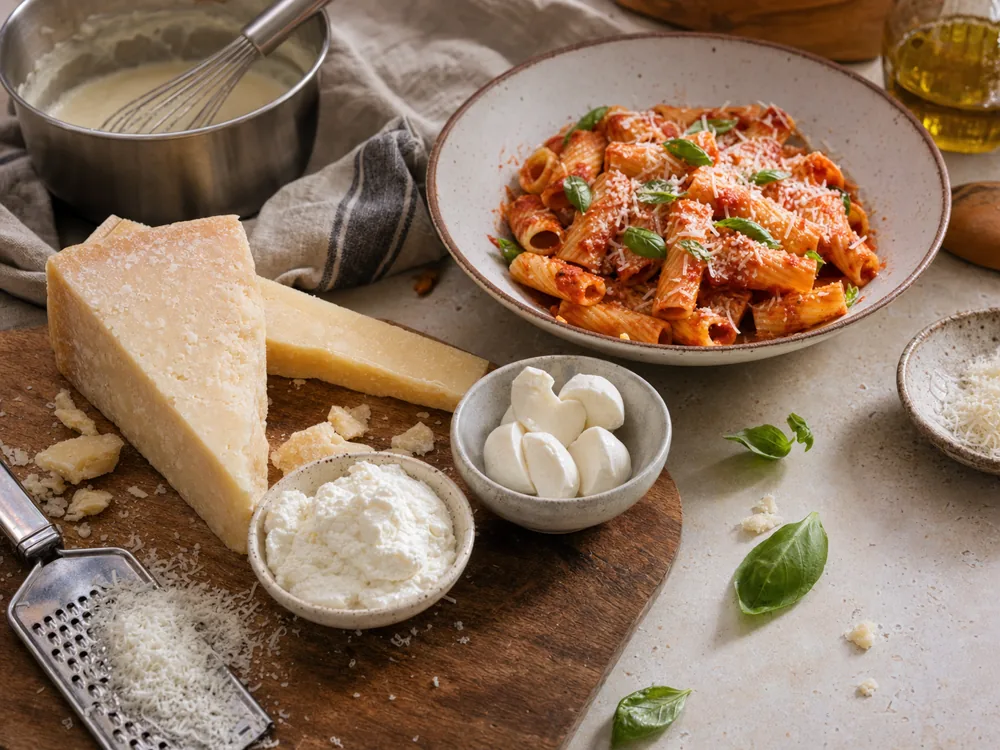
Whole-milk ricotta gives you the filling layer. Low-moisture mozzarella gives you the melt layer.
Parmigiano-Reggiano gives you the top finish and extra savoriness.
Those jobs should stay separate. Ricotta brings moisture and softness, but it cannot give the stretchy top people expect.
Mozzarella melts and pulls, but it does not season the filling enough by itself. Parmigiano-Reggiano ties the layers together with salt and browned flavor.
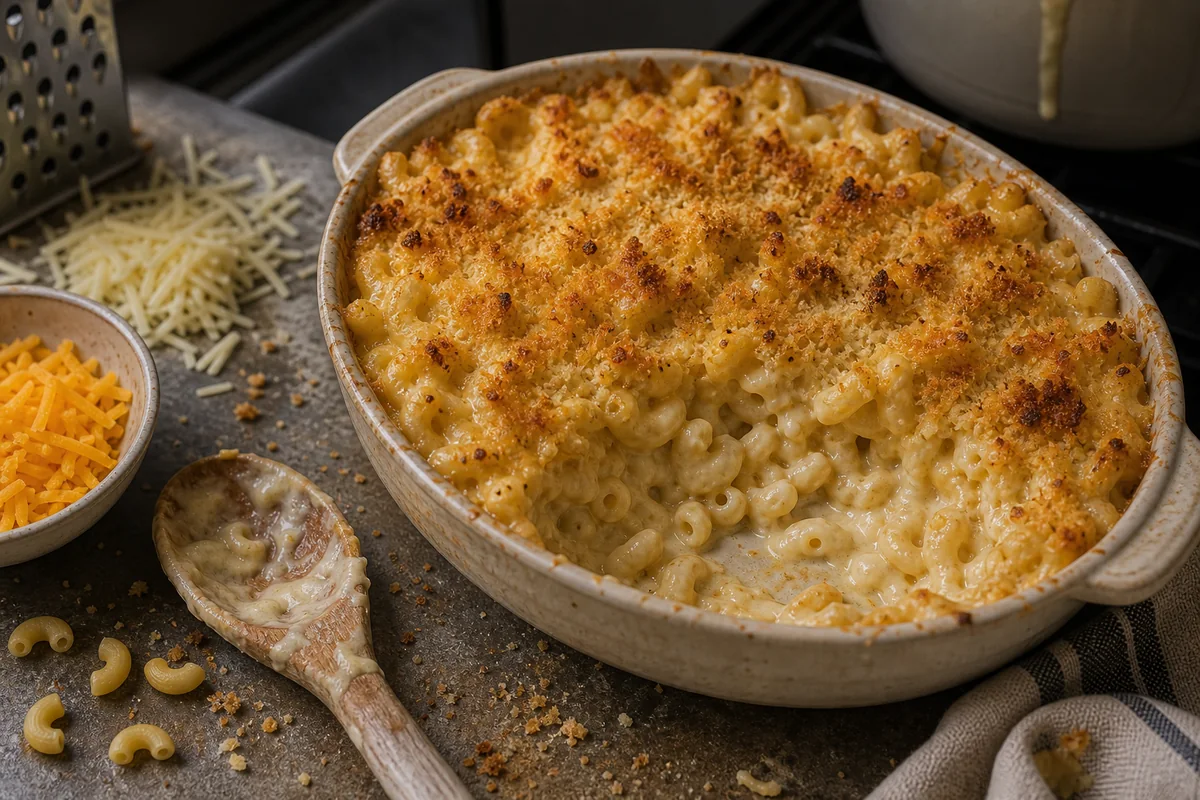
That three-part logic is also why mac and cheese cheese choices do not automatically transfer here. Mac cares about sauce stability first.
Lasagna and baked ziti care about layers, set, and reheating behavior.
For baked ziti, fold ricotta into part of the pasta instead of leaving it in dry pockets. For lasagna, season the ricotta layer before assembly.
A bland filling will stay bland even if the top browns beautifully.
What Are the Best Cheeses for Creamy Pasta and Gratin Sauces?
When the cheese is entering cream or milk, smooth melt matters more than edge or tang. This is where Gruyere and Fontina earn their place.
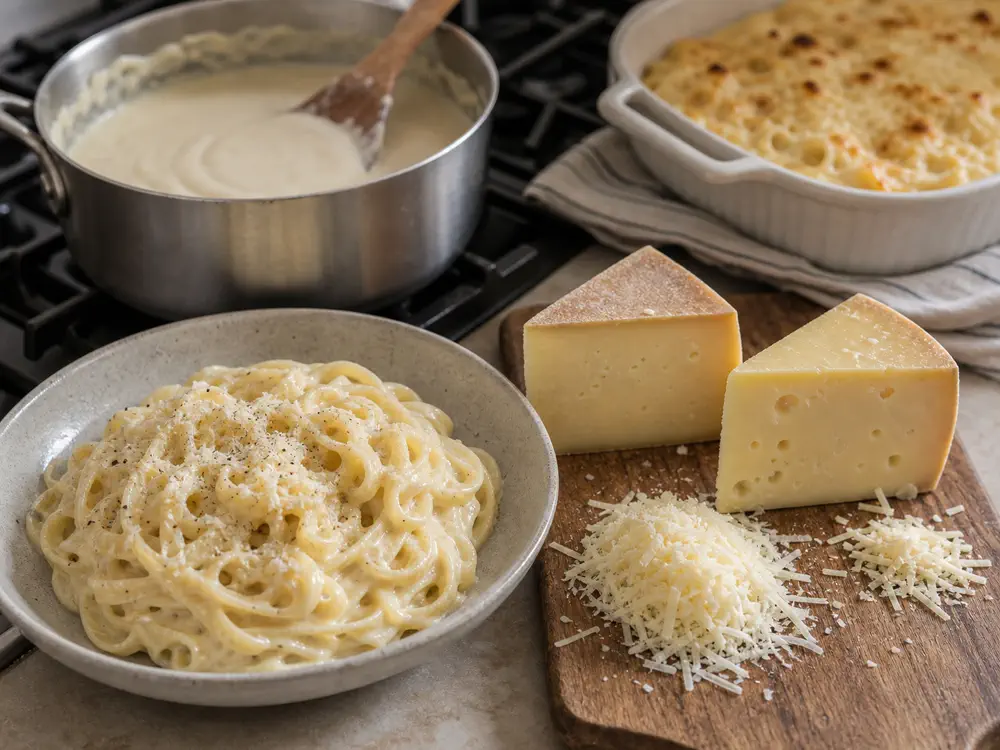
Both cheeses dissolve more calmly into a sauce than very sharp cheddar or very old hard grating cheeses.
Gruyere brings more nuttiness. Fontina brings a softer buttery feel that lets mushrooms, spinach, or herbs stay in the lead.
The mistake is treating every creamy sauce like macaroni and cheese. Pasta sauces usually need less cheese and more movement.
Add the cheese gradually, loosen with pasta water, and stop before the sauce turns heavy enough to coat the fork like dip.
- Use Gruyere when the pasta wants more nutty depth and a slightly richer finish
- Use Fontina when you want the sauce smoother and quieter under mushrooms or greens
- Use a creamy blue like Gorgonzola Dolce only when the whole dish is built around that stronger flavor
If you want the clearest contrast between creamy and sharp, compare a Fontina-heavy sauce with a Pecorino-heavy Roman sauce once. They are solving entirely different pasta problems even though both involve grated cheese.
The broader smooth-melt cheese ranking helps when the recipe is mostly about flow and stretch. Pasta stays trickier because sauce integration and finishing still matter after the melt itself.
How Does Grate Size Change the Result in Pasta?
Grate size changes the result almost as much as cheese type.
Fine grating is better when the cheese has to emulsify with pasta water. Larger shavings are better when the cheese is meant to stay visible on the finished plate.
Hard cheeses should usually be grated just before cooking. They keep more aroma, dissolve more predictably, and avoid the dusty texture that can come from long-stored pre-grated tubs.
Softer melt cheeses can be shredded, diced, or torn depending on the sauce.
If the cheese has to become part of the sauce, grate it fine and lower the heat. If the cheese is a finishing accent, grate it at the table or just before serving.
That rule also helps with leftovers. A block of Parmigiano-Reggiano or Pecorino Romano stays flexible for many meals, while pre-grated cheese locks you into one texture before you know what the pasta needs.
Why Do Most Pasta-Cheese Failures Come from Heat?
A good wedge can still disappoint if it hits boiling sauce. The proteins tighten, the fat separates, and the cheese either clumps or vanishes into oil.
The fix is simple and boring: reserve pasta water, lower the heat, and add the cheese off the burner. That one move helps almost every pasta style except the baked ones that are heading into the oven anyway.
For Roman sauces, the water should be hot and starchy, but the pan should not be ripping hot. For cream sauces, the dairy gives you a buffer, but too much heat can still turn the sauce greasy.
For baked pasta, the danger moves to dryness, so the filling and sauce need enough moisture before the dish goes into the oven.
Everyday finishing, tomato pasta, butter sauces, baked tops
Use: Parmigiano-Reggiano
It solves the most pasta jobs with the least fuss and gives the clearest savory lift to the widest range of dishes.
Roman pasta and sharper emulsion sauces
Use: Pecorino Romano
It is the correct wedge when the pasta needs sheep's-milk salt, edge, and traditional Roman character.
For most kitchens, the smartest pasta setup is two permanent wedges and two occasional helpers. Keep Parmigiano-Reggiano and Pecorino Romano on hand.
Buy ricotta, mozzarella, Gruyere, or Fontina when the recipe actually asks for their job.
If budget is tight, buy one good hard wedge instead of several mediocre tubs. Parmigiano-Reggiano covers more weeknight pasta than any other single purchase.
Add Pecorino Romano only if Roman pasta is something you actually cook.
Wrapped well, both hard wedges last for weeks. Proper hard-cheese storage matters more than chasing bargains on pre-grated tubs you will not enjoy using.
SOURCES & REFERENCES
What Else Do People Ask About Pasta Cheese?
These are the decisions most people run into once they stop thinking about pasta cheese as one generic category.
Parmigiano-Reggiano is the best overall pasta cheese because it finishes more pasta styles than anything else and adds savory depth without taking over the plate.
It is better for Roman pasta, not for every pasta. Pecorino Romano is sharper and saltier, so it fits cacio e pepe, carbonara, amatriciana, and gricia.
Parmigiano-Reggiano is the broader general-use wedge.
Use ricotta for filling, low-moisture mozzarella for the melt layer, and Parmigiano-Reggiano for the top finish. Each one does a different job.
Usually because it was added over direct high heat or without enough starchy pasta water. Pull the pan off the burner, then add the grated cheese while tossing.
Yes. Both are great in creamy pasta and gratin-style dishes where smooth melt matters more than a sharp finishing bite.