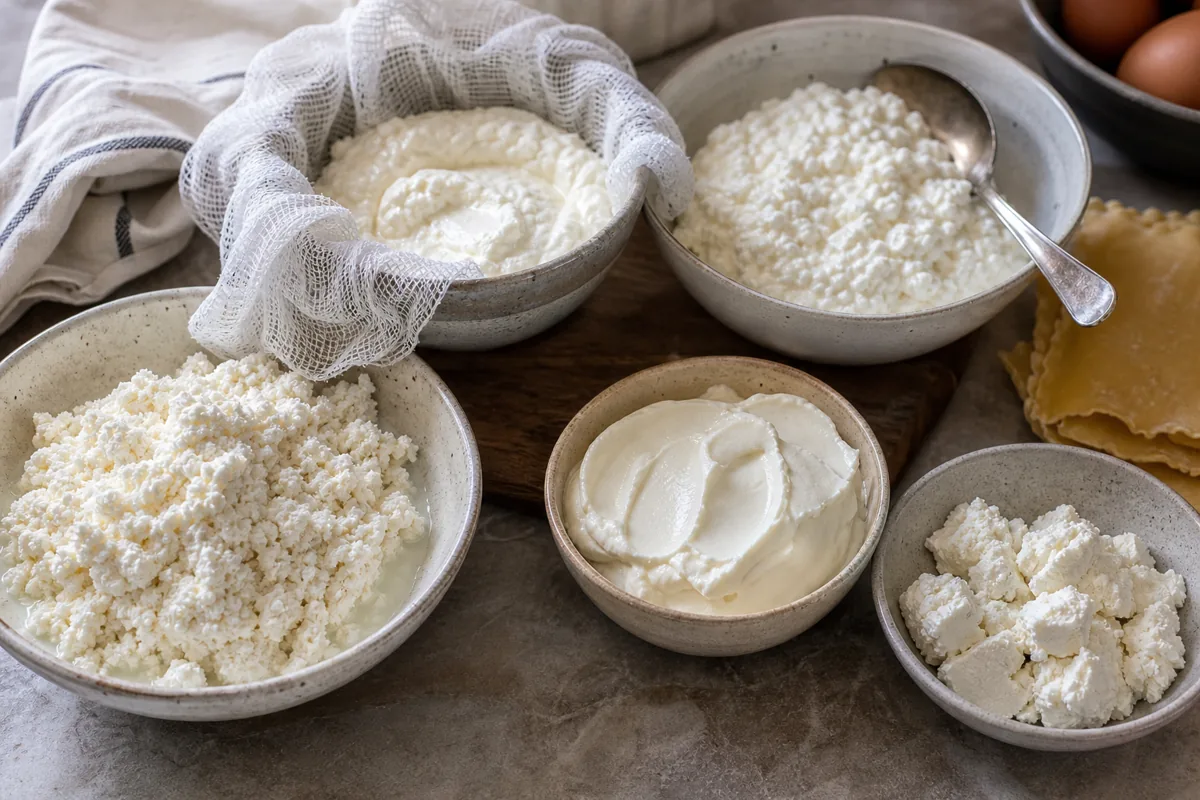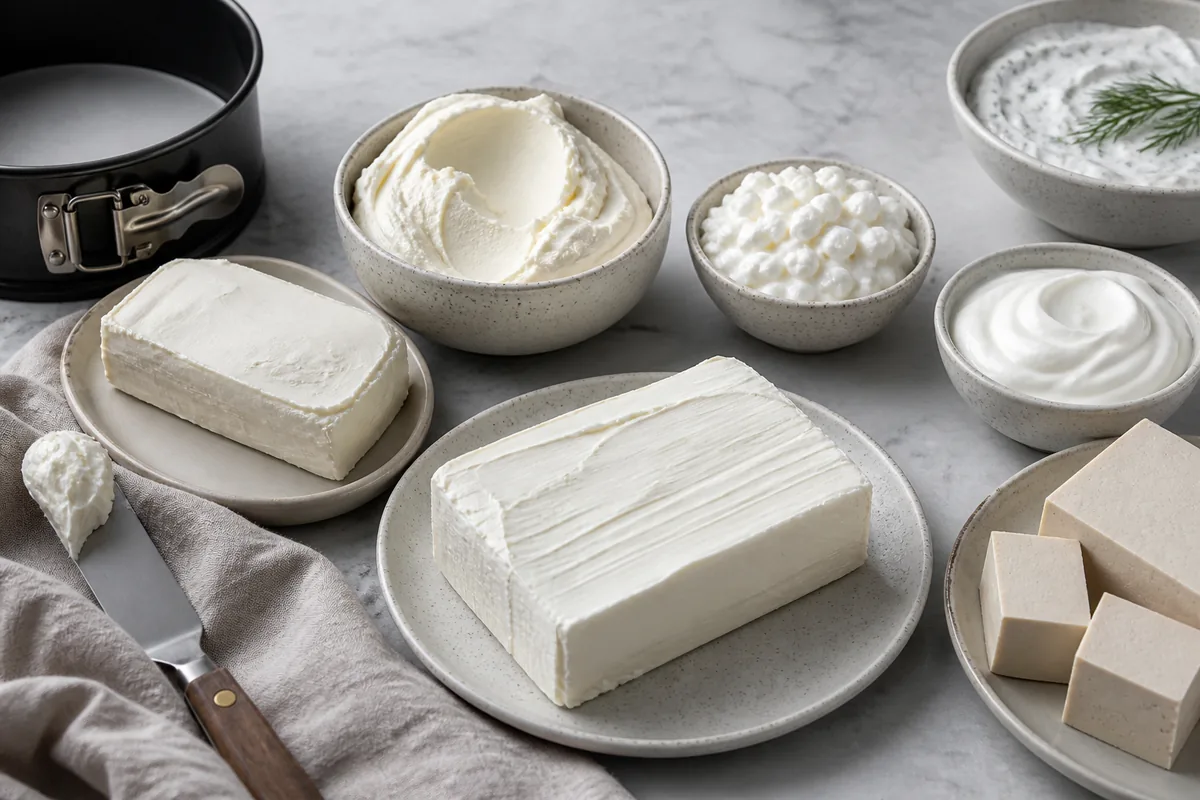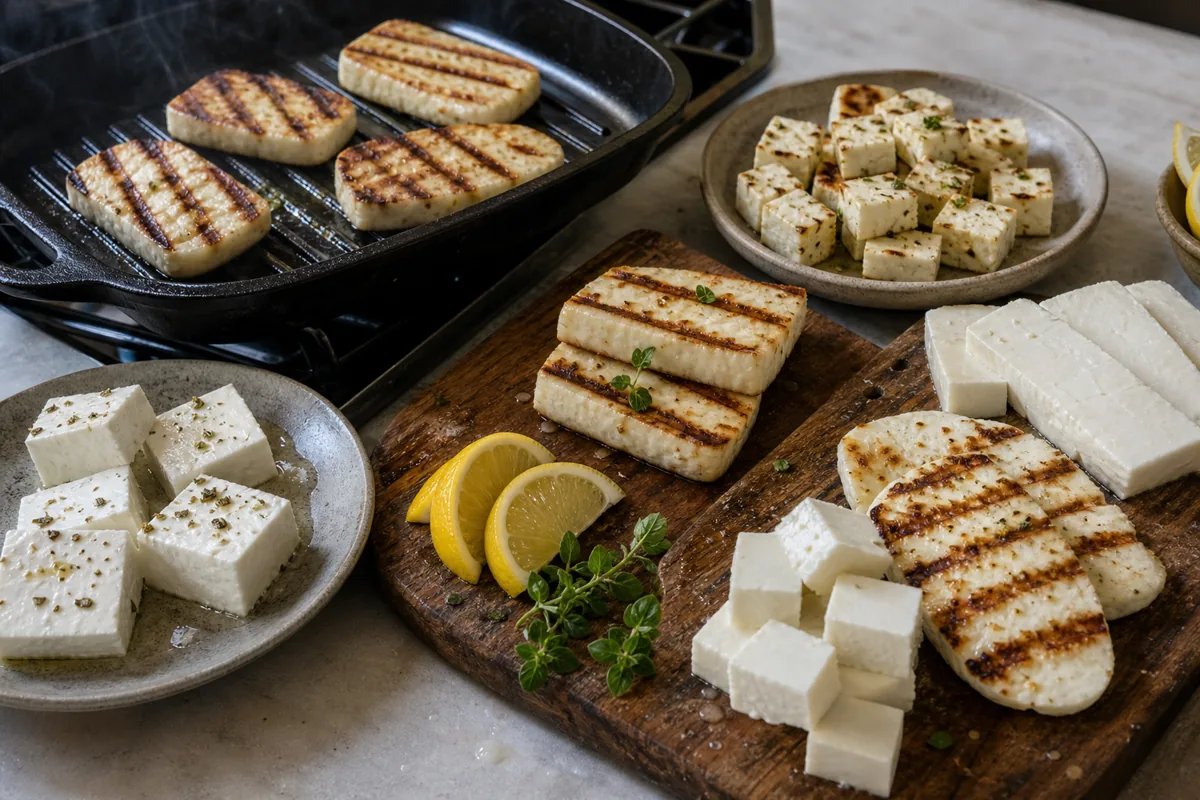
A Halloumi substitute has to pass a harsher test than most cheese swaps. It has to survive a hot pan, stay visible on the plate, and still taste seasoned after browning.
Most cheeses fail that first test. They slump into a puddle in a hot pan, which is exactly what Halloumi is built not to do.
In This Article
7 Halloumi Substitutes: Best Alternatives for Grilling and Frying
Halloumi is asked for because it holds its shape in direct heat, so this list is ranked by how well each cheese survives a hot pan.
Each entry gives what the cheese is, the dish it suits, the adjustment it needs, and the failure with the symptom you see in the pan. Dairy-free options have their own section further down.
| Substitute | What the pan does to it | What it needs from you |
|---|---|---|
| Paneer | Softens, browns, keeps its cube | Salt and acid, because it starts mild |
| Bread cheese | Browns and squeaks, holds a slice | Almost nothing beyond heat |
| Queso de freir | Browns fast, holds firmly | A hot pan and quick turning |
| Kefalotyri | Browns hard, stays firm | Restraint, since it is already salty |
| Queso blanco | Varies by brand, can slump | One test piece before the meal |
| Feta | Softens and crumbles, will not brown | Keeping it off direct heat |
| Queso fresco | Warms without melting or browning | A role as crumble, not centrepiece |
1. Paneer
The best answer for most home cooks, and the one most likely to be in the shop.
It is an acid-set fresh cheese with no melting salts and almost no salt of its own, which is exactly why it softens without leaking into the skillet.
Cut it into thick slabs or cubes, salt it before it goes in the pan, and finish with lemon, chilli, herbs or honey so the mild centre does not taste unfinished. Aim for pieces thick enough to turn with tongs but small enough that seasoning reaches past the surface.
- Cut slabs about 1.5 cm thick, or cubes you can turn without breaking.
- Salt the surfaces and leave them 10 minutes, or marinate if there is time.
- Heat the pan properly before the cheese goes in, so it browns rather than sweats.
- Turn once the underside has colour, not on a timer.
- Finish with acid off the heat, since lemon in the pan stops the browning.
It fails unseasoned, and the symptom is a plate that looks right and tastes of nothing. Thin slices also dry before they brown, while thick slabs stay bland in the middle unless they were salted first.
2. Bread Cheese
The closest match at the table if you can find it, because it is the only common substitute that squeaks.
It is a baked fresh cheese, sold ready to sear, so it arrives closer to Halloumi's finished texture than anything else here.
Treat it as a slice rather than a cube and sear it straight from the packet. It needs less help than paneer, so season lightly and let the browning do the work.
It fails on availability and on brine, and the symptom is a plate that eats well but tastes flatter than expected. Like paneer it carries no brine, so the dish still needs lemon, olives, pickles or salted vegetables to finish.
3. Queso de Freir
The purpose-built frying cheese, strongest on breakfast plates, tostones, plantains and hot sandwiches.
It is made to be fried, so it browns faster than paneer and holds its shape without any preparation.
Get the pan properly hot and turn it quickly, since the speed that makes it good also makes it easy to take too far.
It fails on availability outside Latin groceries, and the symptom in the pan is a piece that has gone past golden to dark before the second side is ready.
4. Kefalotyri
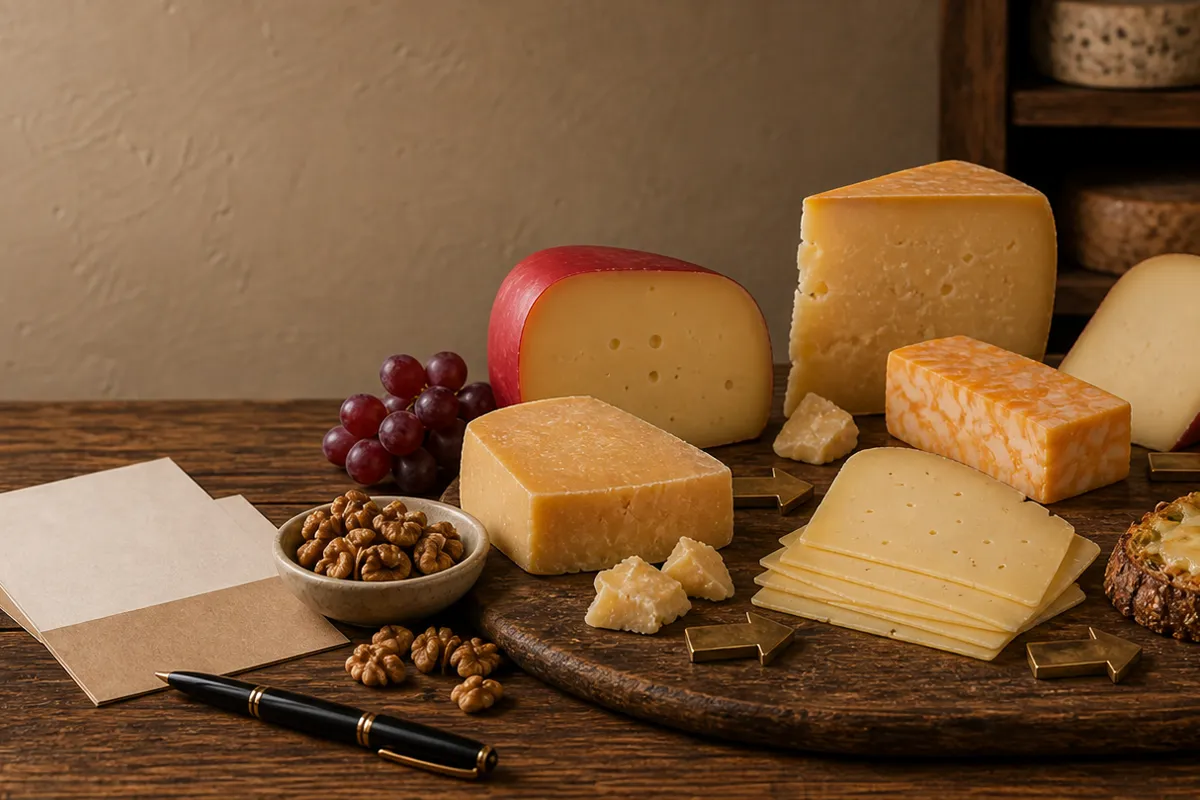
For dishes that can carry a sharper, more aged bite, including saganaki-style frying.
It is a hard Greek frying and grating cheese, saltier and sharper than Halloumi rather than milder.
Cut it thinner than you would cut paneer and add no salt at all until the dish is assembled and tasted.
It fails in a mild dish, and the symptom is a plate where the cheese is the only flavour left. Keep it for recipes that already have strong company.
5. Queso Blanco
A workable option when the frying cheeses are unavailable, but only after a test.
It is a broad category rather than one cheese, so behaviour under heat varies from brand to brand.
Fry one piece before the meal depends on it. If the label does not mention frying, grilling or cooking, treat that as a warning rather than an omission.
It fails unpredictably, and the symptom is a piece that collapses, splits or sticks once the pan is hot even though it looked firm cold.
6. Feta
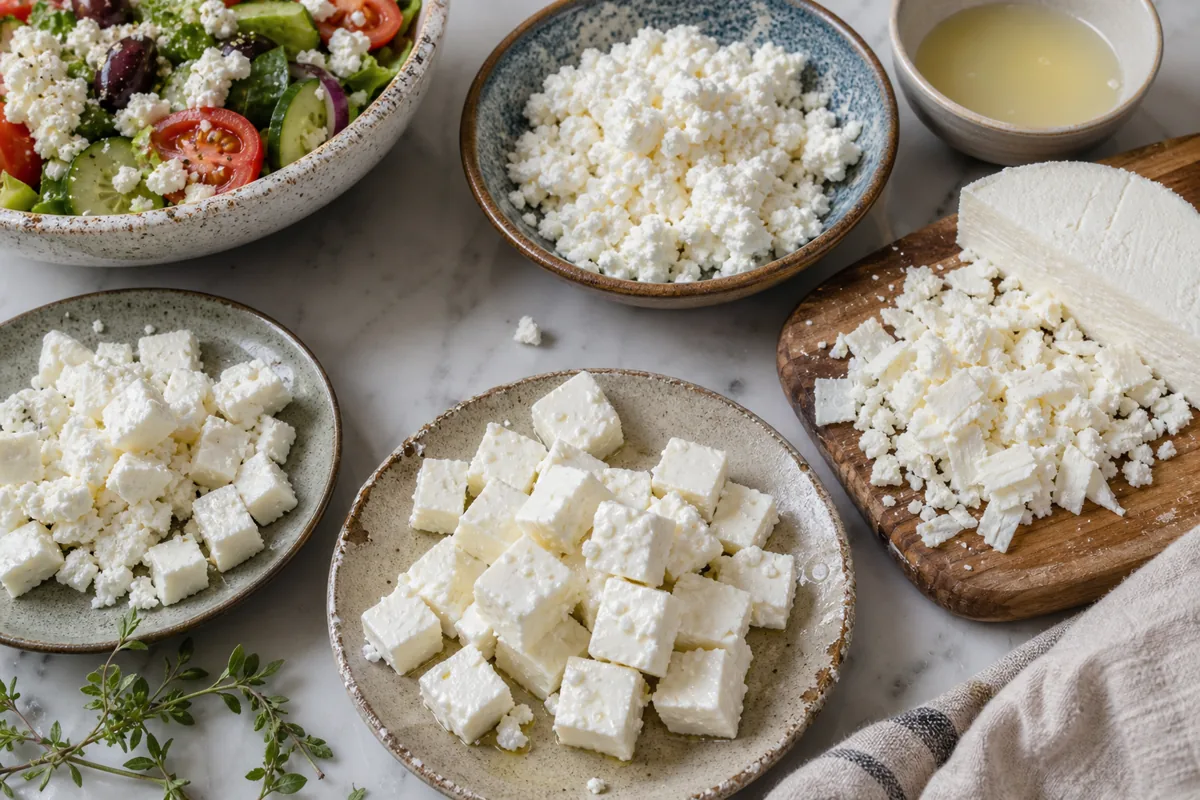
For salads where brine mixing into tomatoes, cucumber, olives or grains is the actual job.
It is a brined cheese that brings the salt Halloumi has, and none of the structure.
Keep it off direct heat and scatter it late, adding it to a warm dish rather than cooking it in one.
It fails the moment a pan is involved, and the symptom is a skillet of softened crumbs instead of browned pieces. It solves the salt problem and then loses the shape problem entirely.
Add feta to a warm dish rather than cooking it in one. Scatter it over the plate after the heat is off, so it softens without disintegrating.
7. Queso Fresco
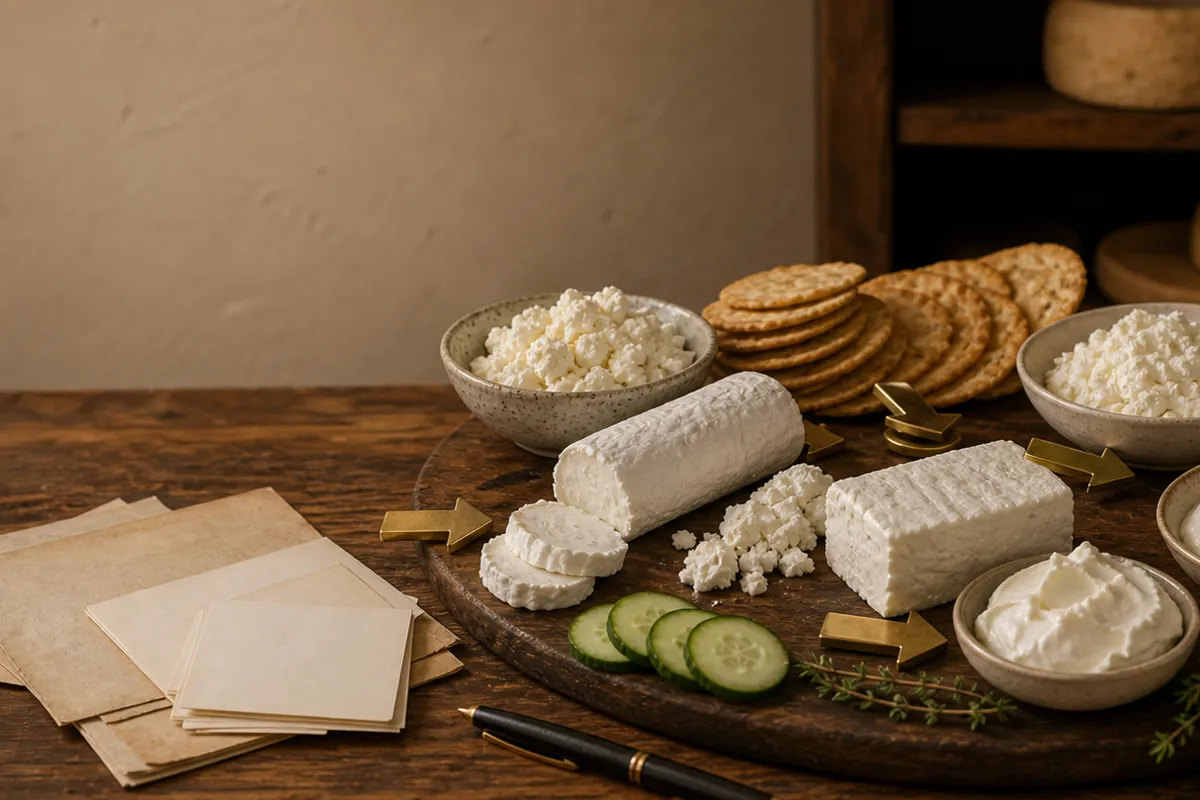
For warm salads and bowls that want softness rather than chew.
It is a fresh crumbling cheese that warms through without melting and without browning.
Use it as a finishing crumble that disappears into the dish a little, rather than as the piece the plate is built around.
It fails as a centrepiece, and the symptom is a dish with no visual anchor where a browned slice should have been.
Why Should You Start with the Heat Test?
Put the pan test first. Paneer wins for most home cooks because it softens without leaking into the skillet, so the finished dish still has cubes or slabs instead of melted dairy.
The tradeoff is flavor. Paneer needs salt and acid because it starts mild, while bread cheese brings a squeakier bite with less work.
Bread cheese is the nicer match at the table. Paneer is the easier answer at the store.
Skewers expose the difference quickly, because paneer can sit in a marinade and stay cubed while bread cheese acts more like a ready-to-sear slice.
Neither one releases Halloumi's brine, so the plate needs lemon, olives, pickles, chili crisp, or salted vegetables to finish the job.
Feta is the common wrong turn. It solves the salt problem, then fails the shape problem as soon as direct heat is involved.
Choose by final plate shape first. If the cheese must stay in a slice, start with paneer, bread cheese, queso de freir, or tofu before you think about feta.
This keeps the swap honest. Halloumi's flavor matters, but its shape after heat is usually why the recipe asked for it.
How Does the Final Plate Shape Change Your Choice?
Before choosing a package, picture the finished plate. A browned piece on top of a salad, a salty crumble through tomatoes, and a firm vegetarian protein in a wrap all ask for different substitutes.
If the plate needs a browned piece, use paneer or queso de freir, a true frying cheese. If the dish needs salt scattered through tomatoes, cucumbers, herbs, or grain bowls, brined Greek crumble is often more useful than a fake Halloumi match.
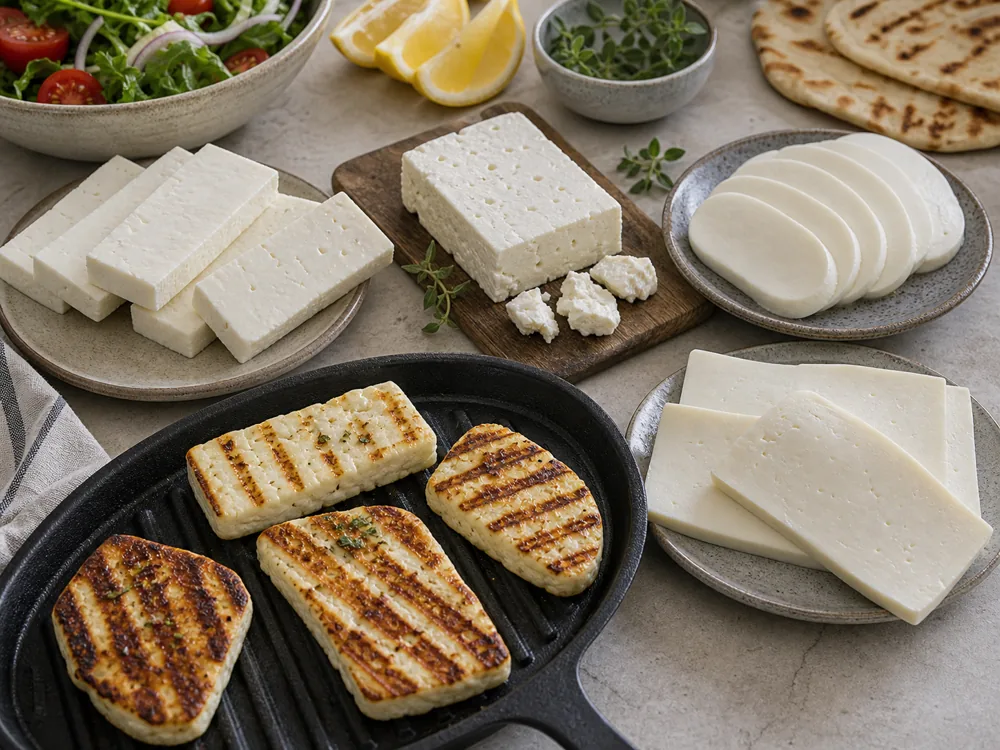
- Visible browned slices: choose paneer, bread cheese, or queso de freir.
- Warm salad pieces: choose paneer when chew matters, or feta when crumble matters.
- Vegetarian skewers: choose paneer or pressed tofu because both can be cubed.
- Briny garnish: choose feta or queso fresco instead of forcing a hot-pan substitute.
The feta and Halloumi split matters only because it protects this decision. They share salt and Mediterranean context, but heat sends them in opposite directions.
Which Substitutes Work Best for Grilling and Skillets?
Treat paneer like something you are searing, not something you are melting. Cut it into thick slabs or cubes, salt it before cooking, then finish with lemon, chili, herbs, or honey so the mild center does not taste unfinished.
Queso de freir is even more purpose-built for frying, but it depends on local availability. It browns quickly and keeps its shape, which makes it strong for breakfast plates, tostones, plantains, and hot sandwiches where a Latin-style frying cheese makes sense.
Queso blanco is a test-before-serving cheese in this role. A broad white cooking cheese may hold shape in cubes, but package behavior varies enough that one trial piece can save the whole dish.
Slice thickness decides whether the swap feels intentional. Thin paneer dries before it browns, while thick slabs stay bland in the center unless they are salted or marinated first.
Aim for pieces thick enough to turn with tongs but small enough that seasoning reaches more than the surface.
| Attribute | Halloumi job | Best substitute move |
|---|---|---|
| Grill marks on slabs | Firm, salty, squeaky slices | Paneer or bread cheese, dried well before heat |
| Skillet breakfast | Browned salty piece beside eggs or bread | Queso de freir or paneer |
| Warm grain bowl | Chewy cubes that stay separate | Paneer cubes, seasoned after searing |
| High-salt mezze bite | Briny chew with lemon and herbs | Feta if crumble is acceptable, paneer if slices matter |
A soft fresh block can look right cold and still collapse, split, or stick once the pan gets hot. If the label does not mention frying, grilling, or cooking, test one piece before dinner depends on it.
When the recipe is really about melt instead of heat resistance, the problem has changed. Use the smooth-melt decision frame and choose a cheese that flows on purpose.
What Works in Warm Salads, Wraps, and Briny Bowls?
A warm salad gives you more room to compromise than a skewer. A quick-seared paneer cube can carry the same visual weight as Halloumi, but feta may taste better if the salad depends on brine mixing into tomatoes, cucumber, olives, or grains.
Use queso fresco when the salad wants softness rather than chew. Fresh Mexican crumbles bring a clean dairy finish, but they should disappear into the dish a little instead of acting like a browned centerpiece.
Wraps are more forgiving because sauce, bread, herbs, and vegetables share the work.
Paneer, bread cheese, or tofu can cover the bite if the sauce brings enough acid and salt. Feta works only when the wrap wants scattered brine, not a center slice that holds together.
- For pita wraps: paneer or bread cheese gives the best bite after warming.
- For tomato salads: feta gives the briny release Halloumi cannot fake.
- For grain bowls: paneer works if you season the cube, while queso fresco works if you want mild crumble.
- For eggs and breakfast plates: queso de freir or paneer keeps a cleaner pan shape.
Kefalotyri changes the mood of the plate. The Greek frying and grating cheese is harder, saltier, and sharper, so it works only when the dish can handle a more aged bite.
For warm salads, the strongest substitute is the one that still makes sense after the greens, dressing, starch, and acid are already on the plate.
What Are the Best Dairy-Free Halloumi Alternatives?
Dairy-free Halloumi replacement is mostly a structure problem. Pressed firm tofu can be cut into slabs and seared, but it needs pressing, salt, marinade, and a hot enough pan to build a browned surface.
Tofu should not be sold as a flavor match. It is a blank structure that needs lemon, miso, olive oil, garlic, chili, and herbs to supply what Halloumi would normally bring by itself.
Extra-firm tofu works better than silken or soft tofu because it can lose water without collapsing. Freeze-thawed tofu can hold marinade well, but it becomes spongier than Halloumi, so use it in skewers, bowls, and wraps rather than in a simple two-ingredient Halloumi starter.
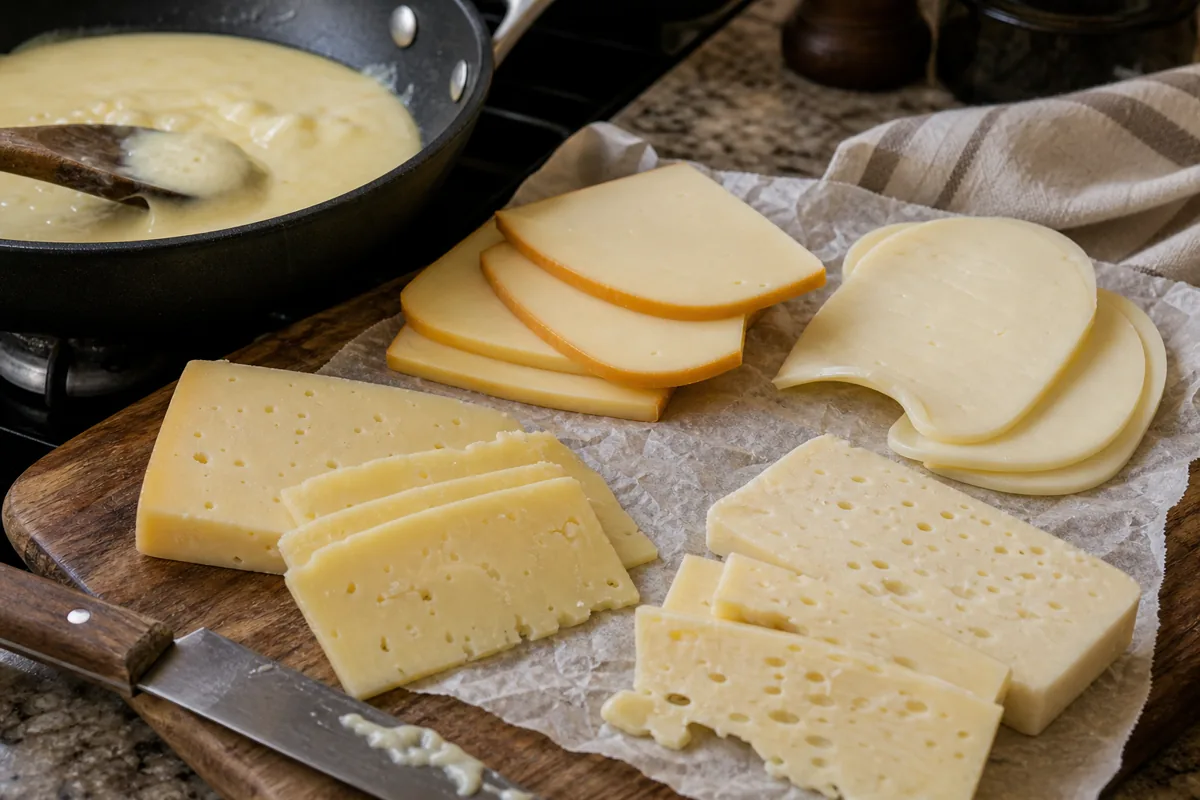
The specialty counter can make the decision noisier. Milder Levantine Ackawi leans toward soft salt, while Kasseri, a Greek elastic cooking cheese, melts more than Halloumi does.
Panela may grill gently, but it will not always give the same hard sear.
When the counter gets confusing, buy the predictable pan result. Paneer is not perfect, but it is easier to control than a rare cheese with unclear melt behavior.
How Do You Fix Salt, Moisture, and Timing Problems?
Most failed Halloumi swaps taste under-seasoned before they look wrong.
Halloumi arrives brined.
Paneer, tofu, and many frying cheeses do not. Season them before cooking or immediately after browning, then finish with lemon so the plate does not feel flat.
Moisture is the other failure point. Wet cheese steams before it browns, which gives you pale rubbery pieces instead of a crust.
Pat slices dry and give them space in the pan.
Timing decides whether the work survives the plate. Paneer gets dry, tofu toughens at the edges, and frying cheese can turn leathery, so plate the hot pieces last instead of letting them wait while you dress the salad.
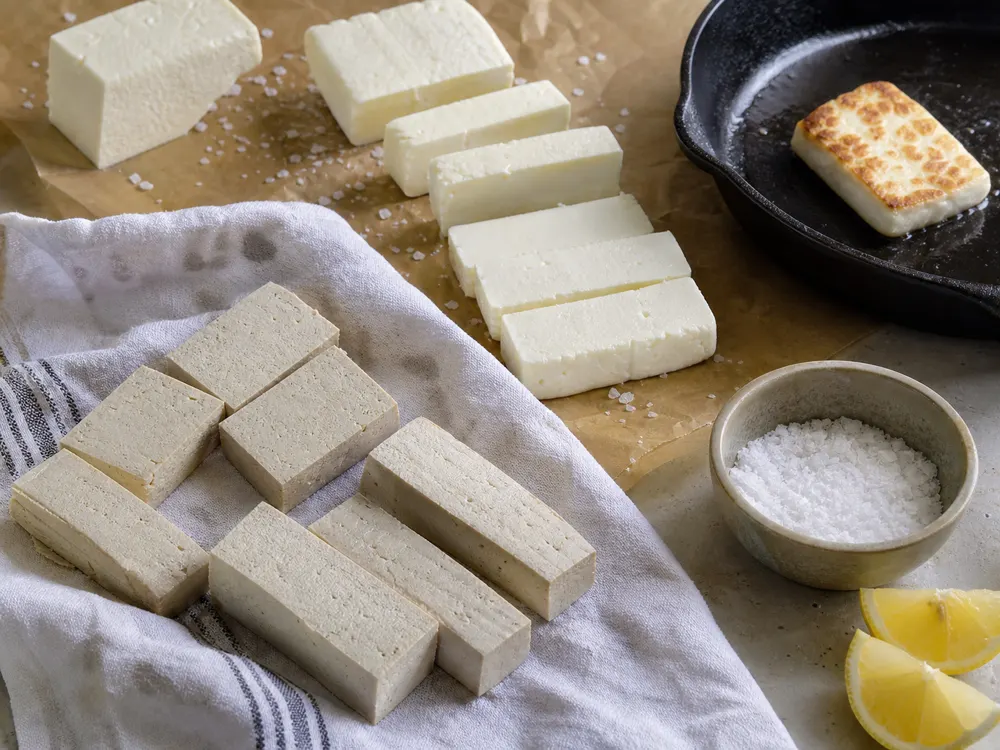
- Paneer: salt before searing, then finish with lemon or herbs.
- Tofu: press, salt, marinate, and sear harder than you would cheese.
- Queso de freir: use medium-high heat and pull it once the crust forms.
- Feta: use cold or gently warmed; do not expect it to grill.
Cook the substitute first and add it to salads or wraps at the end. Firm cheeses lose their best texture if they sit in dressing or steam inside a covered bowl.
For a two-meal plan, hold back the second portion before it ever hits air. Fresh blocks dry out fast after opening, so use fresh-cheese storage habits and keep the backup piece sealed until you are ready to cook.
When You Should Buy Real Halloumi
Some dishes are basically Halloumi delivery systems. A honey-drizzled Halloumi starter, a Cypriot-style grill plate, or a dish where squeak is the point will expose every substitute.
Use substitutes when Halloumi is one component inside a wrap, salad, bowl, skewer, or breakfast plate. In those dishes, the right texture plus smart seasoning matters more than exact identity.
Price follows the role. If Halloumi is the headline, the real block is usually worth the extra cost.
If the cheese is there to add browned protein and salty contrast, paneer or tofu can save the meal without pretending to be the same product.
Do not use mozzarella as a Halloumi substitute for grilling. It melts, stretches, sticks, and changes the whole recipe instead of staying in a firm salty slice.
For pregnancy or risk-sensitive meals, choose pasteurized products and cook substitutes thoroughly when appropriate. The broader cheese safety framework matters more than the substitute name alone.
SOURCES & REFERENCES
What Else Do People Ask About Halloumi Substitutes?
These are the practical questions that come up when a recipe calls for Halloumi and the store does not have it.
Paneer is the best widely available substitute when the recipe needs a cheese that holds shape in a hot pan. Bread cheese is closer for squeak, but it is harder to find.
Only when the dish needs salty crumble more than a firm slice. Feta softens and breaks under direct heat, so it does not replace Halloumi for grilling or skewers.
Paneer is closer for grilling and frying because it keeps its shape better. Queso fresco is better for mild crumble or gentle warm topping.
Pressed firm tofu is the best dairy-free option. It needs salt, marinade, and a hot pan because it does not bring Halloumi's brine or squeaky dairy texture.
No for grilling or frying, because mozzarella melts and stretches while Halloumi stays firm.
Use mozzarella only if the recipe actually wants melt.