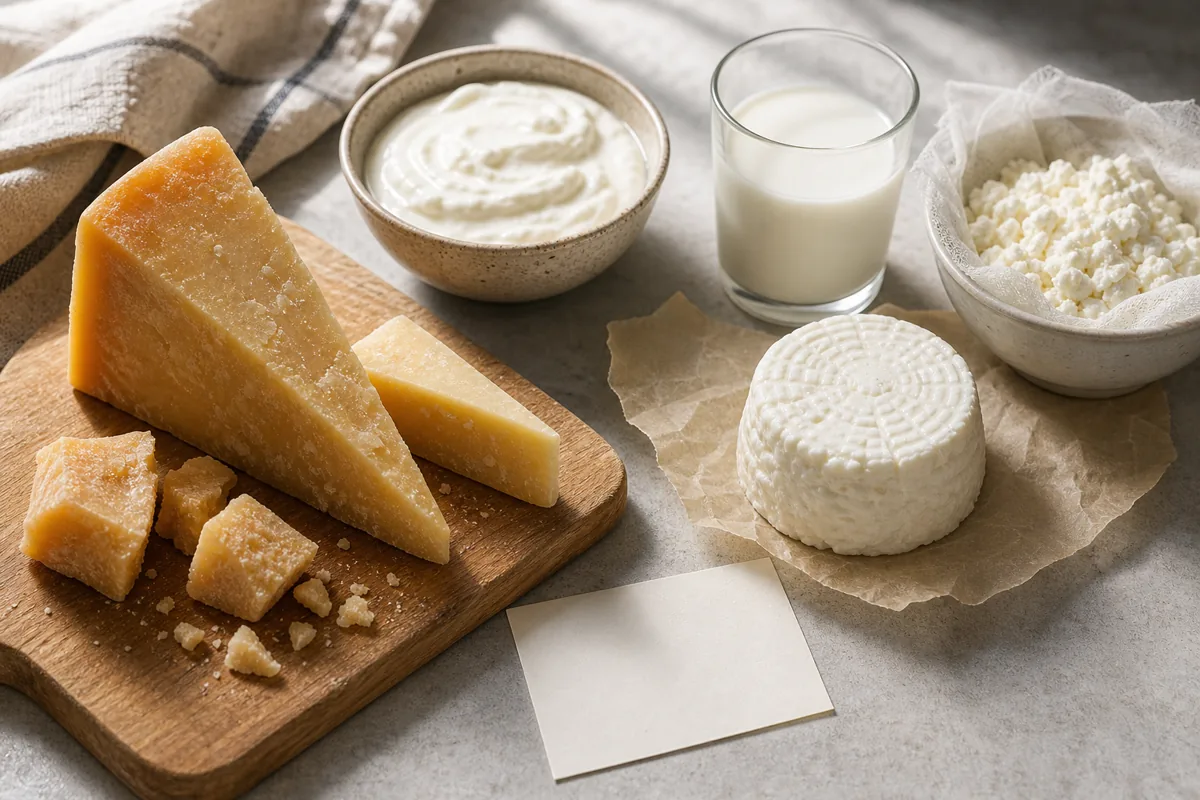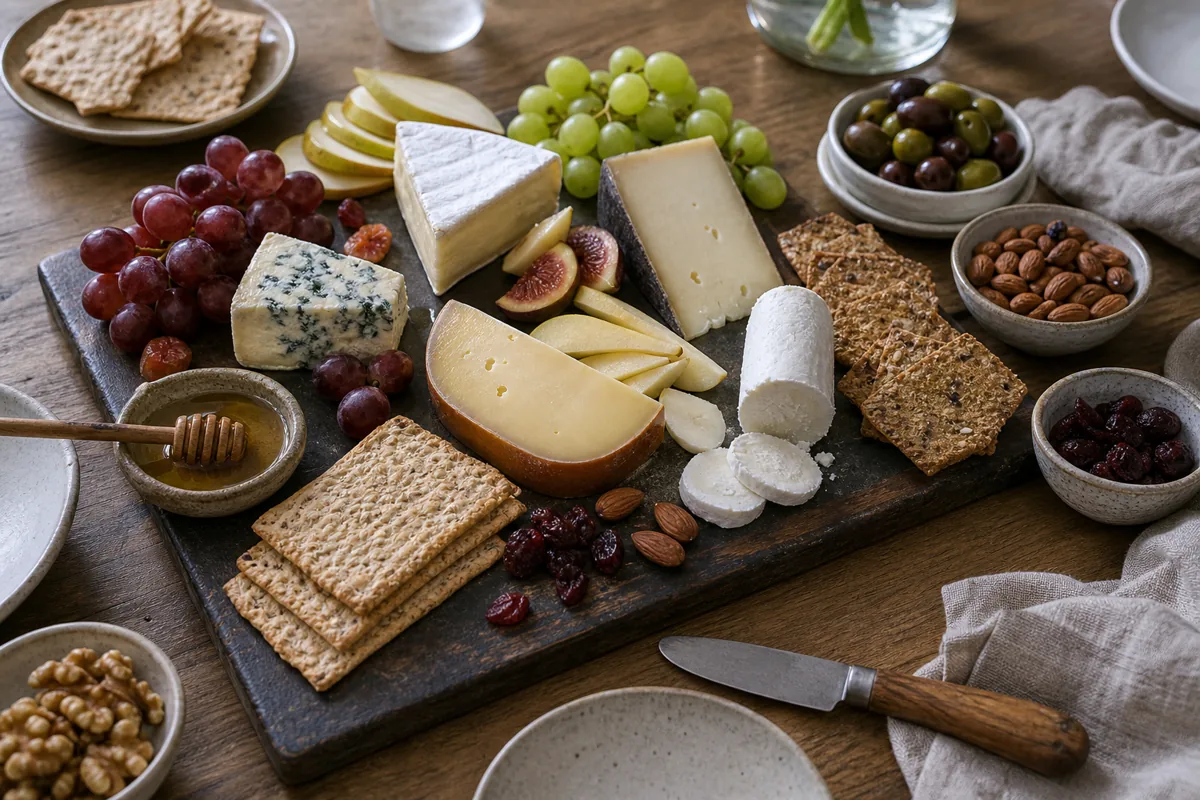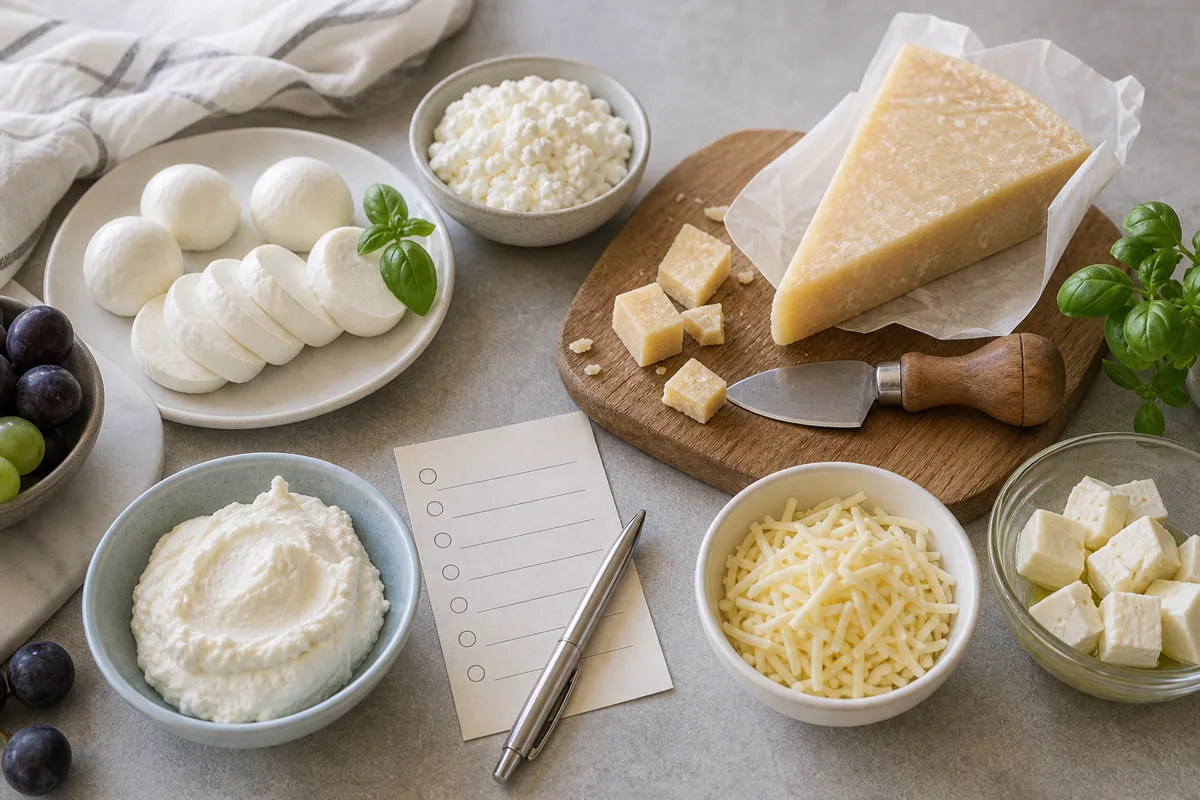
You do not need to avoid every cheese during pregnancy. Start with a named product whose milk treatment and storage instructions you can check, then decide whether you will eat it cold or cook it.
A pasteurized label is useful, but it does not settle every case. Brie, queso fresco-type cheeses and cheese sliced at a deli need more specific decisions.
This is general food-safety information. Follow any additional restrictions from your clinician, including advice for a particular medical condition.
In This Article
Which Cheeses Can You Eat Cold?
CDC lists pasteurized hard cheeses and named pasteurized soft cheeses as safer choices.
NHS also lists pasteurized semi-hard cheese and a wider set of named soft cheeses, so choose from the actual category rather than assuming that all soft cheese has the same answer.
| Cheese | U.S. CDC guidance | UK NHS guidance |
|---|---|---|
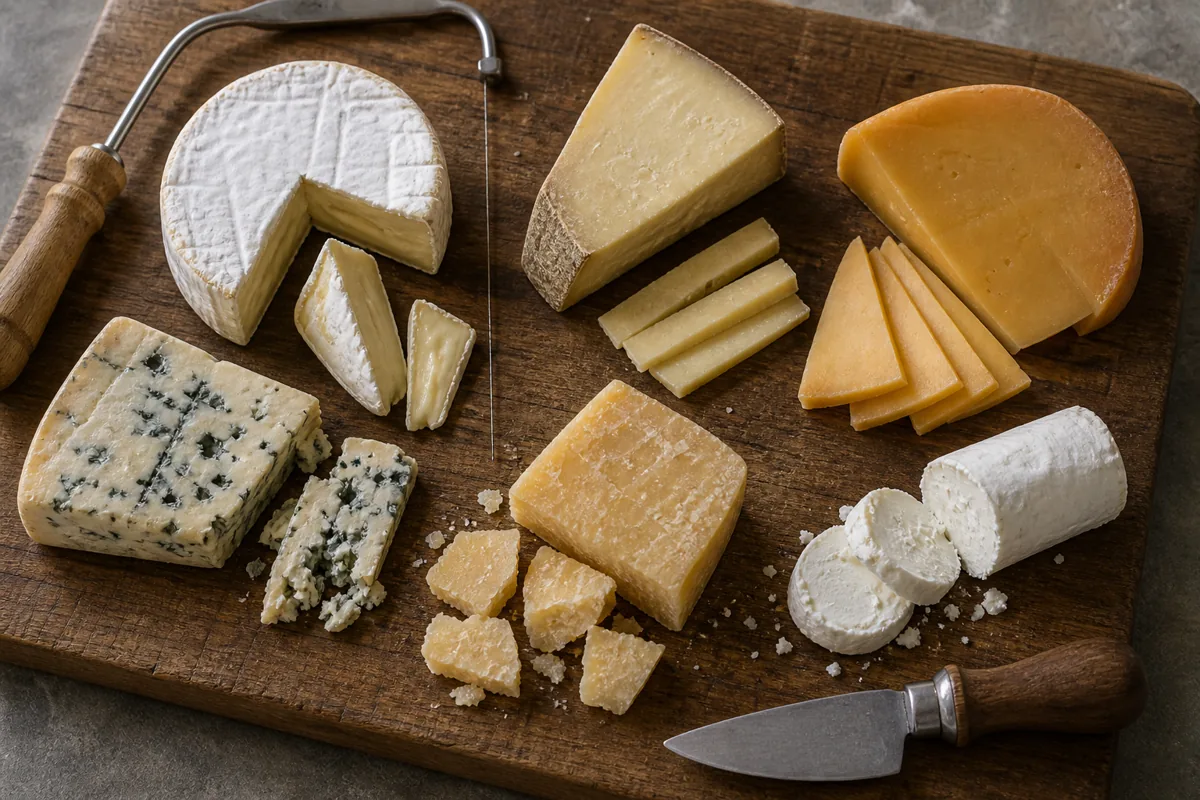
| Hard cheese such as Cheddar, Parmesan or Gruyere | Pasteurized hard cheese is listed as a safer choice. | Hard cheese made with raw or pasteurized milk is listed as safe to eat. |
| Mozzarella, cottage cheese, cream cheese and feta | Listed as safer choices when made with pasteurized milk. | Included among pasteurized soft cheeses that can be eaten. |
| Ricotta, mascarpone and rindless goat cheese | Not named in CDC's table. CDC lists pasteurized soft cheeses heated to an internal temperature of 165 F (74 C) or until steaming hot as safer, and eaten cold these are a type its list does not cover, so ask a midwife or doctor. | Named as choices when pasteurized. |
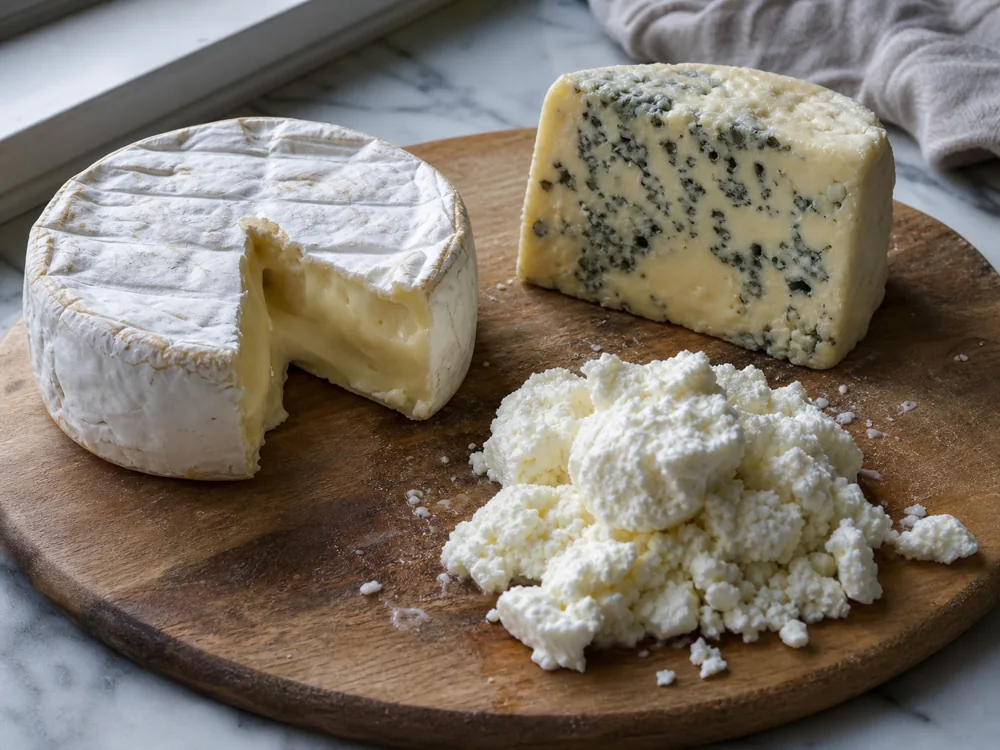
| Brie, Camembert and soft white-rind goat cheese | CDC lists soft cheese made from unpasteurized (raw) milk, such as brie and camembert, as riskier. For a pasteurized cheese, use the heated pasteurized-soft-cheese option below. | Must be thoroughly cooked, whether made with raw or pasteurized milk. |
| Soft blue cheese | CDC lists soft cheese made from unpasteurized (raw) milk, including blue-veined cheese, as riskier. For a pasteurized cheese, use the heated pasteurized-soft-cheese option. | Must be thoroughly cooked, including pasteurized versions. |
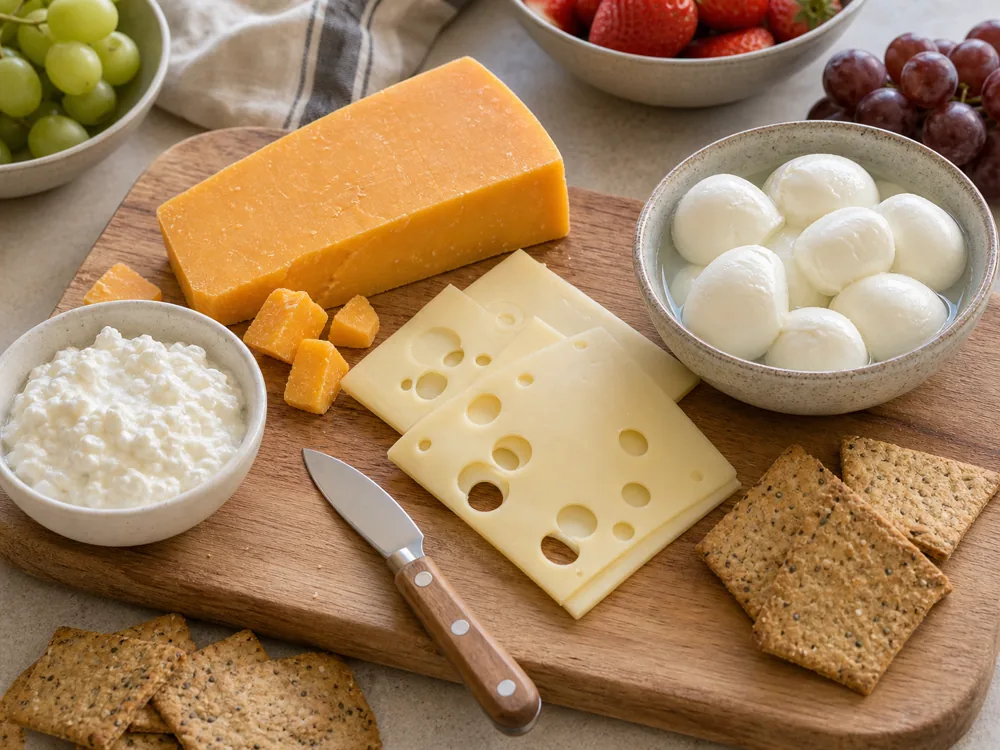
The difference for raw-milk hard cheese is real: NHS includes it, while CDC's safer-choice entry specifies pasteurized milk. A packaged pasteurized hard cheese fits both lists without relying on that difference.
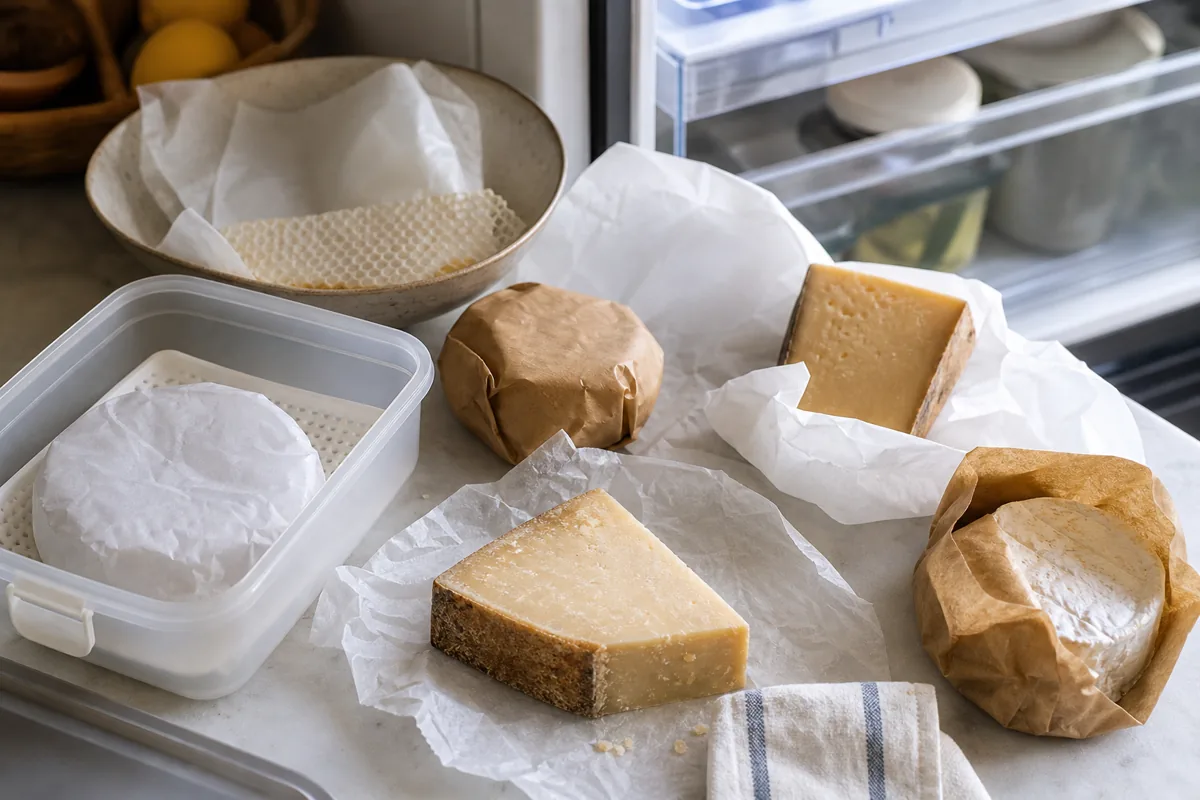
Keep these cheeses refrigerated and follow the pack's use-by and after-opening instructions.
A listed cheese is not protected from contamination or poor storage simply because its type appears in the table.
When Do Brie and Blue Cheese Need Cooking?
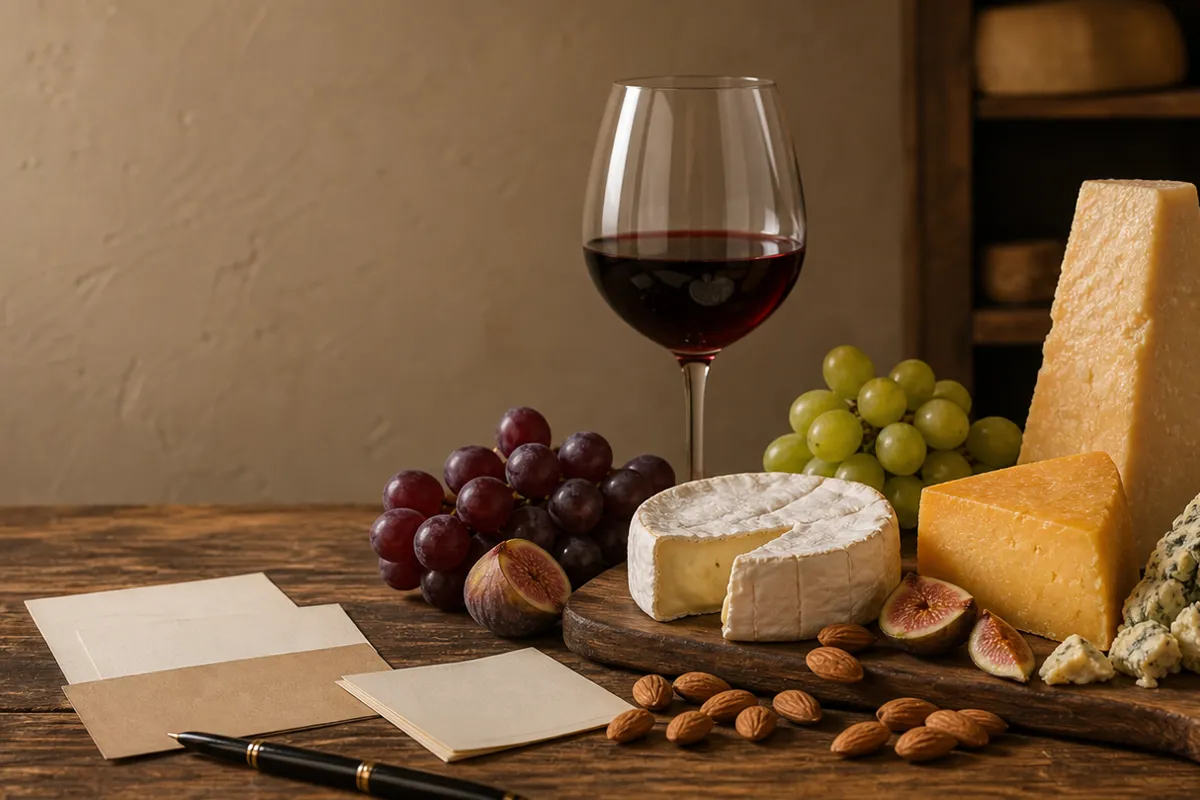
For Brie, a pasteurized label does not replace heating. CDC lists pasteurized soft cheese heated to an internal temperature of 165 F (74 C), or until steaming hot, as a safer choice.
NHS requires white-rind soft cheeses such as Brie and Camembert, and soft blue cheeses such as Gorgonzola, to be cooked until steaming hot throughout. That condition applies to both raw-milk and pasteurized versions.
A melted surface or softened center is not enough to establish that condition. Check the middle of the dish, and use a food thermometer when working to the CDC temperature.
Removing the rind does not replace thorough cooking. Neither does putting cold cheese on top of a hot dish just before serving.
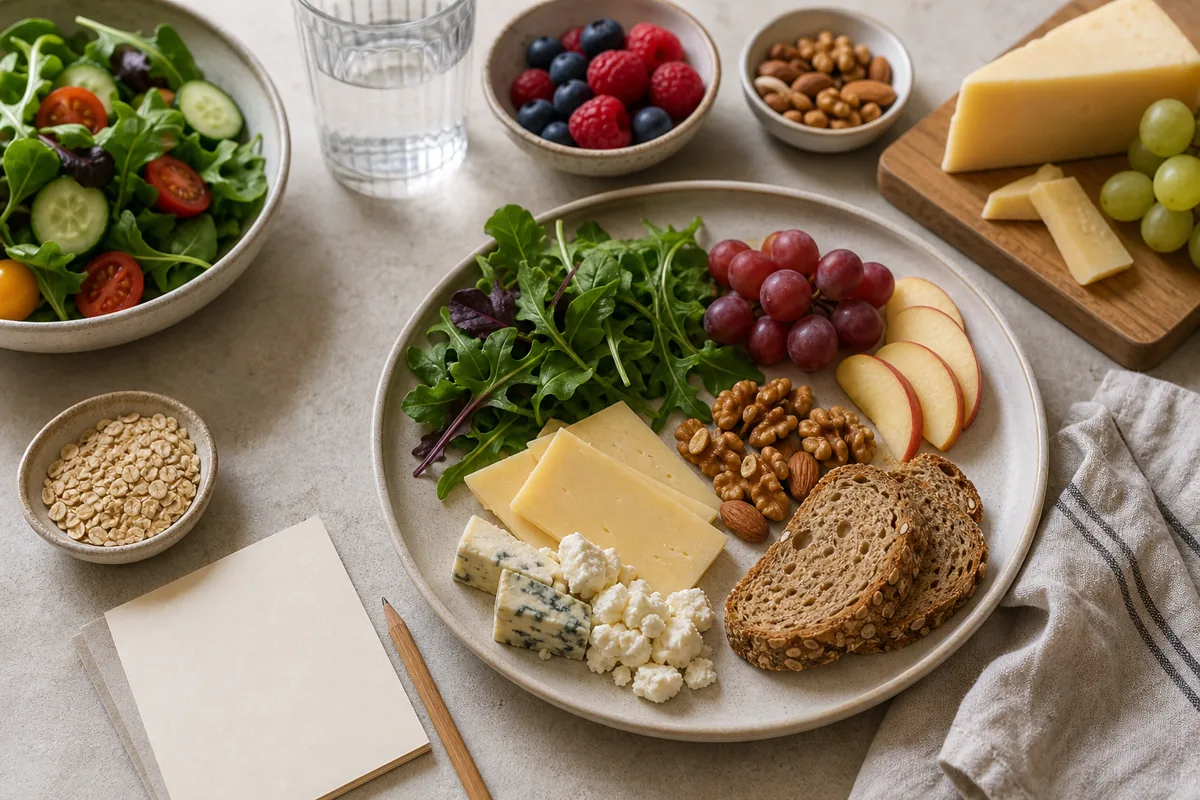
For a cold salad, pasteurized mozzarella or feta offers a simpler choice than a white-rind wedge. These alternatives change the flavor and texture, but avoid trying to give a cold Brie serving a cooked-cheese exception.
What About Queso Fresco and Deli-Sliced Cheese?
CDC identifies any queso fresco-type cheese as a riskier choice, including products made with pasteurized milk. This group includes queso fresco, queso blanco and requeson, so the milk statement alone is not enough.
FDA also advises pregnant people and other higher-risk groups to avoid these cheeses.
For a cold crumble, choose a clearly labeled pasteurized feta rather than assuming that all fresh white cheeses are interchangeable for food safety.
Cheese sliced at a deli has a separate handling issue. CDC places unheated deli-sliced cheese in its riskier column and advises heating it to 165 F or until steaming hot.
That means switching to a hard cheese at the same deli does not, by itself, resolve the advice.
A factory-packaged pasteurized block gives you a label to check and avoids that particular slicing step.
How Do You Choose at a Restaurant or Party?
A menu that says only "goat cheese" leaves out a decisive detail: it could be a fresh rindless cheese or a soft cheese with a white rind.
Ask for the cheese type and whether it is pasteurized, then check how it is served.
- Cold dish: choose a named cheese that fits the agency guidance you follow.
- Cooked dish: ask whether the cheese is heated throughout or added cold afterward.
- Deli slices: account for the heating advice even if the base cheese is hard.
- Unclear answer: choose another dish rather than guessing from a broad cheese name.
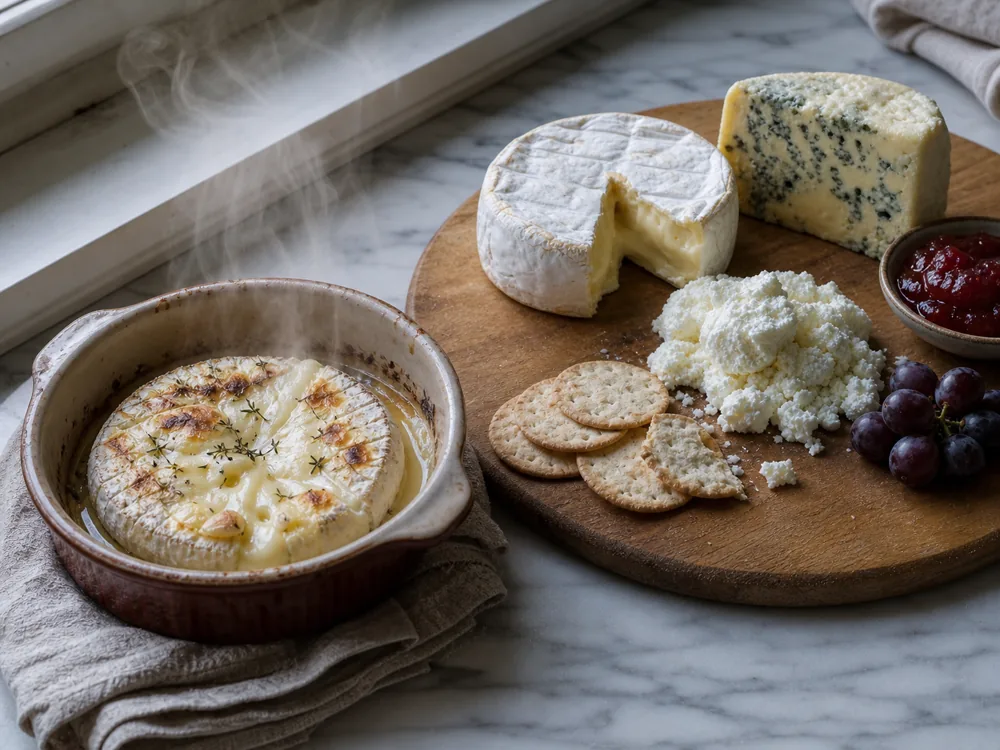
At a buffet, storage and serving time matter as well as the recipe. Cooking does not rescue cheese that has already exceeded its safe time out of refrigeration.
A baked dish that has cooled on a buffet is not equivalent to one served hot immediately after thorough cooking.
Choose food whose preparation and handling can be checked.
How Can You Keep the Choice Simple at Home?
Keep a few clearly labeled products you regularly use, such as a pasteurized hard block, mozzarella or cottage cheese. Retain the packaging so another person preparing your food can check the milk and storage instructions too.
Use a clean utensil and put the remaining cheese back in the fridge promptly.
A different brand or format may have different instructions, even when the cheese name is familiar.
If you have already eaten a cheese you are worried about, contact your clinician for advice rather than using this list to diagnose an infection. NHS advises seeking help if you feel unwell after eating something that should be avoided during pregnancy.